
Human Needs for Fresh Water
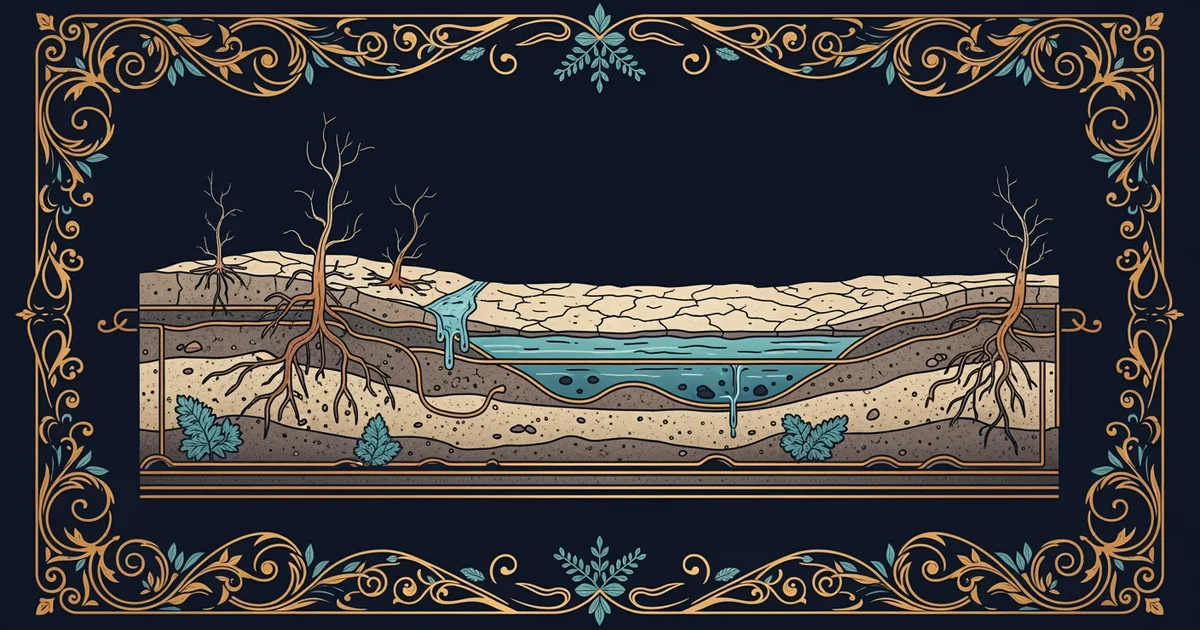
Imagine turning on your kitchen faucet and finding that the water simply stops flowing forever. This scenario highlights how our daily survival depends on a hidden, finite supply of water deep underground.
The Heavy Demands on Fresh Water
When we look at how humans use fresh water, we must first recognize that our needs are vast and diverse. Most people assume that household use, like showering or washing dishes, accounts for the largest share of global water consumption. In reality, the vast majority of extracted water goes toward sustaining our industrial and agricultural systems. Think of our global water supply like a bank account with a limited balance that we withdraw from every single day. If we withdraw funds faster than the account can replenish itself, we eventually face a deficit that threatens our long-term stability. This economic analogy helps explain why we must track how much water we pull from underground sources for our daily needs.
Key term: Fresh water — the naturally occurring water on Earth's surface or in ice sheets that contains low concentrations of dissolved salts.
Agriculture remains the single largest consumer of water across the entire planet today. Farmers rely on irrigation to grow the crops that feed billions of people in every corner of the globe. Without these consistent irrigation practices, many regions would struggle to produce enough food to support their local populations. Beyond farming, industrial sectors require massive amounts of water to cool machinery and process raw materials into finished goods. These two sectors combined create a heavy burden on our natural water cycles and our underground reserves. Every product we buy, from a cotton shirt to a loaf of bread, carries a hidden cost in water volume.
Categorizing Human Water Use
To better understand our impact, we can group these activities into three main categories that demand the most water. Each category serves a vital role in keeping our modern society functioning smoothly while placing unique pressures on our limited environmental resources.
- Agricultural irrigation serves as the primary driver of water demand because crops require constant hydration to reach maturity during growing seasons.
- Industrial manufacturing consumes significant water volumes to keep factory equipment cool and to process chemicals used in creating consumer goods.
- Municipal supply systems deliver the water that cities and towns need for drinking, sanitation, and maintaining public green spaces for residents.
These three categories represent the primary ways we interact with water reserves on a daily basis. When we balance these needs, we often prioritize human survival and economic growth over the natural recharge rates of underground aquifers. This tension creates a difficult challenge for planners who must ensure that enough water remains for future generations. If we continue to draw from these sources without considering the long-term consequences, we risk exhausting the very foundation of our food security. Understanding these sectors is the first step toward managing our water usage more effectively and ensuring that we do not deplete these critical hidden supplies. Every gallon saved in one sector helps preserve the overall health of our shared water resources for the years ahead.
Humanity must balance the massive water demands of agriculture and industry with the natural limits of our underground water supplies to ensure future stability.
Next, we will explore how we measure the speed at which underground aquifers naturally refill their water levels.