
Future Global Stewardship
Imagine a vast, complex machine that maintains the air you breathe and the water you drink. If you remove just one small gear from this machine, the entire system might eventually grind to a halt. Protecting biodiversity is not merely about saving specific species that look nice in pictures. It is about maintaining the functional gears of our planet to ensure long-term stability for everyone. We must transition from passive observation to active, intentional of our natural world. This shift requires us to treat nature as a critical asset rather than an infinite supply of free resources.
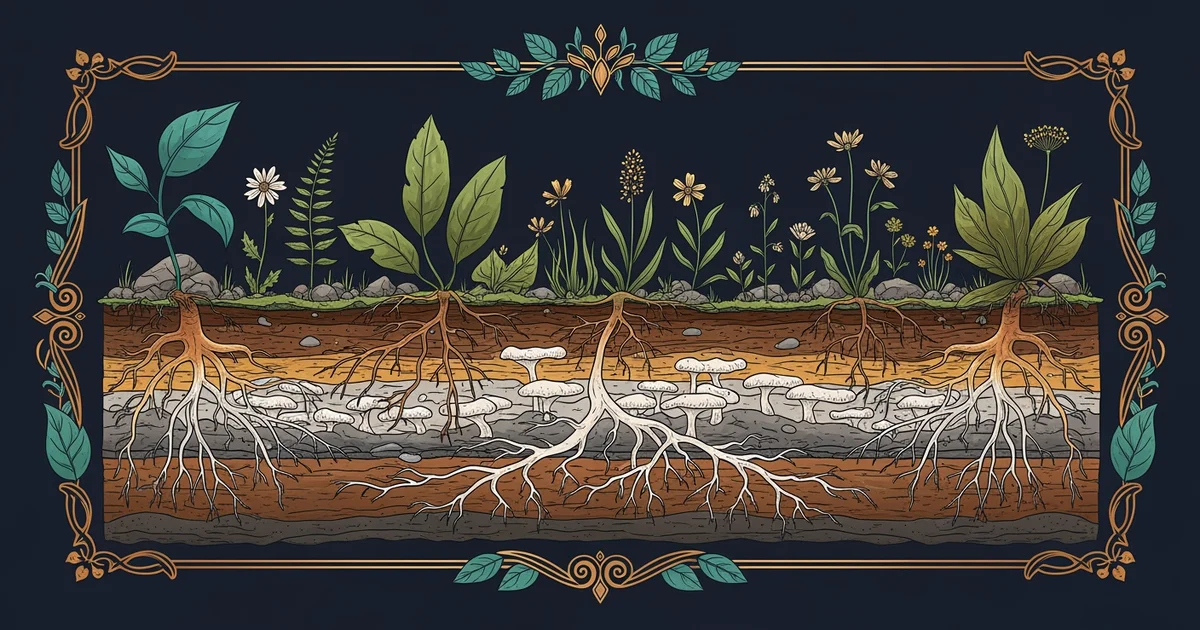
Designing Effective Conservation Strategies
Developing long-term strategies for conservation requires moving beyond simple protection of land and water areas. We must focus on to allow species to migrate as climate conditions change over time. Think of this like a highway system for wildlife; if the roads are blocked or broken, the travelers cannot reach the resources they need to survive. By creating corridors between protected zones, we provide animals with the flexibility to adapt to shifting environments. This proactive approach prevents isolated pockets of life from dying out when local conditions become too harsh for them to persist.
**Systemic Thinking:** Effective stewardship views ecosystems as interconnected networks where human actions ripple across vast distances and timeframes.
Implementing Personal Action Plans
Moving from theory to practice starts with individual choices that contribute to larger global conservation goals. You can contribute by auditing your own consumption patterns to see how they impact distant habitats and biodiversity levels. Reducing waste and choosing products with sustainable origins helps lower the pressure on fragile ecosystems across the globe. We should also consider how our local landscape choices influence the wider health of the regional environment around us. Small changes in how we manage our own backyards can provide essential stepping stones for local pollinators and birds.
To build a personal conservation action plan, you should follow a structured approach that emphasizes measurable outcomes for your local area:
- Identify one specific local ecosystem service, such as water filtration or pollination, that is currently under stress.
- Research the primary threats to that service, focusing on habitat loss or invasive species that disrupt natural cycles.
- Create a timeline for implementing restorative actions, such as planting native flora or reducing chemical runoff in your area.
- Monitor the health of that site over several months to see if native biodiversity begins to recover as expected.
Integrating Science and Policy
Successful stewardship relies on the bridge between scientific research and the policies that govern our land use. Data from field studies must inform how we zone land for development and how we protect sensitive wilderness areas. When we use evidence to guide our decisions, we minimize the risk of accidental harm to the natural services we rely upon daily. This integration ensures that our economic goals do not conflict with the biological necessities that underpin all human prosperity. We must prioritize long-term ecological health over the short-term gains that often lead to environmental degradation.
| Strategy Type | Focus Area | Expected Outcome |
|---|---|---|
| Connectivity | Habitat links | Increased migration |
| Restoration | Damaged sites | Recovered services |
| Monitoring | Data trends | Informed decisions |
By comparing these strategies, we can see that each serves a unique role in maintaining global stability. Connectivity prevents isolation, restoration heals past damage, and monitoring provides the feedback loop needed for future success. We need all three working in tandem to ensure that our planet remains a functional system for future generations. This balanced approach creates a resilient framework that can withstand the various pressures of a changing world. We are the architects of our own future, and our choices today define the quality of the world we will inhabit tomorrow.
Future global stewardship requires shifting from reactive preservation to a proactive, integrated management of our planet's interconnected life support systems.
Our next step involves exploring how these strategies adapt to the evolving challenges of a rapidly changing climate.