
Regulating Services
Imagine setting your home thermostat to keep a perfectly comfortable temperature throughout the entire year. You depend on that hidden machine to prevent extreme heat or cold from ruining your day.
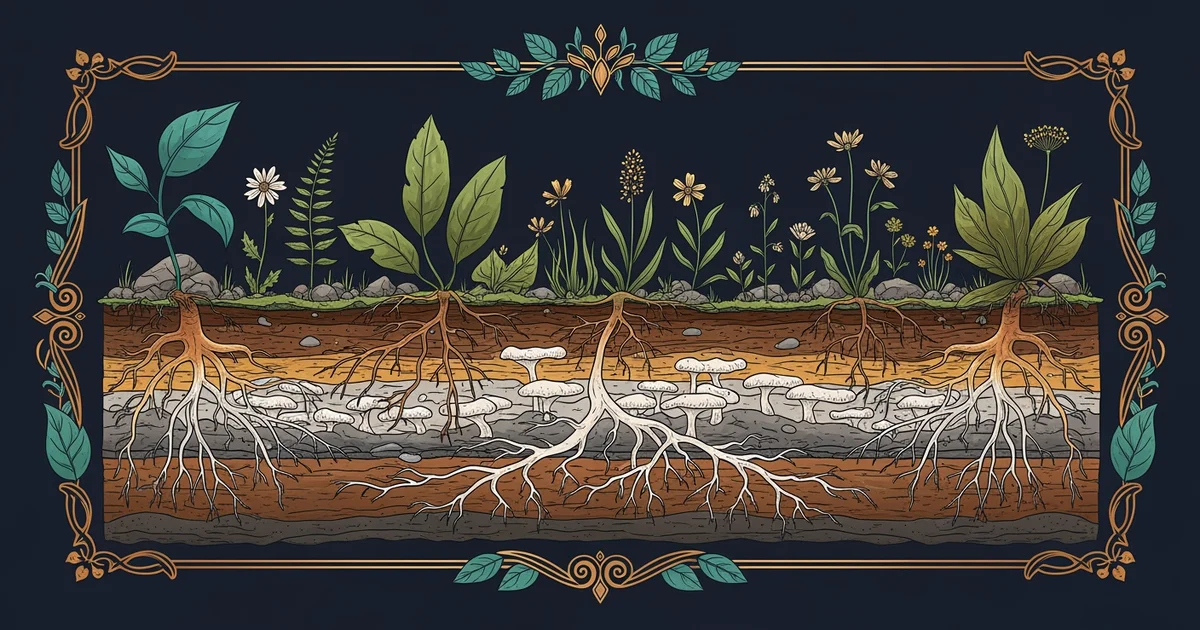
The Earth's Natural Thermostat
Nature runs a similar background system to keep conditions stable across the entire planet. These hidden processes are known as regulating services, and they keep our ecosystems working properly. Without these vital tools, the planet would quickly become hostile to human life and wild animals. Think of these services as essential public utilities of the natural world. Just like a modern city needs water plants, the wild environment needs living filtration systems. When these green utilities operate well, we rarely notice the massive amount of work they do. However, when these natural systems fail, the resulting environmental disasters become impossible to ignore.
Key term: Regulating services — the natural processes that control environmental conditions and maintain ecological balance.
How Forests Regulate the Climate
One of the most critical regulating services involves controlling the global climate through forest growth. Trees act as massive living filters that constantly remove greenhouse gases from the air. This vital process is called carbon sequestration, and it prevents excessive atmospheric warming over time. Growing forests absorb carbon dioxide and transform it into solid wood. By locking this carbon inside their trunks, trees prevent it from trapping solar heat overhead. Forests also manage local weather patterns through a continuous moisture release process known as transpiration. Leaves release water vapor into the air, which eventually forms clouds and generates necessary rainfall. Without large forest networks, many fertile farming regions would quickly transform into dry desert landscapes.
Natural Infrastructure and Economic Value
Imagine a local government deciding whether to build an expensive concrete plant for flood control. Engineers could construct massive artificial dams to hold back heavy rainwater during severe seasonal storms. Alternatively, the town council could simply protect an existing wetland area located near the river. Healthy wetlands function like enormous living sponges that absorb excess rainfall during extreme weather events. These habitats release stored water slowly, which prevents devastating downstream flooding entirely. Saving the natural wetland provides the exact same infrastructure benefit without the massive building costs. This economic fact shows why protecting green systems is often cheaper than replacing their functions.
These natural zones give us specific benefits that directly help human communities and agricultural farms thrive. Understanding these natural gifts helps environmental scientists measure the true economic worth of wild habitats. Destroying these vital places completely eliminates the invisible services they provide for us for free. Replacing natural functions with human technology requires huge financial investments and constant mechanical upkeep. Therefore, conservation groups focus heavily on saving these living systems to ensure long-term human survival. The following table shows how various wild places perform crucial maintenance tasks for planet Earth.
| Ecosystem Type | Regulating Service | Mechanism of Action | Primary Human Benefit |
|---|---|---|---|
| Dense Forests | Climate stabilization | Capturing atmospheric carbon dioxide | Prevents extreme global warming |
| Coastal Wetlands | Flood mitigation | Absorbing massive storm surges | Protects vulnerable coastal cities |
| Native Grasslands | Soil preservation | Anchoring dirt with deep roots | Sustains productive agricultural farming |
The Invisible Foundation of Survival
We often take these incredible natural processes for granted because they operate silently behind the scenes. Every breath of clean air depends entirely on these continuous biological cycles. When human expansion removes too many forests, the planet loses its main method of temperature control. Without healthy wetlands to absorb heavy rain, coastal towns face increasingly destructive seasonal storm damage. Recognizing the immense value of regulating services changes how we approach modern conservation strategies. We must protect wild nature as essential infrastructure rather than just a simple physical resource. Maintaining our planet's biological thermostat ensures that future generations will inherit a stable and safe world.
Regulating services are the hidden biological processes that maintain stable climates and protect human infrastructure.
While these systems manage the broader environment, other natural processes focus directly on providing our food.