
Cultural Ecosystem Benefits
Think of walking through a quiet city park after a bad week of hard tests. The fast feeling of deep relief you get is an unseen but key natural resource.
Defining the Unseen Gifts
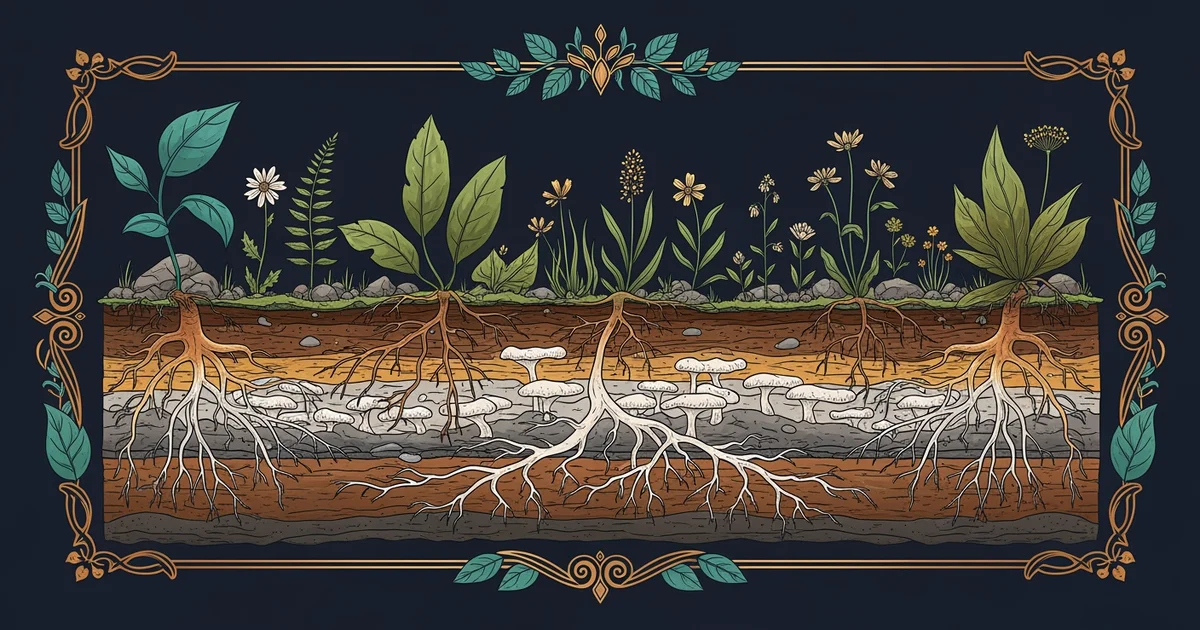
Nature gives us clear physical goods like fresh water, wood, and clean air to live. But wild places also hand out hidden perks that directly boost our minds and moods. Experts call these unseen gifts cultural ecosystem services, which mean the non-physical worth of nature. Unlike cutting down a tall forest for wood, these perks need the whole system kept safe. We cannot easily weigh or count these unseen rewards, but they stay completely vital for us. These support systems keep human towns feeling grounded in their local living environments.
Key term: Intangible value — a good thing that you cannot physically touch or easily count.
Think of a wild place like a free local museum or an open art space. You do not visit a museum to take building parts or gather real daily food. Instead, you walk the halls to find bright ideas, learn history, and clear your mind. The worth comes fully from feeling the space rather than taking its raw physical goods. If someone smashed the museum to sell bricks, the town would lose huge cultural wealth. Similarly, paving over a local field wrecks a truly vital source of shared town joy.
The Four Pillars of Cultural Worth
Green experts split these non-physical perks into four clear groups to help guide saving efforts. Knowing these exact groups helps city planners make better choices about guarding local green spaces. When towns see these mixed perks, they fight harder to save their wild surrounding zones. Each group meets a unique human need that fake places simply cannot fix or replace. By sorting these ideas, smart thinkers can truly argue for the cash worth of wild nature. Protecting these diverse benefits ensures that future generations can still enjoy a high quality life.
- Recreation gives real spaces for hiking, swimming, and playing sports that keep our bodies strong.
- Aesthetic value names the deep visual joy we get from looking at pretty natural scenes.
- Spiritual meaning links specific places to old traditions, sacred events, and deep personal life views.
- Teaching inspiration offers living labs where students and scientists can study complex plant links directly.
Let us look closely at the visual worth of local parks inside busy city zones. When city planners map out living blocks, they must add green spaces to break up concrete. Looking at tall trees and real water shapes actively drops human blood pressure and stops fear. This visual beauty is not just a rare treat; it is a core need for health. People naturally walk toward pretty places because our human brains grew to seek out thriving green systems.
Measuring the Hard to Count
Judging the true worth of these cultural perks presents a massive test for modern money experts. Because nobody pays an entry fee for a sunset, normal cash models often ignore it completely. However, smart researchers now use clever ways to count how much these natural events are worth. They also study house prices, noting that homes near pretty parks always sell for much more. These cash numbers finally give cultural ecosystem perks a strong voice in major big political choices.
| Benefit Type | Human Experience | Economic Indicator |
|---|---|---|
| Recreation | Hiking and sports | Cash spent on outdoor gear |
| Aesthetic | Enjoying pretty views | Higher local house market values |
| Educational | School field trips | Funding for green science research |
Guarding our wild landscapes asks us to look far beyond simple physical goods like cut wood. We must actively defend the spaces that hand us deep joy, peace, and shared cultural roots. Future children deserve the chance to feel the deep spark that only wild nature can provide. By praising these unseen gifts today, we ensure healthier and happier human towns for our tomorrow. Knowing cultural ecosystem services completely shifts how we treat our shared global home on this planet.
Cultural ecosystem benefits provide essential mental, emotional, and social value that keeping nature intact freely offers.
Now that we understand these unseen benefits, we must explore how humans actively manage these landscapes.