
Defining Our Natural Capital
Understanding Our Natural Capital
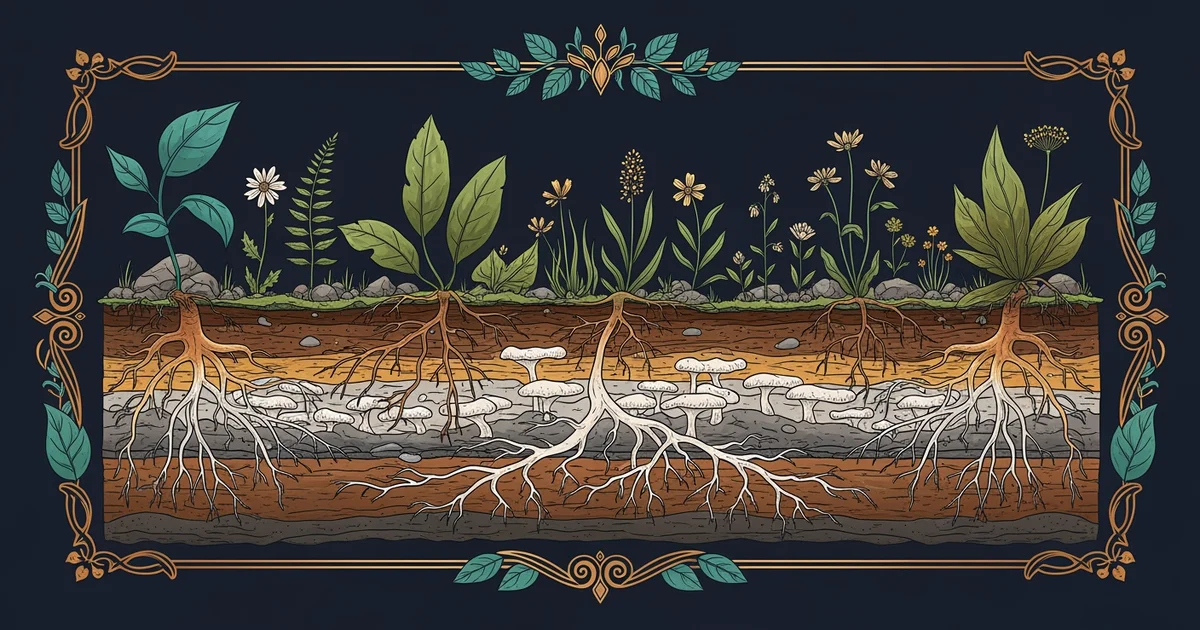
When we look at the world, we often see individual parts. We see forests, rivers, and fields as separate things. Scientists view these areas as integrated systems called ecosystems. These systems provide services that support all human life. We call these benefits ecosystem services. They include clean water, fertile soil, and climate control. Without these services, modern society would struggle to function. We must learn to value these natural gifts properly. Understanding our natural capital is the first step toward true global sustainability.
The Four Pillars of Service
Nature provides four distinct categories of benefits to humanity. Provisioning services include food, water, and raw materials like timber. Regulating services control the climate, floods, and disease outbreaks. Cultural services provide recreation, education, and spiritual enrichment for everyone. Supporting services include the basic processes like nutrient cycling. These processes make all other services possible over time. Each category relies on healthy biological systems to work correctly. If one pillar fails, the entire system might collapse quickly.
Biodiversity and Ecosystem Health
Biodiversity describes the variety of life on our planet. It includes variety within species and between different species. High biodiversity creates a buffer against environmental changes. Diverse systems recover faster after natural disasters occur. A single crop field is vulnerable to many pests. A diverse forest resists disease through natural variety. We must preserve this variety to ensure future stability. Every species plays a specific role in the web. Losing one species can trigger a collapse of others.
Measuring Natural Value
Economists have started to put prices on nature. They calculate the cost of replacing natural services. For example, bees provide free pollination for our crops. If bees vanished, we would need expensive machines. This replacement cost shows the true value of nature. We often ignore these costs in our current markets. This omission leads to the destruction of vital habitats. By pricing these services, we can make better decisions. Smart policy relies on accurate data about our resources.
The Role of Human Impact
Humans change ecosystems through farming, building, and industry. These actions often reduce the capacity of nature. We create pollution that harms the soil and water. We also clear land for homes and new roads. These actions disrupt the flow of essential services. We must find a balance between growth and health. Conservation does not mean stopping all human progress today. It means using resources in a way that lasts. We can design cities that work with nature instead. This approach helps us thrive while keeping nature strong.
Building a Sustainable Future
We need to change how we view our resources. Nature is not just a collection of supplies. It is a complex machine that sustains our life. We must protect the systems that clean our air. We must save the forests that store our carbon. Every action we take impacts the global ecosystem balance. Education helps us make choices that protect our future. We can support local farms that use healthy methods. We can also advocate for policies that save habitats. Together, we can build a world that stays vibrant. The time to act is now for our planet.