
Sustainability Integration Models
Imagine you are designing a city where every building functions like a living leaf, absorbing sunlight to power lights while cleaning the air for everyone nearby. This vision moves beyond simple conservation, shifting our focus toward active integration models that treat human development as a partner to natural systems. By aligning our urban growth with patterns, we transform concrete jungles into functional extensions of the local environment. This approach recognizes that human health relies on the same biological foundations as a wild forest.
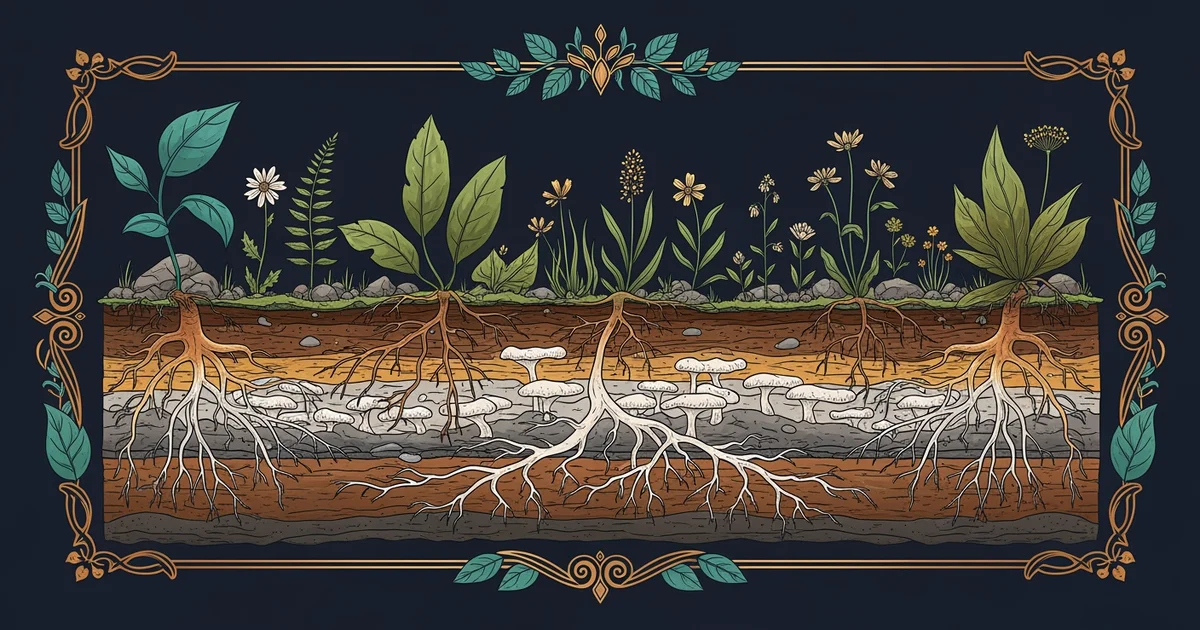
Designing for Ecological Synergy
Urban planning often treats nature as a decoration, but true integration treats it as essential infrastructure. Think of this like a household budget where you cannot spend more than you earn without going bankrupt. In this analogy, nature provides the income of clean water, fresh air, and stable temperatures, while our cities represent the spending. If we build structures that mimic natural processes, such as using permeable pavement to recharge groundwater instead of just draining it, we reduce the stress on our natural capital. This creates a feedback loop where the city actually improves the surrounding habitat rather than just consuming its resources.
Focus on regenerative design principles.
Instead of aiming for zero impact, strive to create systems that actively restore the local environment through every development phase.
Implementing Integrated Development Strategies
To successfully merge human goals with ecological health, planners use specific frameworks that balance growth with conservation requirements. These models prioritize connectivity, ensuring that wildlife corridors remain intact even as we expand our infrastructure for transportation and housing. By mapping these pathways early, we prevent the fragmentation of habitats that often leads to the loss of native species. This proactive planning allows human communities to thrive while maintaining the essential services provided by the local ecosystem. The following table highlights common strategies used to bridge this gap:
| Strategy | Focus Area | Expected Benefit |
|---|---|---|
| Green Roofs | Heat Reduction | Lower energy use |
| Bio-swales | Water Quality | Natural filtration |
| Urban Forests | Air Quality | Carbon absorption |
The Role of Resilience in Planning
Building a sustainable future requires acknowledging that environments change and human needs evolve over time. A resilient city is one that can withstand unexpected pressures, such as extreme weather or population shifts, without collapsing. We achieve this by building redundancy into our systems, much like a forest keeps multiple species performing similar functions to ensure stability. If one plant type fails during a drought, others remain to hold the soil and cycle nutrients. When we apply this logic to city planning, we create a robust network of green spaces that keep the community functional during times of stress.
Scaling Solutions for Global Impact
Scaling these local successes to a regional or global level requires consistent policy and shared development goals. We must move away from isolated projects and toward interconnected networks that span across city and country borders. This shift ensures that individual efforts contribute to a larger, more stable global ecosystem that supports human life long-term. By viewing our development goals through an ecological lens, we ensure that the progress we make today does not rob the future of its natural wealth. This transition marks the final step in moving from mere survival to true, lasting harmony with the planet.
Integrating human development with ecological health requires treating natural systems as essential infrastructure rather than mere background scenery for our cities.
Understanding how these models function prepares us to explore the future of environmental stewardship and global policy coordination.