
Future Sustainability
Imagine you are holding a fragile glass globe that contains every drop of water and breath of air you will ever need. If you crack the surface of this globe, the precious contents leak out and vanish into the cold void of space forever. This is exactly how the Earth functions as a closed system for all living beings. We must treat our planet like a limited bank account where every withdrawal requires a deposit to maintain a healthy balance. Our past actions often depleted these natural reserves, but we now understand how to invest in a future that lasts for generations.
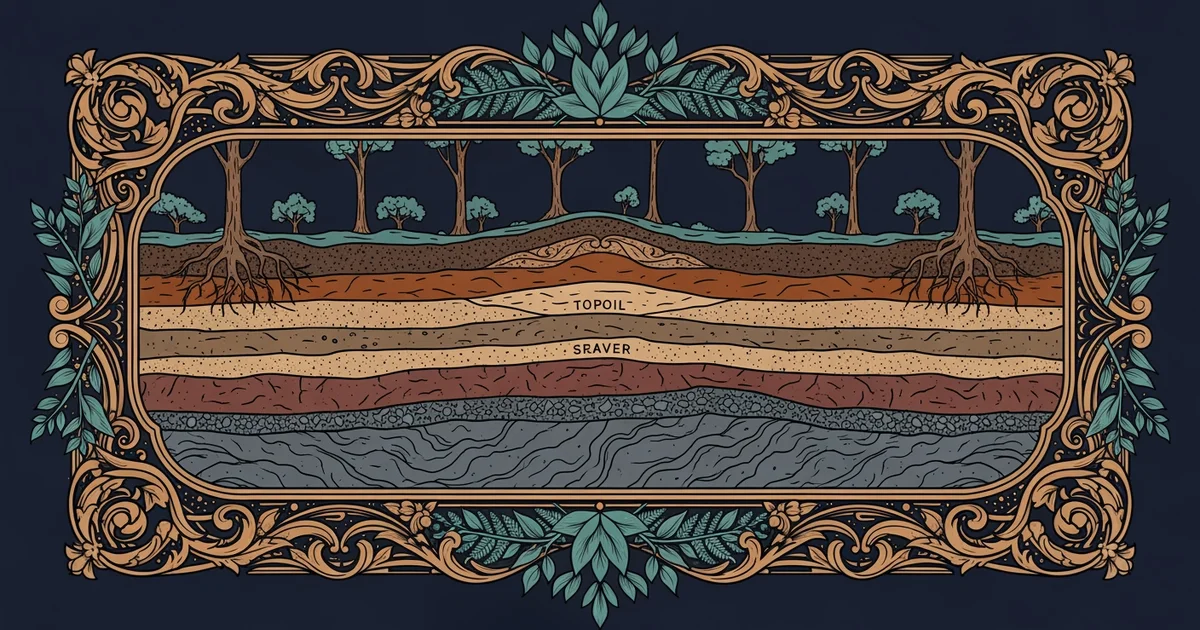
Designing Sustainable Land Systems
To build a sustainable future, we must first recognize that the thin layer of life-sustaining earth beneath our feet acts as a giant sponge for the global climate. This layer, known as the Critical Zone, regulates the water supply by filtering rain and storing carbon deep within the soil. When we manage land poorly, we destroy the natural feedback loops that keep our atmosphere stable and our water clean. Think of the Earth like a complex machine where every gear depends on the others to keep the system running smoothly. If we remove one gear, the entire mechanism eventually grinds to a halt, leaving us without the essential services we need to survive.
Key term: Critical Zone — the thin, porous outer layer of the Earth that extends from the tops of trees to the bottom of groundwater aquifers.
We can improve our land management by adopting practices that mimic natural processes rather than trying to force the environment to fit our needs. By protecting wetlands and forests, we ensure that the Earth can continue to absorb carbon and filter water effectively. These areas act like natural kidneys for the planet, cleaning the flow of water before it reaches our taps or rivers. If we fail to protect these zones, the cost of building artificial filters will become far too high for any society to afford over time.
Strategies for Resource Balance
Building a sustainable future requires us to shift how we use our limited natural resources across different sectors of society. We must weigh the immediate benefits of development against the long-term health of the environment to avoid permanent damage. The following table highlights how different land uses affect our ability to maintain a stable climate and water supply for the future.
| Land Use Type | Primary Benefit | Impact on Critical Zone | Long-term Risk |
|---|---|---|---|
| Urban Development | Housing and jobs | High soil sealing | Increased flood risk |
| Industrial Farming | Food production | High nutrient loss | Soil erosion cycles |
| Protected Forests | Carbon storage | High water filtration | Land use conflict |
We must integrate these land uses carefully to ensure that one does not destroy the benefits provided by another. For example, urban planning should include green spaces that allow water to soak into the ground rather than running off into storm drains. This simple change helps recharge local aquifers while cooling the air in crowded city centers. By focusing on these small but impactful changes, we can protect the foundation of life for everyone.
- Identify the most vulnerable parts of your local landscape that provide clean water or air.
- Restore native vegetation to increase the capacity of the soil to hold water during heavy storms.
- Monitor the changes in local weather patterns to adjust your land use strategy as the climate shifts.
We have reached the point where our choices today define the habitability of the planet for the next century. By applying the principles of science to our daily land use, we turn the tide toward a stable and healthy future. The Earth provides the tools we need to thrive if we respect the limits of the system and work within its natural boundaries.
Sustainability relies on our ability to manage the Earth as a closed system where every resource we consume must be replenished through careful stewardship of the land.
Understanding that the Earth is a self-regulating system allows us to make better decisions for the future of our species.