
Niche Breadth and Competition
Imagine two local cafes competing for the same morning coffee drinkers on a busy downtown street corner. They must offer different perks or prices to survive because they cannot both dominate the exact same customer base forever.
Understanding Resource Competition
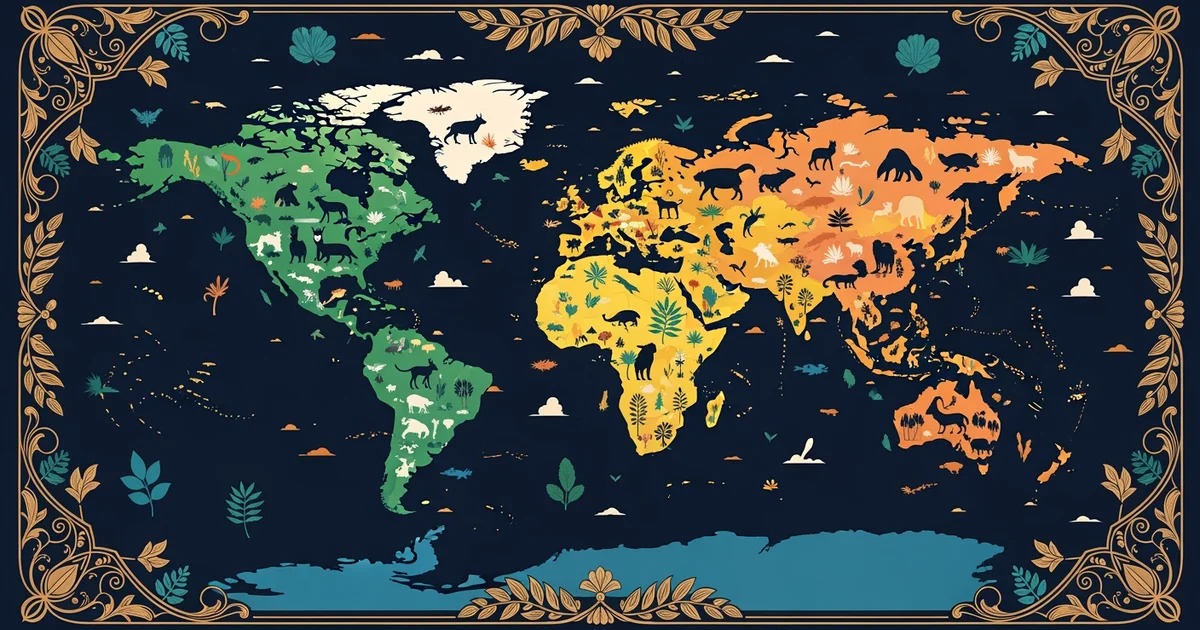
Nature operates in a similar way when species share the same environment and limited resources. When two different animal populations require the exact same food or nesting space, they enter a state of intense niche competition. A niche describes the specific role and needs of an organism within its habitat. It includes what the creature eats, when it is active, and how it interacts with other life forms. If two species have identical needs, they cannot coexist for long in the same exact spot. One group will eventually outcompete the other for the available resources, forcing the loser to move or face decline. This process acts as a filter that determines which species thrive in specific regions across the globe.
Key term: Niche overlap — a situation where two or more species require the same limited resources in the same geographic area.
Species often adapt to avoid this direct struggle by shifting their behavior or their preferred food sources. This concept of niche breadth refers to the range of resources a species can use to survive. A generalist species has a wide breadth, meaning it can eat many things and live in varied spots. A specialist species has a narrow breadth, requiring very specific conditions or food types to stay healthy. When competition becomes too high, species with narrow niches often specialize further to find a unique space. They might switch to a different food source or change their active hours to avoid the other group. This shifting helps them carve out a distinct area where they do not have to fight for survival.
Strategies for Coexistence
When resources are scarce, species find ways to share the environment without constant conflict. They might divide the available space or food into smaller, distinct segments that each group can claim. This division is much like a neighborhood where different stores sell unique items so they do not steal each other's customers. By partitioning the available resources, species reduce the overlap and allow multiple groups to live side by side. This natural balancing act explains why we see such a wide variety of life in a single forest or meadow. Each organism occupies a slightly different slice of the ecosystem to ensure its own long-term success.
| Species Type | Resource Needs | Survival Strategy | Competitive Risk |
|---|---|---|---|
| Generalist | Very broad | Flexible habits | Low to moderate |
| Specialist | Very narrow | High precision | Very high |
| Intermediate | Moderate range | Partial shifts | Moderate |
This table illustrates how the breadth of a niche dictates how a species handles pressure from others. Generalists can easily move to new food sources if a competitor arrives, while specialists face a much harder time. If a specialist cannot find its exact needs, it must migrate or risk local extinction. This dynamic keeps ecosystems stable by preventing any one species from taking over every available resource. The environment naturally sorts species into their most efficient roles through these constant, quiet battles for space and energy. Every plant and animal you see today is the result of millions of years of this competitive sorting process.
Species survive by narrowing their resource needs to minimize overlap with others, which creates distinct geographic distributions across the planet.
But what happens when these established species are suddenly forced to flee their homes due to massive environmental shifts like advancing ice sheets?