
Glacial Refugia Dynamics
Imagine a massive, frozen vault that protects a rare collection of seeds during a harsh winter storm. When the world outside becomes too cold to support life, these small pockets of safety keep the essential variety of nature alive until the spring arrives. These hidden zones are known as glacial refugia, and they act as biological lifeboats during periods of extreme global cooling. When massive ice sheets expand across continents, they destroy almost every living thing in their path. Species that cannot migrate quickly enough face total extinction unless they find these specific, protected microclimates. By analyzing where these zones exist, scientists can map the history of how life survived the most brutal climate shifts in our planetary past.
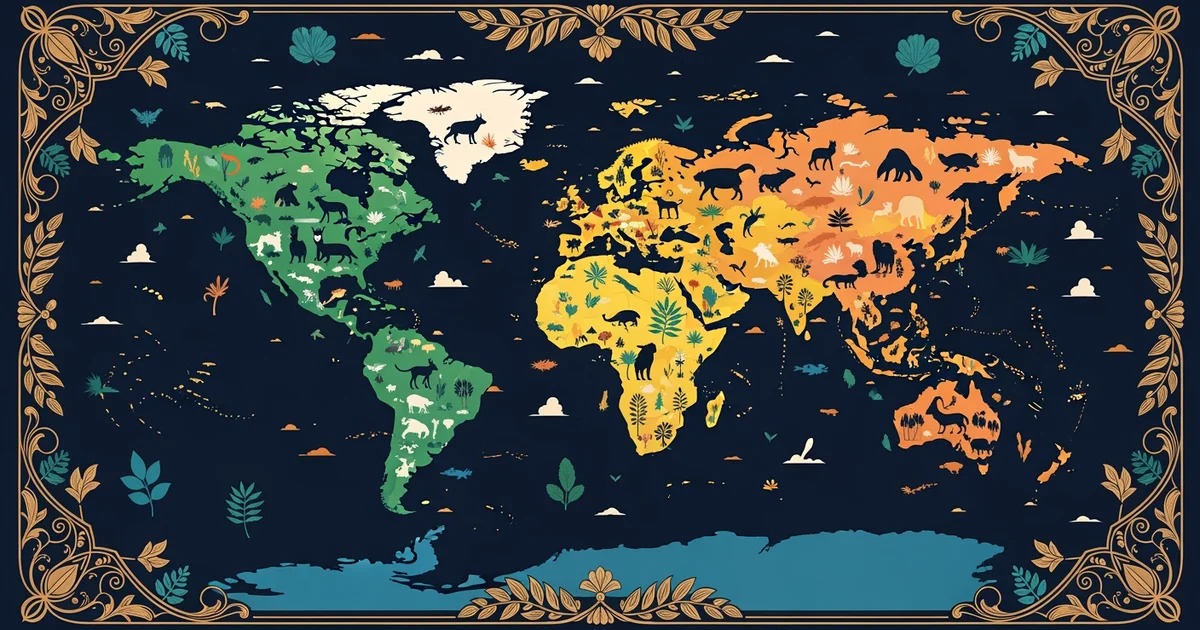
The Geography of Survival
During the peak of an ice age, the environment changes into a hostile landscape that few organisms can tolerate. Glaciers act like a giant, slow-moving bulldozer that scrapes away soil, plants, and animal habitats. However, the earth is rarely uniform in its temperature or its topography. Some areas remain ice-free because of unique local factors like mountain rain shadows or warm ocean currents. These spots allow small populations of hardy species to persist while the rest of the world remains locked in ice. Think of these areas like a neighborhood coffee shop that stays open during a massive city-wide power outage. Because the shop has its own backup generator, it becomes the only place where people can gather and stay warm. Similarly, these refugia provide the only heat and resources available to local wildlife.
Key term: Glacial refugia — specific geographic locations that remained ice-free during glacial periods, allowing species to survive and later recolonize surrounding areas.
When the ice finally begins to retreat, these refugia serve as the starting point for the recovery of the entire ecosystem. Species that stayed inside these zones have a head start compared to those trying to migrate from far away. They slowly spread outward, reclaiming the land that was once buried under miles of thick ice. This process is similar to a business that keeps its core staff during a recession. When the economy improves, the company can expand much faster than competitors who fired everyone and have to start their hiring process from scratch. The success of modern biodiversity depends heavily on which species managed to find these hidden shelters during the last major ice age.
Mapping Historical Stability
Scientists identify these important areas by looking for genetic clues hidden inside the DNA of modern plants and animals. Populations that lived in a refuge for thousands of years often show high levels of genetic diversity compared to those that moved into new areas later. This happens because the original group had more time to adapt and evolve within that stable environment. We can categorize these areas based on their physical features and their ability to sustain life under extreme pressure.
| Type of Refuge | Primary Feature | Survival Mechanism |
|---|---|---|
| Mountain Peak | High elevation | Above the ice line |
| Coastal Zone | Ocean influence | Warmer water temps |
| Valley Pocket | Wind protection | Trapped solar heat |
These categories help researchers predict where we might find rare species today. By studying these patterns, we learn that the history of our planet is written in the current distribution of life. If a species exists in a very small, isolated area, it might be a remnant of a larger population that once sought safety in a nearby refuge. Protecting these historic zones is now a major priority for conservationists who want to ensure that species can survive future climate changes. We must understand that the landscape is not just a stage for life but a record of past struggles against the cold. Every forest and meadow we see today carries the legacy of those ancient survivors who waited out the ice.
Historical refugia act as biological reservoirs that preserve genetic diversity and allow ecosystems to restart after periods of extreme environmental destruction.
But what does it look like in practice when human activity begins to break these natural patterns of survival?