
Designing Flavor Experiences
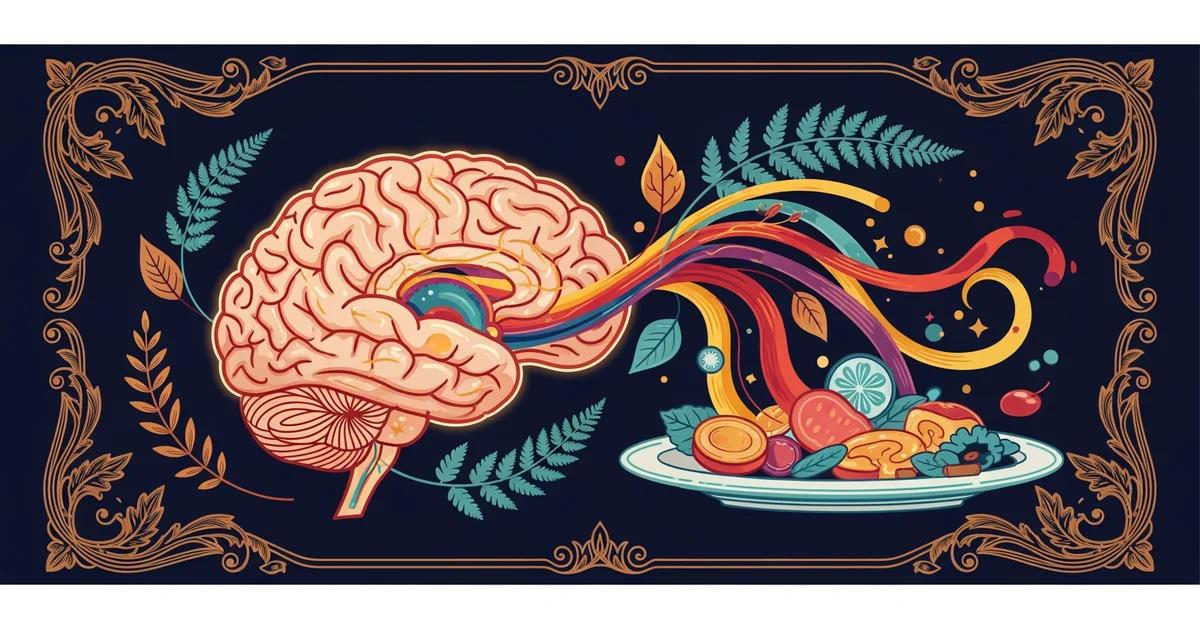
When the chef at a high-end bistro dims the lights and plays soft jazz, the diner perceives the food as tasting significantly more expensive. This shift in perception occurs because the human brain processes flavor as a holistic experience rather than a collection of isolated chemical signals. Just as a theater director uses lighting and sound to influence the audience, a chef uses environmental cues to prime the palate. This is the Sensory Integration concept from Station 11 working in real conditions to shape how guests experience their meal. By controlling the atmosphere, you manipulate the brain’s readiness to receive specific taste profiles.
Orchestrating the Dining Environment
To construct a memorable meal, you must treat the environment as an active ingredient in your recipe. The brain constantly scans the surroundings for context clues that inform how it should interpret incoming signals from the tongue and nose. If a guest enters a room that smells of citrus, their brain anticipates acidic or bright flavors before the first bite arrives. You can leverage this by matching the lighting temperature to the flavor intensity of your dishes. Warm, golden lighting often enhances the perception of sweetness, while cool, blue tones may make savory or bitter notes feel more pronounced. This creates a feedback loop where the external setting amplifies the internal chemical signals sent by your food.
Key term: Sensory Integration — the process by which the brain combines inputs from different senses to form a single, unified perception of flavor.
Think of the dining experience like a professional sound system inside a concert hall. If the room has poor acoustics, even the best orchestra will sound flat and uninspired to the audience. Similarly, if your dining room creates the wrong mood, your carefully prepared culinary creations will lose their impact. You must align the visual, auditory, and tactile elements with the flavor profile to ensure the brain receives a consistent message. When the environment contradicts the food, the brain experiences a cognitive dissonance that ruins the meal. A dish that is meant to be rustic and earthy will fail in a sterile, clinical setting because the visual cues clash with the flavor expectations.
Designing Multi-Sensory Menus
Building a menu requires you to consider how each course transitions through the senses. You should aim for a progression that keeps the brain engaged without overwhelming it with too many conflicting signals at once. The following table outlines how to map specific sensory inputs to the desired emotional response of your guests.
| Sensory Element | Influence on Perception | Strategic Application |
|---|---|---|
| Sound Frequency | High pitch boosts sweet | Play light, upbeat music |
| Texture Contrast | Crunchy adds excitement | Pair with soft elements |
| Plate Geometry | Round shapes feel sweet | Use for dessert courses |
| Color Saturation | Bright hues imply fresh | Use for seasonal salads |
By following this grid, you ensure that every part of the meal serves a specific purpose in the narrative you are building. You want to move the guest through a journey of flavors while keeping the sensory environment supportive of that goal. If you serve a heavy, savory main course, the environment should shift to lower frequencies and darker colors to match the intensity. This prevents the brain from feeling confused by rapid, jarring changes in the sensory landscape. A thoughtful progression allows the guest to focus on the nuance of each ingredient without distraction.
To refine your approach, you must test how small adjustments change the overall outcome. Try changing the music volume or the plate texture to see if the flavor of a dish feels different to your guests. You will notice that small changes lead to significant differences in how people rate their satisfaction. The goal is to create a seamless blend where the guest cannot tell where the food ends and the atmosphere begins. This is the hallmark of a master designer who understands that flavor is not just in the mouth, but in the mind of the person eating.
Designing flavor experiences requires aligning environmental cues with chemical taste signals to create a cohesive and immersive sensory narrative.
But this model breaks down when the guest has pre-existing medical conditions that alter their sensory processing capabilities.