
Memory and Food
The smell of fresh bread often transports you back to a warm family kitchen. This instant mental journey shows how deeply our brains link specific flavors to past events. While you eat, your mind does not just record the taste of the food. It creates a rich, complex map of the entire experience including emotions and surroundings. This process turns a simple snack into a powerful trigger for long-term memory retrieval.
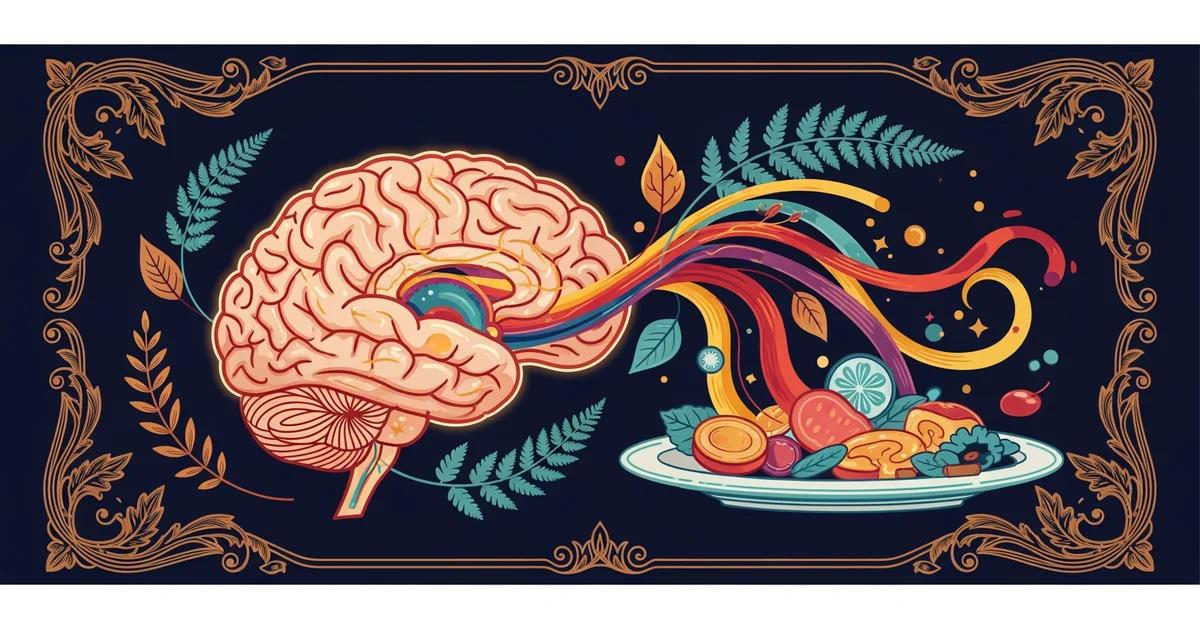
The Neural Basis of Flavor Memory
When you encounter a familiar taste, the brain activates the limbic system to process the input. This area handles your emotions and memory storage, acting like a bridge between the senses and your past. The brain connects the chemical signals from your taste buds to the specific time or place where you first encountered that flavor. It treats food as a data point in your personal history rather than just fuel for your body. If you feel happy during a meal, your brain saves that positive feeling alongside the flavor profile. This creates a lasting bond that makes the food feel comforting whenever you eat it later in life.
The Role of Sensory Association
Your brain functions much like a high-end filing system where every sensory input is a label on a folder. When you bite into an apple, the crunch and the sweetness act as the search terms for that specific folder. The brain pulls the entire file, which includes the sights, sounds, and feelings from previous times you ate an apple. This system is so efficient that it happens in milliseconds before you even finish your first chew. Because the brain prioritizes survival, it keeps these folders organized to help you recognize safe or dangerous foods instantly. This automatic filing system explains why a single smell can make you feel like you are back in childhood.
Key term: Limbic system — the complex set of brain structures that manages emotional responses and memory formation during daily experiences.
To understand how these memories persist, consider the way the brain prioritizes information during significant events. The brain uses neuroplasticity to strengthen the paths between taste receptors and emotional centers whenever a meal is tied to a strong feeling. This means that highly emotional meals are stored with much more detail than routine, everyday snacks. You can think of this like a highlighter pen on a document, where the brain marks important events for easier recall later. The following table outlines how different types of experiences influence the strength of your food-based memory storage.
| Experience Type | Emotional Intensity | Memory Longevity | Recall Frequency |
|---|---|---|---|
| Routine snack | Low | Short | Infrequent |
| Holiday meal | High | Very Long | High |
| Negative event | High | Permanent | Avoidance |
Strengthening Connections Through Repetition
Because the brain values efficiency, it reinforces these connections every time you repeat the experience. When you eat a favorite dish, you are essentially strengthening the neural path that links the flavor to your positive mood. This is why comfort foods stay relevant throughout your entire life, regardless of how much your tastes change. The brain treats these repeated patterns as reliable "shortcuts" for generating feelings of safety and satisfaction. By choosing to eat familiar foods, you are actually triggering a chemical reward cycle that the brain has practiced for years. This cycle makes it difficult to change dietary habits because the brain prefers the comfort of well-worn neural pathways.
The human brain stores food experiences as complex emotional packages that allow flavors to serve as direct triggers for vivid personal memories.
The next Station introduces texture, which determines how physical sensations in the mouth influence our overall perception of food quality.