
Neural Plasticity in Taste
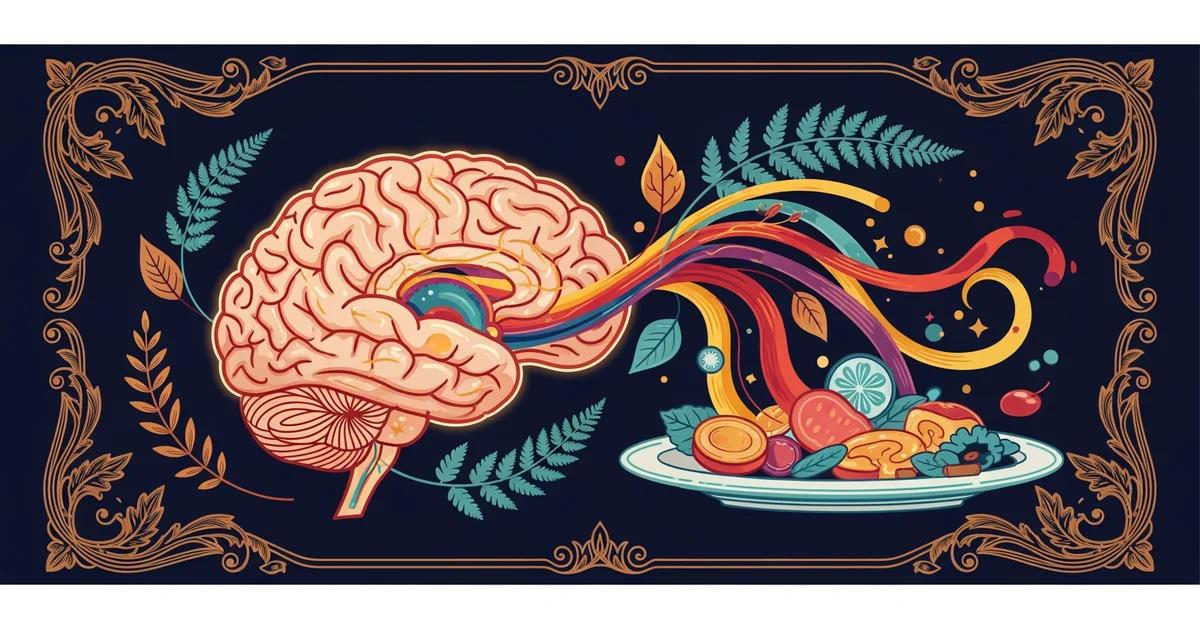
Imagine eating a bitter vegetable you once hated and finding it surprisingly pleasant after several weeks of trying. This shift in personal taste is not just a change of mind but a physical transformation within your brain. Your brain processes flavor through complex neural pathways that are far more flexible than most people realize. When you repeatedly expose your taste receptors to a specific flavor, your brain rewires its internal connections to accommodate that input. This process, known as neural plasticity, allows your sensory system to adapt to new environments and dietary patterns over time. Think of your brain like a city traffic system that adjusts its signals based on the volume of cars on specific routes. If one road receives constant traffic, the city eventually upgrades the infrastructure to handle that flow more efficiently than before. Your taste buds function in a similar way by strengthening the pathways for flavors that appear in your diet frequently.
The Mechanism of Adaptive Flavor Perception
When you consume a food item, your taste buds send electrical signals to the brain to identify chemical compounds. If you encounter a new or bitter flavor, the brain might initially interpret this as a potential warning sign. However, your brain possesses the remarkable ability to adjust its sensitivity through a process called synaptic pruning. This mechanism involves weakening connections that are not used while reinforcing those that are consistently triggered by your daily food choices. As you continue to eat the same foods, the brain creates a more efficient "map" of these flavors. This efficiency reduces the initial alarm response and allows you to enjoy complex profiles that you previously found harsh or unappealing. The brain does not simply record taste; it actively modifies its own structure to better process the information you provide it.
Dietary habits play a critical role in shaping how these neural pathways evolve over the course of your life. The following factors influence how quickly your brain adapts to new flavor profiles:
- Frequency of exposure ensures that the brain receives consistent data, which encourages the formation of permanent neural pathways for specific taste experiences.
- Intensity of the flavor profile requires the brain to dedicate more resources to processing, which accelerates the adaptation process compared to mild flavors.
- Variety in your diet prevents the brain from becoming too rigid, allowing it to maintain a flexible capacity for processing diverse chemical signals.
By understanding these factors, you can intentionally guide your palate toward new experiences by managing your intake. Your brain is not a static organ but a dynamic system that learns from every single meal you consume.
Long-Term Changes in Sensory Processing
Beyond simple preference changes, your brain undergoes structural adjustments that alter how you perceive flavor intensity over many years. This long-term adaptation ensures that your body remains attuned to the specific nutritional sources available in your local environment. The brain often prioritizes flavors that are associated with high energy or safety, effectively training itself to seek out these reliable sources. When you change your diet, you are essentially training your brain to recognize and value different chemical markers. This process is not instantaneous, but it is highly effective at shifting your natural cravings toward the foods you eat most often. By consistently choosing specific ingredients, you provide your brain with the necessary data to reconfigure its sensory processing centers permanently.
| Process | Function | Impact on Taste |
|---|---|---|
| Synaptic Pruning | Removes weak links | Sharpens flavor focus |
| Neural Mapping | Organizes inputs | Increases recognition speed |
| Pathway Strengthening | Boosts signal flow | Enhances flavor enjoyment |
This table illustrates how the brain organizes information to make sense of the constant stream of chemical data from your tongue. By pruning unnecessary connections and strengthening others, the brain ensures that your palate is optimized for your current lifestyle. You are effectively the architect of your own sensory experience through the choices you make at each meal.
Neural plasticity allows the brain to physically rewire its sensory pathways to match the flavors you consume most frequently.
But how do these chemical signals translate into the specific reward sensations that drive our future food choices?
Want this with sources you can check?
Premium Learning Paths for Culinary Arts & Gastronomy are researched against open-access libraries — PubMed, arXiv, government databases, and more — with their distinctive claims cited to real sources and independently checked.
See what Premium includes