
Chemical Triggers of Reward
Imagine you are eating a warm, gooey chocolate chip cookie after a very long day. Your brain instantly shifts from a state of hunger to a state of pure, chemical satisfaction. This sudden change happens because your brain processes sugar as a primary reward signal. It triggers a complex chain reaction that forces you to want another bite immediately. Understanding this process reveals why we find certain foods so difficult to resist at the dinner table.
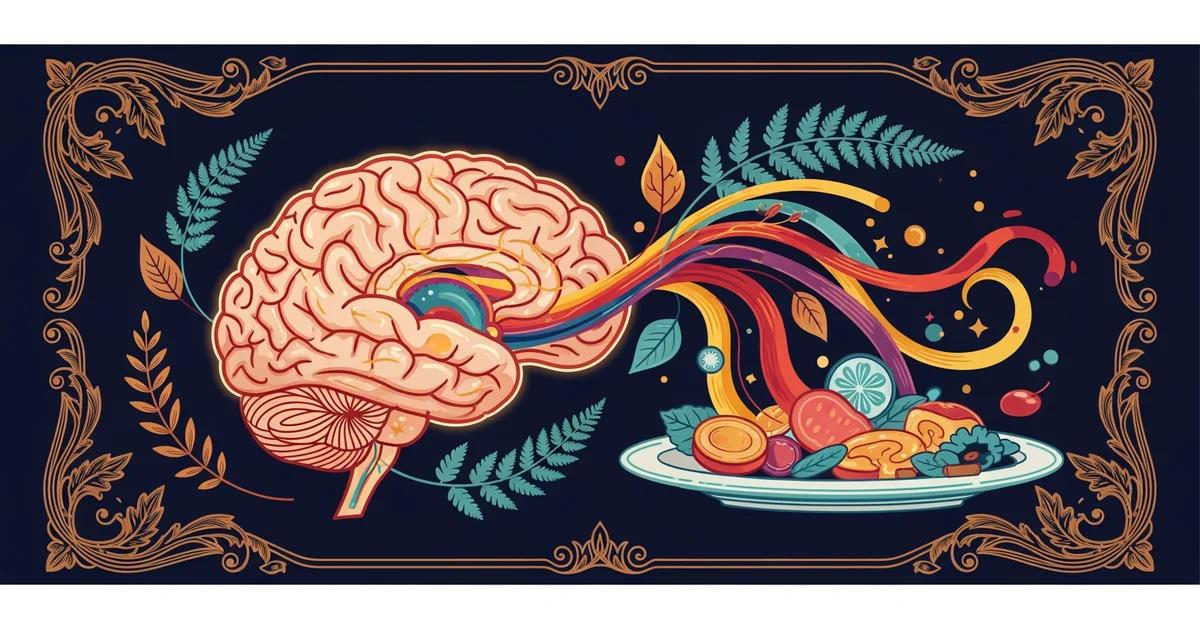
The Mechanics of Sugar and Dopamine
When you consume sugar, your tongue sends immediate signals to the brain about the incoming energy source. The brain interprets this high-calorie input as a major survival victory for your body. To reinforce this behavior, the brain releases a powerful neurotransmitter known as dopamine. This chemical acts like a biological reward currency that tells your mind that the food is good. Just as a bank tracks your savings, your brain tracks these dopamine hits to ensure you repeat the act. The more sugar you consume, the more the brain wants to maintain that high level of reward.
This process functions much like a high-stakes auction where your brain is the eager bidder. Each bite of sugar raises the bid, pushing the brain to release more dopamine to secure the prize. This creates a cycle where your desire for the food grows stronger with every single calorie. Unlike other foods that provide steady energy, sugar hits the reward system with intense, rapid speed. Your brain struggles to distinguish between a necessary meal and a sugary treat because both trigger the same pathways. This makes the chemical response to sugar feel far more urgent than the response to basic nutrition.
Key term: Dopamine — a chemical messenger in the brain that creates feelings of pleasure and reinforces behaviors by rewarding the body.
Beyond the initial hit, the brain begins to anticipate the reward before you even take a bite. If you see a dessert, your brain starts preparing for the dopamine release before the sugar hits your system. This anticipation serves as a powerful motivator that guides your food choices throughout the day. Your brain essentially builds a map of high-reward locations to keep your energy levels high. This biological drive explains why a simple picture of food can trigger a strong physical craving.
Mapping the Reward Pathway
Once the dopamine surge occurs, the brain stores this memory to help you find similar rewards later. This learning process is essential for survival, but it becomes problematic in a world filled with processed snacks. We can compare the brain's reward system to a specialized investment portfolio that prioritizes high-yield returns. The following table illustrates how different food types impact the brain's reward processing speed and intensity:
| Food Type | Reward Speed | Intensity Level | Biological Goal |
|---|---|---|---|
| Simple Sugar | Very Fast | High | Immediate Energy |
| Complex Carb | Moderate | Medium | Steady Fuel |
| Healthy Fat | Slow | Moderate | Storage Reserve |
These differences explain why our brains often ignore steady fuel in favor of fast, sugary rewards. The brain is programmed to value the fastest path to energy, even when that energy is not needed. This is why we often reach for sweets when we are tired or stressed. The brain is simply trying to optimize its internal reward balance using the quickest tools available.
We must also consider how the brain monitors these chemical triggers over time to prevent over-consumption. The system includes several checks to ensure we do not over-stimulate the reward pathway during every meal:
- The hypothalamus acts as a central monitor by tracking blood sugar levels to decide if more reward is required.
- The amygdala processes the emotional context of the meal to link specific flavors with positive memories of satisfaction.
- The prefrontal cortex attempts to regulate the impulse to eat by weighing the long-term health consequences of the choice.
These regions work together to balance the intense drive for sugar against the actual needs of the physical body. When these signals are ignored, the brain continues to seek out high-reward foods regardless of hunger. Understanding these triggers allows us to make better decisions about what we eat every single day.
The brain uses dopamine as a biological currency to prioritize high-energy foods by creating an intense cycle of anticipation and reward.
Now that we understand how chemicals drive our physical cravings, how do our personal beliefs and expectations influence the way we perceive these flavors?