
The Anatomy of Taste
Imagine you bite into a fresh, crisp apple and instantly taste a burst of sweet juice. This simple act feels effortless, yet your tongue and brain are performing a complex biological dance behind the scenes. You rely on this process every single day to navigate the world of flavor. Understanding how these signals travel from your mouth to your mind changes how you appreciate every meal you eat.
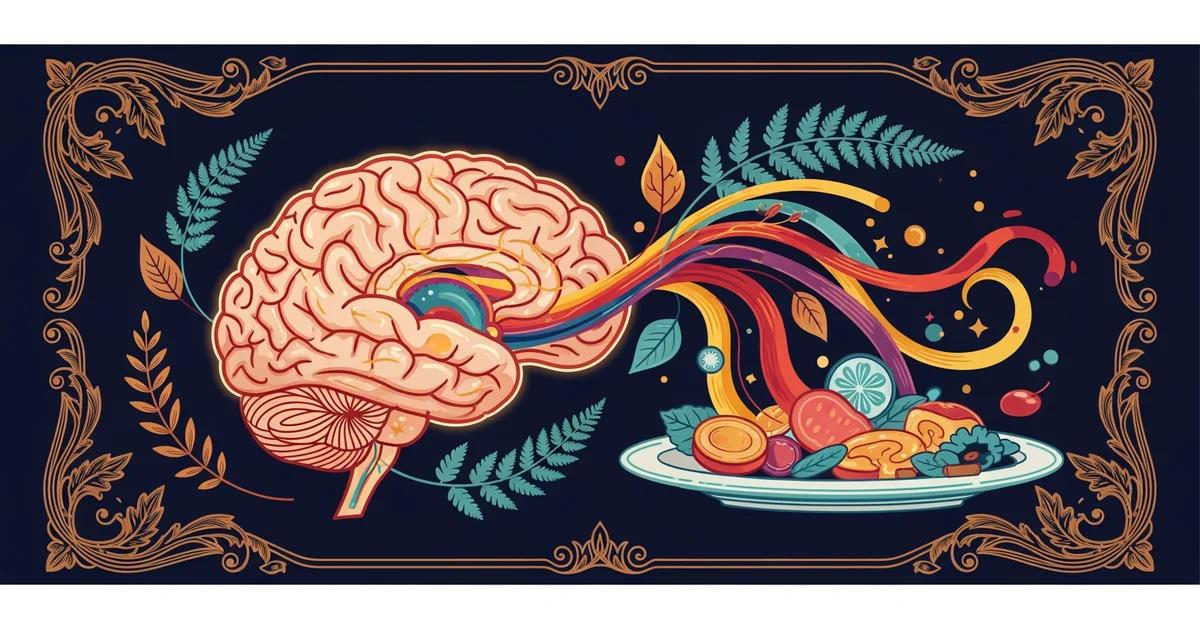
The Biological Pathway of Taste
When food enters your mouth, it begins a journey through a specialized sensory system. Your tongue contains thousands of tiny bumps called papillae, which house your taste buds. These buds act like small sensors that detect chemical molecules dissolved in your saliva. Once a molecule binds to a receptor, it triggers an electrical signal that travels along nerve pathways toward the brain. This is much like a mail delivery system where the tongue acts as the post office, sorting incoming letters based on their chemical content. Without these specialized receptors, your brain would remain completely unaware of the chemical composition of the food you consume.
After the receptors detect a signal, the information travels through specific cranial nerves toward the brain stem. The brain stem acts as a relay station, processing the initial intensity of the taste before sending it deeper into the brain. You can visualize this relay as a busy traffic intersection where signals from your tongue merge with other sensory data. If the signal is strong, the brain prioritizes it, ensuring you pay attention to potentially dangerous or highly nutritious substances. The following list describes the primary stages of this neural transmission:
- The tongue receptors capture chemical signals and convert them into electrical impulses that travel along the cranial nerves.
- The brain stem receives these incoming impulses and routes them to the thalamus for further sorting and distribution.
- The gustatory cortex receives the processed signals from the thalamus, allowing your brain to consciously perceive the flavor.
This neural pathway ensures that your brain receives a clear message about what you are eating. The speed of this transmission is vital for survival, as it allows you to react quickly to the food you ingest.
Processing Signals in the Brain
Once the signal reaches the gustatory cortex, your brain begins to interpret the data. This area of the brain acts like a sophisticated computer that compares new taste inputs against your past experiences. If you have eaten a bitter food before, your brain quickly identifies the profile and may trigger a protective response. This comparison process is the foundation of how you develop food preferences over your entire lifetime. The table below outlines how the brain categorizes different taste qualities during the processing phase.
| Taste Quality | Primary Trigger | Brain Interpretation |
|---|---|---|
| Sweet | Sugars | Energy source for body |
| Bitter | Toxins | Possible threat to health |
| Salty | Electrolytes | Essential mineral balance |
Key term: Gustatory cortex — the specific region of the brain responsible for the perception and interpretation of taste sensations.
By organizing these signals into meaningful categories, your brain creates a map of your culinary world. This internal map helps you decide which foods you enjoy and which you might want to avoid. Your brain uses these labels to guide your future eating habits based on the chemical data it receives. This entire system operates beneath your conscious awareness, yet it dictates almost every choice you make at the dinner table. If you stop to consider the complexity of this process, you will realize that eating is a sophisticated biological calculation. You are essentially running a continuous analysis of your environment every time you take a bite of food.