
Molecular Gastronomy Application
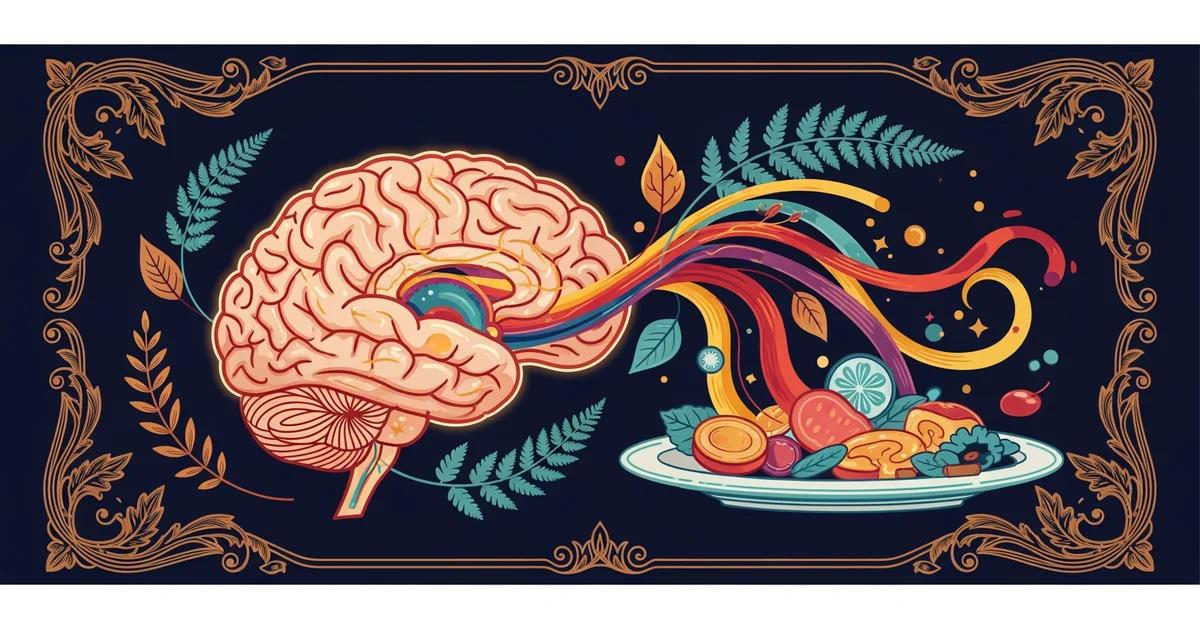
When a chef in a high-end restaurant uses liquid nitrogen to flash-freeze a mousse, they are not just performing a parlor trick for the guests. This precise action transforms the texture of the dish by creating tiny ice crystals that melt instantly on the tongue. This specific application of molecular gastronomy relies on the principles of rapid thermal transfer that we first explored in Station 2. By controlling the physical state of ingredients, a cook can manipulate how the human brain perceives the richness and intensity of a meal. When you understand these chemical shifts, you move beyond simple cooking and start designing experiences that bypass standard expectations of flavor.
The Physics of Texture Manipulation
To master this, you must first understand how phase transitions change the way our senses interact with food. When you use a thickening agent like agar-agar, you are changing the viscosity of a liquid to create a gel that releases flavor only under specific conditions. Think of this process like a bank vault that only opens when the correct combination is entered. The flavor molecules are locked inside a rigid structure until the warmth of your mouth acts as the key to release them. This delay in perception creates a sense of anticipation that makes the final burst of taste feel much stronger than it would in a standard liquid form. Chefs use these tools to ensure that the intensity of a flavor matches the visual presentation of the plate.
Key term: Molecular gastronomy — the scientific study of physical and chemical processes that occur during the preparation and consumption of food.
Beyond simple thickening, the use of emulsifiers allows for the creation of stable foams that carry intense aromas. These foams act as a delivery system for volatile compounds that would otherwise disappear before the food reaches the table. By trapping these scents in a light, airy matrix, you ensure that the guest experiences the full complexity of the ingredients with every bite. This technique is particularly effective when you want to highlight subtle notes that might be lost in a heavy sauce or a dense solid. The brain interprets these light textures as a sign of freshness and high quality, which elevates the overall perception of the dish.
Designing Sensory Contrast
When you combine these techniques, you can build a dish that challenges the brain through intentional sensory conflict. A classic example involves pairing a hot, savory sphere of liquid with a cold, crunchy exterior that shatters upon impact. This is the sensory contrast principle in action, designed to force the brain to pay closer attention to the food. Because the brain is wired to notice changes in the environment, these shifts in temperature and texture keep the diner engaged throughout the entire meal. If every bite were identical, the brain would quickly habituate to the stimulus and stop registering the nuances of the flavors.
| Technique | Primary Effect | Sensory Target |
|---|---|---|
| Spherification | Liquid burst | Texture contrast |
| Flash-freezing | Tiny crystals | Mouthfeel intensity |
| Emulsification | Aromatic foam | Olfactory impact |
To apply these principles effectively, consider the following elements that define a successful molecular dish:
- The delivery method must be consistent so that every guest receives the exact same physical experience during their meal.
- Texture transitions should happen in a predictable sequence to guide the diner through the intended flavor profile of the dish.
- Temperature must be managed carefully to ensure that the chemical reactions you designed do not trigger too early or too late.
By carefully balancing these variables, you can create a dining experience that feels both natural and entirely new. The goal is to use science to remove the barriers between the cook's intent and the diner's actual physical experience of the food.
True culinary innovation occurs when the chef uses precise physical transformations to guide the brain through a deliberate sequence of sensory discoveries.
But this model of controlled sensory design breaks down when the diner's own past experiences create unexpected emotional reactions to the food.