
Biodegradable Polymers
When a local beach cleanup crew gathers thousands of plastic bottles from the sand, they often find that these items remain perfectly intact for decades. This persistence highlights the major environmental challenge posed by synthetic polymers that refuse to break down after their intended use. These materials rely on stable carbon chains that resist natural decay processes found in soil or water environments. Scientists now develop biodegradable polymers to address this issue by engineering molecular structures that respond to biological triggers. These materials function like traditional plastics during their service life but transition into harmless components when exposed to microbes.
The Molecular Design of Decay
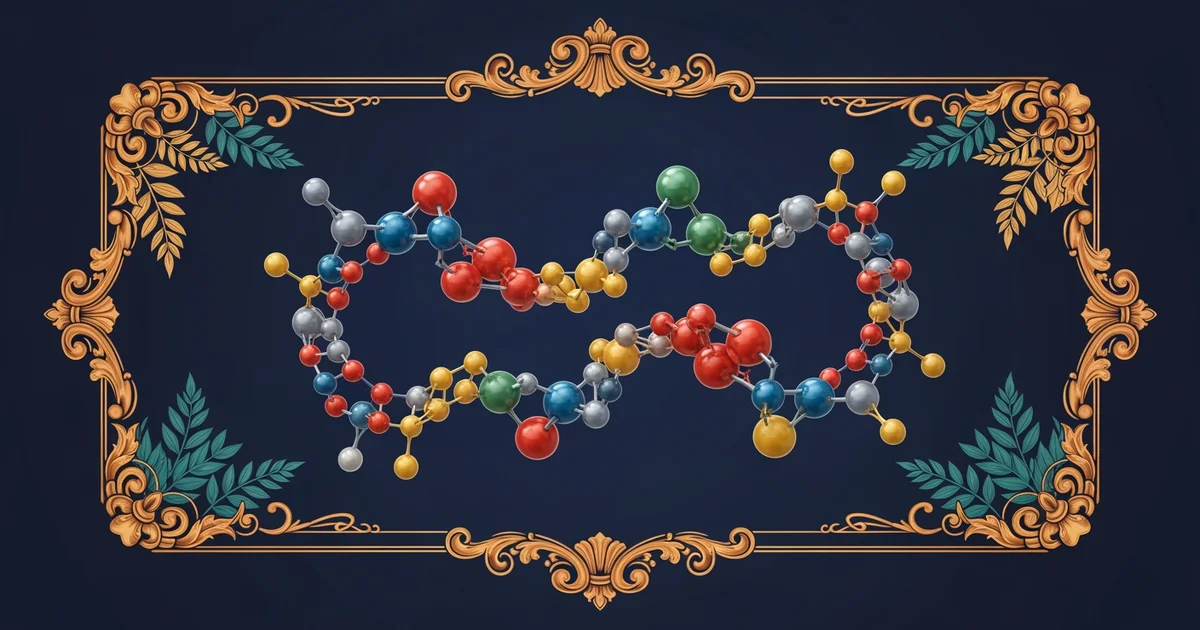
To understand how these materials vanish, we must look at the chemical bonds that hold them together. Traditional plastics consist of long chains of carbon atoms that microbes cannot easily digest or break apart. Biodegradable polymers introduce specific functional groups, such as ester or amide bonds, into the main backbone of the material. These bonds act as weak points where water or enzymes can attack the molecular structure during the degradation process. Think of this process like a sturdy bridge that has a special release mechanism for maintenance teams to dismantle it safely. By placing these chemical hinges at regular intervals, engineers ensure that the material remains strong while in use but becomes vulnerable when discarded into an active biological environment.
Key term: Biodegradation — the process where living organisms like bacteria or fungi break down complex chemical structures into simpler natural substances.
Once these chemical hinges are exposed to moisture and heat, the polymer chains begin to undergo hydrolysis. This reaction splits the long molecular chains into smaller, water-soluble fragments that microbes can consume for energy. The speed of this transition depends on the temperature, the level of humidity, and the specific type of microbial population present in the soil. Unlike traditional plastics, which merely fragment into smaller pieces called microplastics, these materials undergo a fundamental chemical change. This transformation ensures that the final products are mostly carbon dioxide and water, which return to the natural cycle without leaving behind toxic residue or permanent waste.
Comparing Degradation Pathways
Effective material selection requires understanding how different polymers interact with their environment over time. The following table provides a comparison of how common materials behave when they reach the end of their lifecycle in a natural setting:
| Material Type | Primary Bond | Main Breakdown Factor | Typical Outcome |
|---|---|---|---|
| Polyethylene | Carbon-Carbon | Ultraviolet light | Microplastic debris |
| Polylactic Acid | Ester linkage | Microbial enzymes | Water and biomass |
| Polyhydroxyalkanoate | Ester linkage | Bacterial digestion | Natural compost |
These differences illustrate why material choice remains critical for environmental applications. While traditional plastics like polyethylene rely on sunlight to slowly break their chains, they often leave behind persistent particles. In contrast, polymers like polylactic acid use ester linkages to invite biological breakdown. This approach represents an application of molecular design from Station 10, where we learned how specific chain structures dictate the physical properties of a substance. By choosing the right chemical backbone, we can create products that serve our needs today without becoming a permanent burden on the planet tomorrow.
When we evaluate these materials, we must also consider the specific conditions required for successful breakdown. Some polymers only degrade in high-heat industrial facilities, while others break down in a backyard compost pile. This distinction is vital because placing the wrong material in a home compost bin will result in no change at all. We must align our waste management systems with the specific chemical requirements of the plastics we produce. This alignment ensures that the promise of biodegradable technology actually translates into cleaner ecosystems and reduced landfill reliance.
Biodegradable polymers utilize engineered chemical hinges that allow biological agents to dismantle long molecular chains into harmless environmental components.
But this model faces significant challenges when these materials are improperly disposed of in environments lacking the necessary microbial activity or specific temperature conditions.