
Cross-linking Explained
Imagine holding a handful of loose spaghetti noodles that slide past each other with ease. If you pour hot glue across those noodles, they suddenly lock into a rigid, singular structure that resists bending. This simple change from individual sliding strands to a connected network represents the fundamental shift that happens during the process of chemical bonding. When we look at polymers, we see long, flexible chains that often behave like those loose noodles. By introducing specific chemical connections between these chains, we create a stronger, more stable material that holds its shape under pressure.
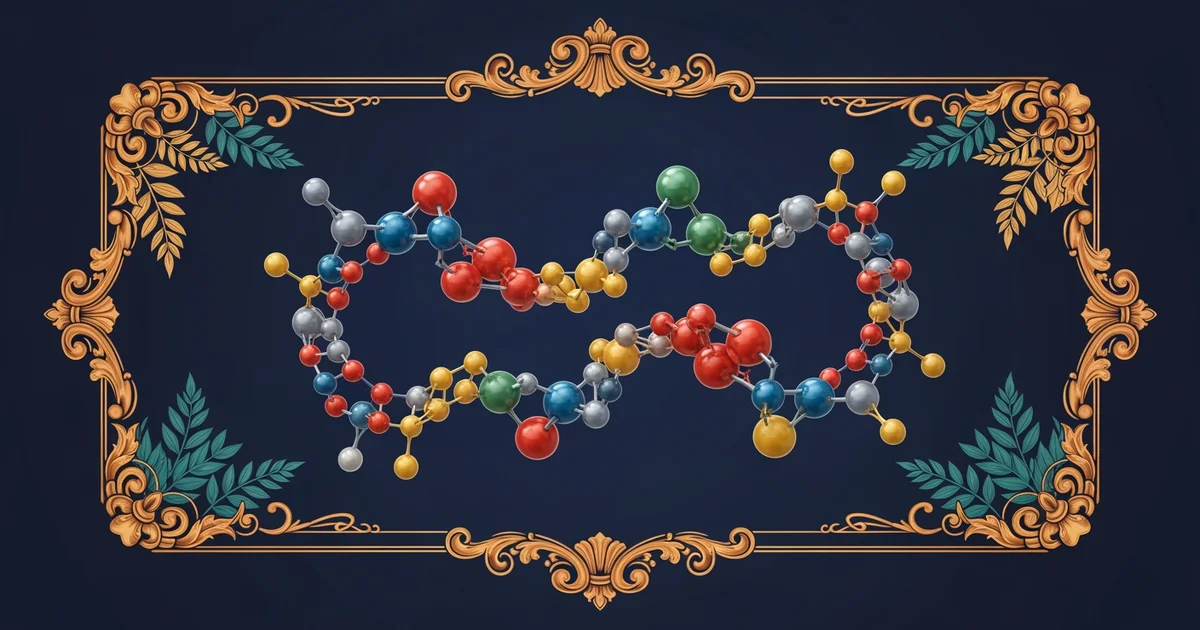
The Mechanism of Molecular Bridges
Polymer chains are long, repeating sequences of molecules that provide the basic structure for plastics and rubbers. In their natural state, these chains often slide over each other when you apply heat or physical force. This movement makes the material soft or even molten. To stop this sliding, chemists introduce cross-linking. This process creates covalent bonds that act as permanent bridges between parallel polymer chains. Think of these links as rungs on a ladder that prevent the side rails from sliding apart. Without these rungs, the ladder rails would simply collapse or drift away from one another. By locking the chains in place, cross-linking transforms a soft, flowable substance into a durable, heat-resistant solid that maintains its geometry.
Key term: Cross-linking — the process of creating covalent bonds between separate polymer chains to form a rigid, interconnected network.
Once these chemical bridges form, the entire material acts as one giant, single molecule. The strength of the final product depends entirely on the density of these bridges. If you have very few links, the material remains somewhat flexible and elastic, like a rubber band. If you add many links, the material becomes extremely rigid and brittle, like a hard plastic shell. This relationship between link density and physical rigidity allows scientists to engineer materials for specific jobs. Whether you need a bouncy ball or a tough helmet, the secret lies in how tightly the chains are tethered together.
Structural Impact on Material Properties
When we compare materials, we can see how these links change their behavior under different conditions. The following table illustrates how varying the number of bridges affects the physical characteristics of a polymer sample.
| Link Density | Material Behavior | Common Application |
|---|---|---|
| Low | Highly flexible | Elastic bands |
| Moderate | Tough and firm | Vehicle tires |
| High | Rigid and brittle | Hard plastic cases |
This structural change is permanent because the bridges are strong covalent bonds. Unlike simple physical interactions, these chemical connections do not break when you heat the material. This explains why certain plastics melt when heated while others, known as thermosets, simply char or burn. The cross-links hold the structure together so tightly that the chains cannot move or flow, even at high temperatures. This stability makes cross-linked materials essential for parts that must endure high heat or constant mechanical stress without deforming.
By controlling the amount of cross-linking, engineers can fine-tune the performance of synthetic materials to match the needs of modern industry. This process turns simple, repeating molecular units into the robust, reliable tools that define our modern world. Understanding this bridge-building process provides the key to unlocking the full potential of molecular science and material design.
Cross-linking transforms flexible polymer chains into a rigid, interconnected network by establishing permanent covalent bridges that prevent molecular movement.
The next Station introduces thermoplastic dynamics, which determines how non-cross-linked materials respond to heat and pressure.