
The Nature of Polymers
Imagine holding a single paperclip that suddenly stretches into a strand long enough to wrap around a room. This strange transformation happens every day at the microscopic level within the materials that fill your home. You encounter these long, repeating structures whenever you touch a plastic water bottle or wear a synthetic fiber shirt. These materials do not exist as simple, isolated particles that float around in the air like dust. Instead, they form massive, interconnected webs that give our modern world its strength, flexibility, and durability. Understanding how these tiny building blocks link together is the first step toward mastering the science of matter.
The Architecture of Long Chains
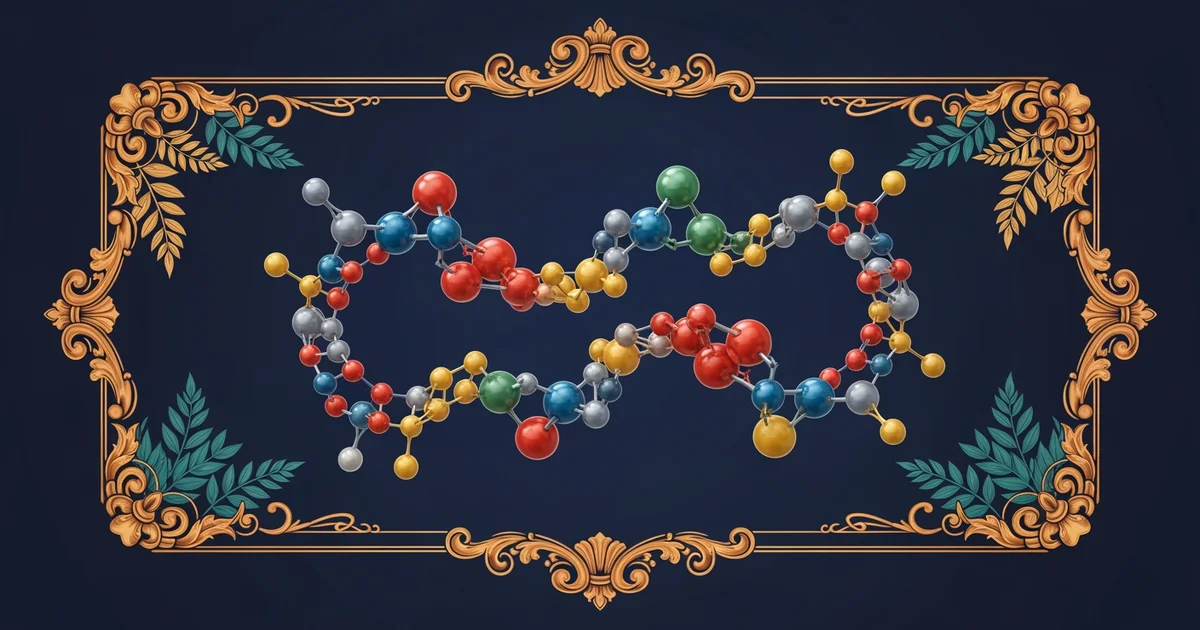
At the heart of every material we call a polymer lies a simple, repeating unit called a monomer. Think of a monomer as a single link in a very long metal chain. When you connect many of these links together through chemical bonds, you create a much larger structure. This resulting long-chain molecule is what scientists define as a polymer. Unlike small molecules that move independently, these long chains tangle and knot together like a giant bowl of cooked spaghetti. This tangling effect is exactly what provides the structural integrity found in items like rubber bands or plastic containers.
Key term: Monomer — a small, simple molecule that acts as the basic chemical unit which repeats to form a long polymer chain.
To visualize this process, consider how you might build a long paper chain for a holiday decoration. You take one small piece of paper, loop it, and glue the ends together to make a single unit. If you stop there, you only have a single loop that cannot support much weight or span any distance. However, when you slide a second piece of paper through the first and glue it, you start a sequence. By repeating this process hundreds of times, you create a long, flexible, and surprisingly strong chain. Molecules follow this same logic by using strong covalent bonds to hold their repeating units together.
Why Structure Determines Function
The way these chains interact with one another dictates whether a material is hard, soft, or stretchy. If the chains are mostly straight and pack closely together, the material becomes dense and rigid like a plastic bottle. If the chains have many branches or are loosely coiled, the material remains flexible like a rubber glove or a soft fabric. The following table highlights how the physical arrangement of these molecular chains influences the final properties of common materials we use every day.
| Material Type | Chain Arrangement | Physical Property |
|---|---|---|
| Rigid Plastic | Tightly packed | Hard and strong |
| Elastic Rubber | Loosely coiled | Flexible and bouncy |
| Soft Fibers | Long and thin | Stretchable and light |
These differences demonstrate that the length and shape of the chain are just as important as the chemical identity of the monomers themselves. When you change the length of the chain, you fundamentally alter how the material behaves under pressure or heat. Chemists manipulate these chain lengths during manufacturing to create everything from bulletproof vests to simple grocery bags. By controlling how these units repeat, we can engineer materials to suit almost any human need or industrial challenge.
The strength and utility of modern materials arise from the way tiny, individual molecular units link together into long, repeating chains that tangle and interact.
This foundation provides you with the essential knowledge needed to explore how natural substances and human-made materials differ in their chemical origins.