
Thermoplastic Dynamics
Imagine holding a plastic water bottle over a campfire and watching it soften into a shapeless blob of liquid. This simple transformation reveals the secret life of materials that we touch every single day. While some substances remain rigid until they burn, others possess a flexible nature that lets them change shape whenever they get hot. This unique behavior defines the world of modern engineering and manufacturing. By understanding how these materials respond to heat, we can better appreciate the items that fill our homes and workspaces.
The Nature of Molecular Chains
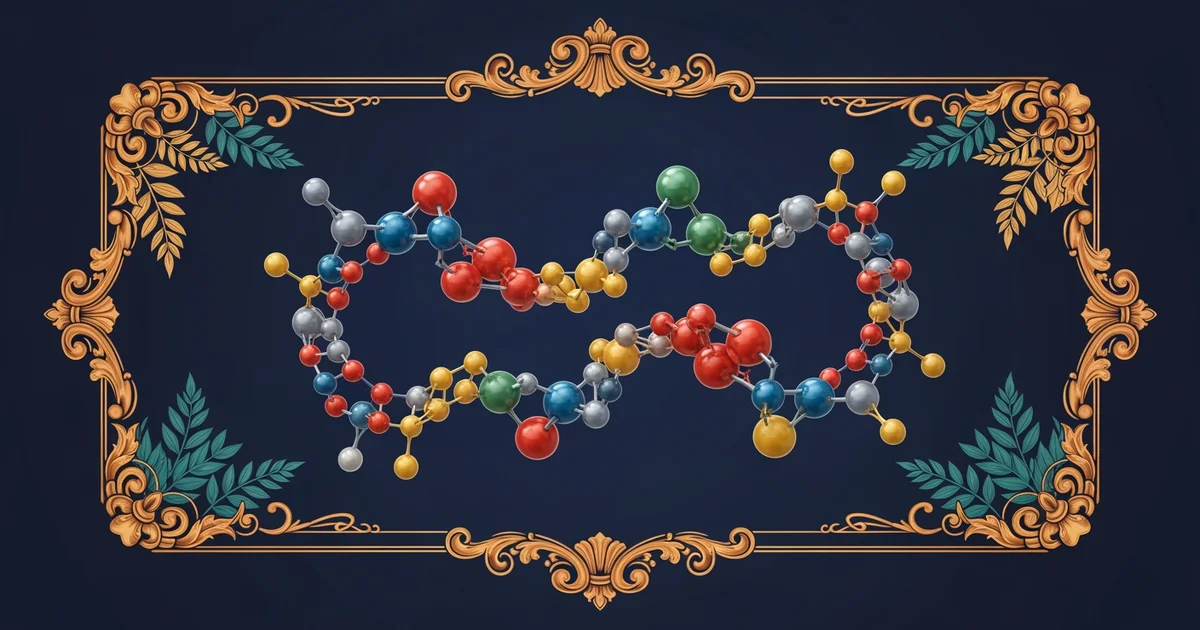
Most plastics belong to a category known as thermoplastics, which are defined by their long, tangled molecular chains. These chains act like a massive bowl of cooked spaghetti that has been left to cool on the counter. Because the individual strands are not permanently bonded to their neighbors, they can slide past one another when external energy is applied. When you heat these materials, the kinetic energy causes the chains to vibrate and push apart from each other. This process creates more space between the molecules, which turns the solid plastic into a pliable, flowing substance. Once the heat source is removed, the chains settle back into their original positions and lock into a new, solid form. This cycle of melting and cooling can be repeated many times without damaging the chemical structure of the material.
Key term: Thermoplastics — materials that soften when heated and harden when cooled, allowing them to be reshaped multiple times.
Comparing Structural Properties
To see how these materials differ from other substances, we must look at how they hold their shape over time. Some materials use permanent chemical bridges to lock their structure in place, which prevents them from ever melting again. We call these permanent structures thermosets. The table below outlines the primary differences between these two common types of synthetic materials.
| Feature | Thermoplastic | Thermoset |
|---|---|---|
| Heat response | Softens and flows | Remains rigid or chars |
| Bonding type | Weak forces between chains | Strong covalent cross-links |
| Recyclability | Highly recyclable | Very difficult to recycle |
Understanding these distinctions helps engineers choose the right material for specific tasks. If you need a container that can be melted down and reused, you would choose a thermoplastic. If you need a component that stays solid in a hot engine, you would choose a thermoset.
Practical Applications of Thermal Dynamics
Because thermoplastics can be melted and reshaped, they are the backbone of modern injection molding processes. During this manufacturing stage, plastic pellets are fed into a heated barrel where they turn into a thick liquid. This liquid is then forced into a metal mold that defines the shape of the final product. As the liquid cools inside the mold, the molecular chains stop sliding and become rigid once more. This efficiency allows factories to produce thousands of identical parts with very little waste. The ability to reuse scrap material by melting it down again makes this process highly sustainable for large-scale production. By controlling the temperature precisely, manufacturers can ensure that the plastic flows perfectly into complex designs without losing its strength. This dynamic nature is why we see so many complex plastic shapes in our daily lives.
Thermoplastics rely on weak molecular forces that allow them to soften and reshape under heat, distinguishing them from permanently locked thermoset materials.
But what happens when these molecular chains are forced to bond permanently through the process of cross-linking?
Want this with sources you can check?
Premium Learning Paths for Chemistry & Molecular Science are researched against open-access libraries — PubMed, arXiv, government databases, and more — with their distinctive claims cited to real sources and independently checked.
See what Premium includes