
The Monomer Concept
Imagine holding a single plastic brick that can snap together with thousands of others to form a massive, complex castle. This simple act of connecting identical pieces creates a sturdy structure that is far stronger than any individual part could ever be on its own. In the world of chemistry, these tiny, repeating units are the fundamental building blocks that allow scientists to engineer materials ranging from soft clothing fibers to hard, durable containers. Understanding how these small units join together reveals the secret behind the strength and versatility of the items we use every single day.
The Fundamental Nature of Building Blocks
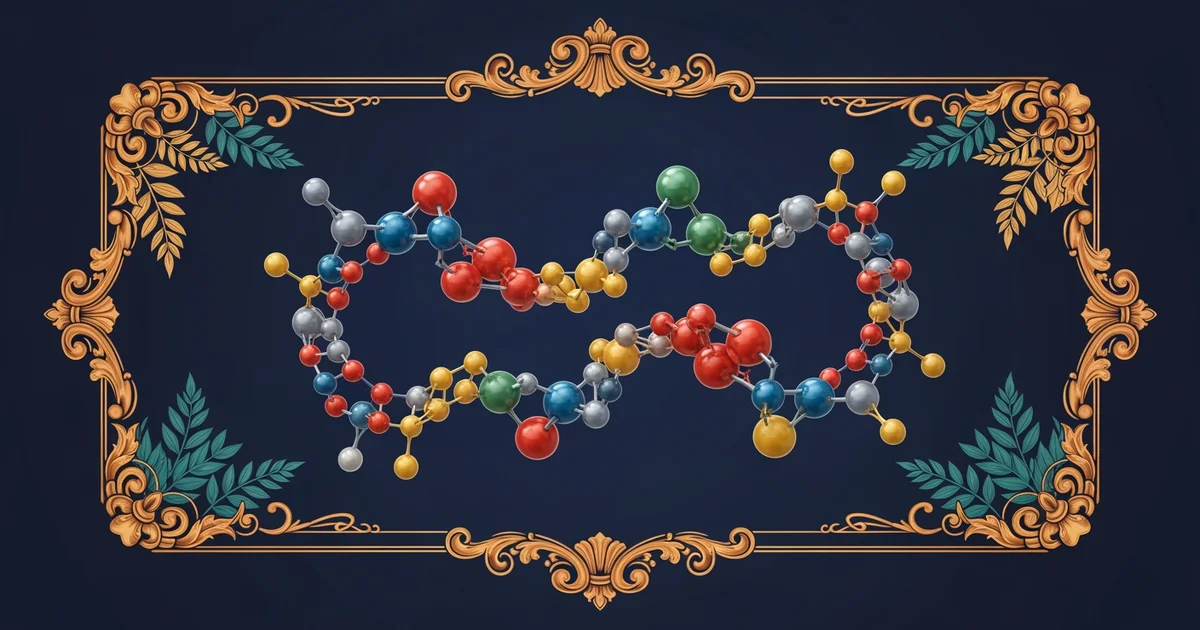
At the heart of every plastic or synthetic material lies a small, reactive molecule known as a monomer. These molecules act as the starting material for all large, complex chains that make up modern materials. Think of a monomer like a single link in a long metal chain that you might find on a bicycle. By itself, the link is small, light, and easy to move around in your hand. However, once you connect many of these links in a specific sequence, the resulting chain gains incredible tensile strength. Chemists use these reactive units because they have chemical sites that allow them to bond to one another easily under the right conditions. Without these tiny, reactive building blocks, we would lack the ability to create the diverse range of materials that define our current technological landscape.
Key term: Monomer — a small, simple molecule that can chemically bond with other identical or similar molecules to form larger structures.
When we look at the process of creating these materials, we see that the chemical identity of the monomer dictates the final properties of the substance. If you choose a monomer that is rigid and strong, the final material will likely be hard and resistant to bending. If you select a monomer that is flexible and elastic, the resulting chain will often be soft and stretchy. This relationship is predictable because the internal structure of the individual unit remains part of the larger chain. Scientists carefully choose their starting monomers to ensure that the finished product meets the needs of the intended application. This selection process is the primary reason why we have specialized plastics for everything from food storage to medical equipment.
Connecting Units into Chains
To transform these individual units into a functional material, they must undergo a chemical process that links them into long, repeating strands. This transformation is similar to how a single bead on a string does not provide much utility, but a long necklace creates a decorative and useful object. The process of linking these units ensures that the material gains stability and shape. While the individual units are chemically active, the final chain is often very stable and resistant to breaking apart. This stability is why your water bottle does not dissolve when you fill it with liquid or change shape when you leave it in the sun.
| Feature | Individual Monomer | Polymer Chain |
|---|---|---|
| Size | Small and light | Large and heavy |
| Reactivity | Highly reactive | Generally stable |
| Strength | Low | High |
| Purpose | Building block | Structural material |
We can summarize the transformation of these units through the following observations:
- The chemical bonds formed between monomers ensure that the material holds its shape during daily use.
- The total number of units in a chain determines the overall weight and thickness of the final plastic.
- The specific arrangement of these units allows for the creation of materials that can be either transparent or opaque.
The relationship between these units is essential for modern manufacturing because it allows for the mass production of consistent items. By controlling the conditions under which these units bond, manufacturers can ensure that every batch of material has the exact same quality and performance characteristics. This level of control is what allows us to produce millions of identical products that perform reliably in various environments. If the bonding process were random or uncontrolled, the resulting materials would be inconsistent and likely fail to perform their intended tasks.
The strength and unique properties of modern synthetic materials arise from the specific chemical arrangement of many small, repeating units linked together into long chains.
Now that we understand how these individual units form the basis of a chain, we will explore the precise chemical reactions that force these units to bond together during addition polymerization.