
Addition Polymerization
Imagine a long train where every single car clips onto the next one in a rapid, unstoppable sequence. This is exactly how tiny molecules join together to form the long, durable chains we call plastics. When we look at the process of addition polymerization, we see how simple building blocks turn into the materials that hold our world together. This reaction happens when molecules with double bonds break those bonds to link up with their neighbors. It is a fast, efficient way to build massive structures from very small parts.
The Mechanics of Chain Growth
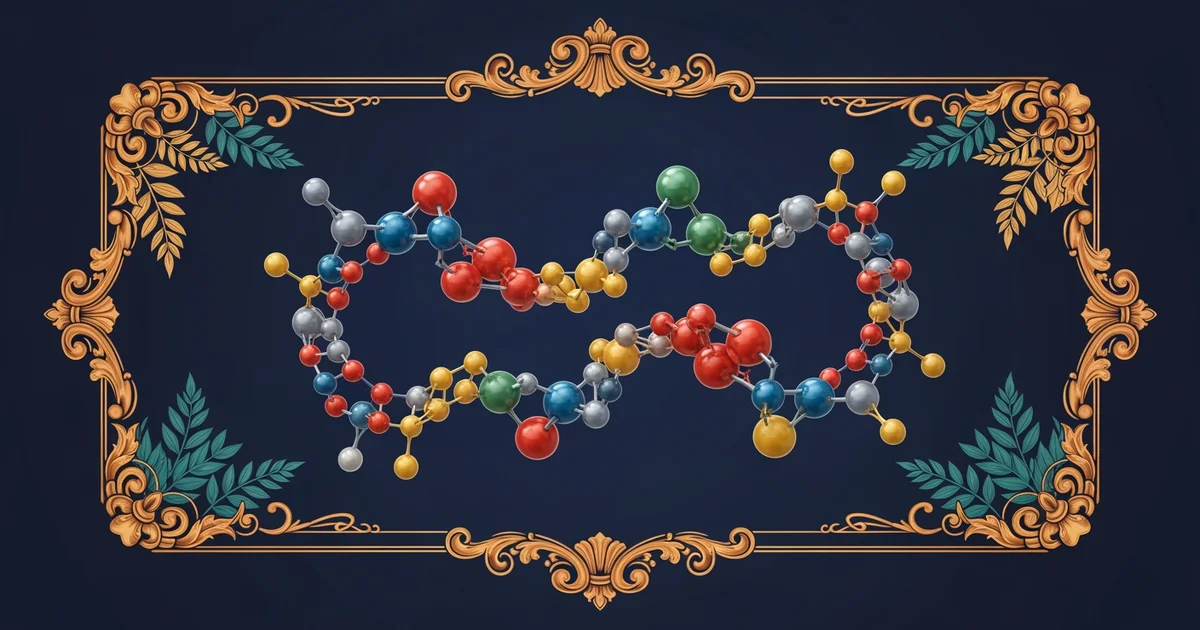
To understand how this happens, we must look at the specific way these molecules interact under pressure. The process relies on an initiator, which acts like a spark to start the fire of chemical bonding. Once the first bond breaks, the molecule becomes highly reactive and seeks a partner immediately. It grabs another monomer, which is the singular unit, and pulls it into the growing chain. This chain grows longer with every step, adding more units until the reaction finally stops. Think of this like a long line of people holding hands in a dark room. Once the first person grabs a hand, the chain reaction continues until everyone is linked into one single, long row.
Key term: Monomer — a small, simple molecule that acts as the primary building block for creating long-chain polymers.
This chain growth is not random, as it requires specific conditions to keep the process moving forward. Heat and pressure often play a vital role in ensuring that the molecules collide with enough energy to bond. If the conditions are not perfect, the chain might remain short, resulting in a weak material that lacks durability. Scientists carefully control these variables to create plastics with different levels of strength and flexibility. The process is similar to how a factory uses an assembly line to build cars from basic parts. Without the right speed and timing, the final product will not meet the standards required for modern use.
Conditions for Successful Reactions
| Condition | Role in Reaction | Effect of Change |
|---|---|---|
| Initiator | Starts the chain | Controls speed |
| Temperature | Increases energy | Faster growth |
| Pressure | Forces contact | Higher density |
We must consider that not every molecule can participate in this specific type of addition reaction. Only molecules with a double bond between carbon atoms, such as the basic unit of ethylene, can function in this way. The double bond represents a point of tension that is ready to snap open. When it snaps, it provides the energy needed to form two new single bonds with nearby units. This transformation is the secret behind the creation of everything from thin plastic bags to thick pipes. By changing the starting unit, we can create materials that are either soft or rigid.
Consider the following steps that define the rapid growth of these long molecular chains:
- Initiation occurs when the catalyst creates a reactive site on the first monomer, making it ready to bond.
- Propagation follows as the reactive chain end attacks another monomer, adding it to the growing structure continuously.
- Termination happens when two chains meet or the initiator is exhausted, which brings the growth to a halt.
This sequence ensures that we can mass-produce materials with consistent properties every single time. It is a precise dance of atoms that requires perfect timing to ensure the chains reach the desired length. By mastering these reactions, we have unlocked the ability to engineer materials that serve our specific needs.
Addition polymerization creates strong, long-chain materials by rapidly linking small monomers through the breaking of double bonds.
The next Station introduces condensation reactions, which determine how different types of polymers form through the release of small molecules.