
Thermoset Structures
Imagine trying to melt a brick wall to reshape it into a new structure. You would find that the wall stays solid because its parts are locked together tightly. This is exactly how thermoset plastics behave when they encounter extreme heat or pressure. Unlike materials that soften and flow, these substances hold their form until they eventually burn or break. They represent a permanent commitment in the world of molecular engineering and synthetic design.
The Architecture of Permanent Bonds
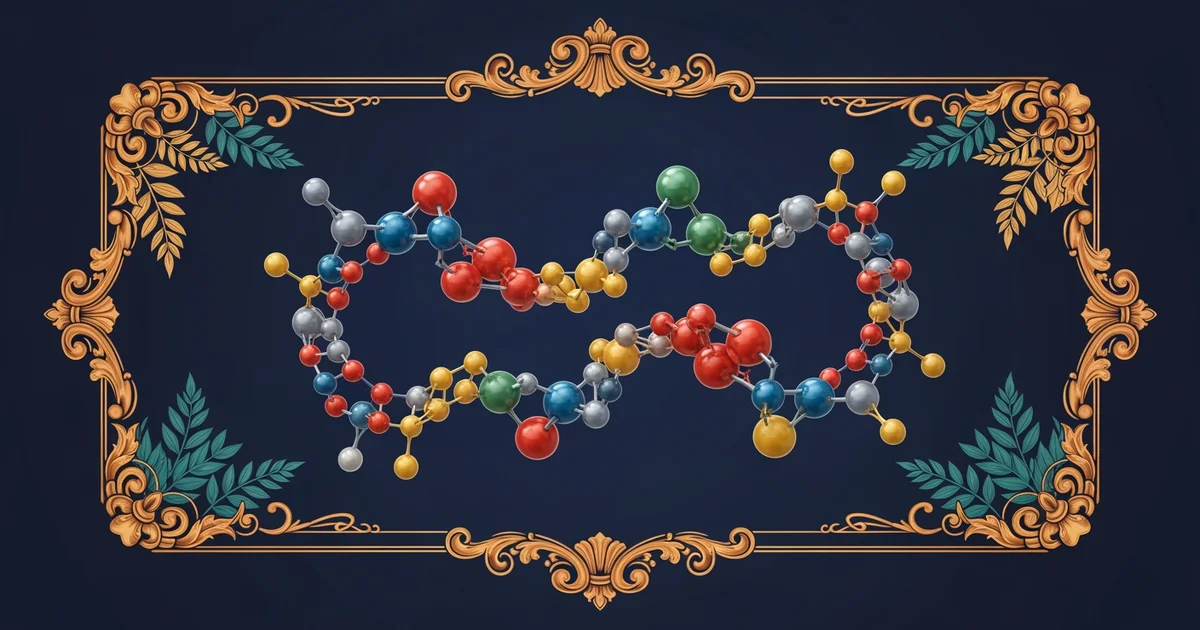
Thermoset materials gain their unique strength through a process called cross-linking during their initial cure. Think of this process like building a large, complex spider web between every single polymer chain. Once these chemical bridges form, they prevent the individual molecular strands from sliding past each other freely. If you try to heat a thermoplastic, the chains slide apart, but a thermoset remains trapped. The heat cannot break these strong covalent bonds without destroying the entire molecular structure itself. This makes them ideal for parts that must survive harsh environments without warping or losing their shape.
Key term: Cross-linking — the formation of strong chemical bonds between distinct polymer chains to create a rigid, unified network.
These materials start as liquid resins that harden through a chemical reaction rather than just cooling. When manufacturers mix these resins, the molecules begin to connect in every direction at once. This creates a three-dimensional grid that is effectively one giant, single molecule. Because this grid is so interconnected, the material cannot melt or flow like a standard plastic would. It is the molecular equivalent of a knot that you can never untie, regardless of how much force you apply.
Why Heat Fails to Reshape Thermosets
When we compare different types of plastics, we see clear differences in how they respond to energy. Thermoplastics are like a pile of loose spaghetti that softens when warmed, allowing for easy reshaping. Thermosets are more like a baked cake, where the ingredients have bonded into a permanent new form. The following table highlights the key structural differences between these two common classes of synthetic materials:
| Feature | Thermoplastic | Thermoset |
|---|---|---|
| Molecular Bond | Weak intermolecular forces | Strong covalent cross-links |
| Heat Response | Softens and melts | Remains rigid until charring |
| Recyclability | High potential for reuse | Very difficult to process |
| Structural Type | Linear or branched chains | Three-dimensional network |
Because thermosets do not melt, they are the preferred choice for high-temperature applications like engine components. If these parts were made of thermoplastic, they would lose their shape under the heat of a running motor. Instead, thermosets maintain their structural integrity, providing a stable foundation for complex machinery. Engineers rely on this permanence to ensure that critical safety parts remain functional even during periods of intense thermal stress. Once the curing process finishes, the shape is set for the entire lifespan of the object.
The Trade-off of Rigid Design
This permanence brings a significant challenge regarding the lifecycle and environmental impact of these materials. Because you cannot melt them down to create new products, recycling thermosets is quite difficult. Most discarded thermoset parts must be ground into powder for use as filler in other materials. This makes the design phase very important, as the final shape must be perfect from the start. We must weigh the benefits of extreme durability against the reality that these materials are truly permanent. Choosing the right material requires understanding whether you need the flexibility of a thermoplastic or the absolute stability of a thermoset. Every engineering choice involves a balance between performance needs and long-term material sustainability.
Thermoset structures achieve permanent stability because their cross-linked molecular networks prevent chains from moving or melting when heated.
Since these materials are locked into place, how do we modify the behavior of polymers that need to stretch and return to their original form?