
Polymer Additives
When a specialized racing kayak hits a jagged rock, the hull must absorb the impact without shattering into sharp pieces. Engineers solve this structural challenge by mixing specific chemical agents into the base plastic resin during the manufacturing process. These agents transform the brittle nature of raw polymers into durable, flexible materials that survive harsh environments. This application of chemistry ensures that modern equipment remains both lightweight and incredibly resilient under physical stress. By adjusting the molecular recipe, scientists control how a finished product behaves in the real world.
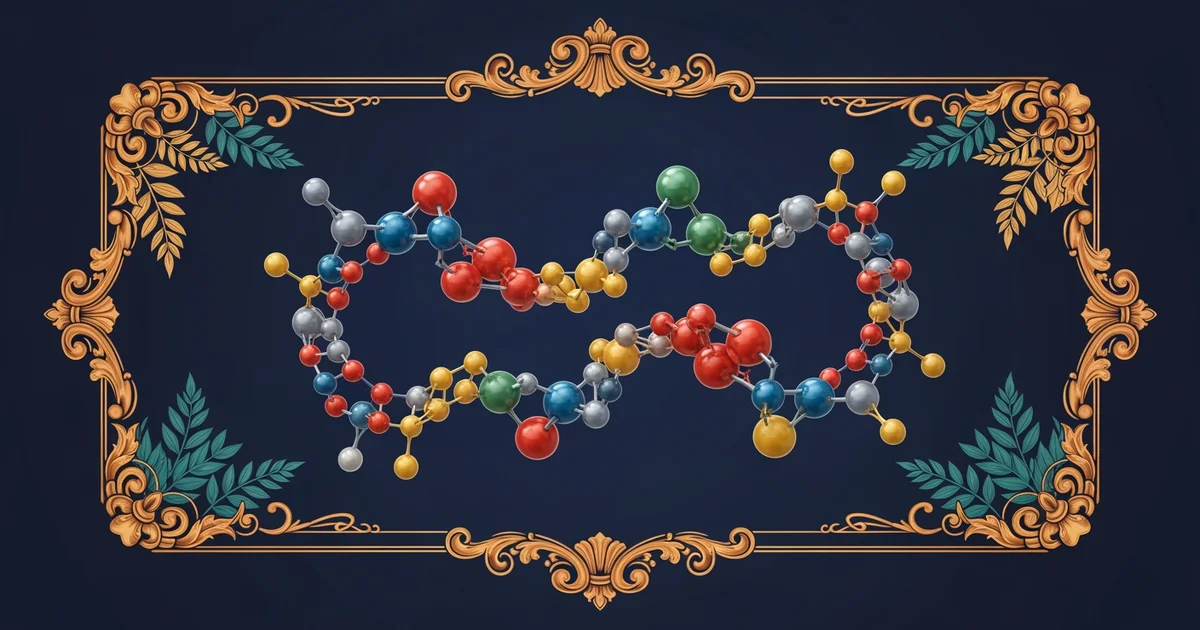
Enhancing Material Performance Through Additives
Polymers in their pure state often lack the specific traits required for high-performance industrial or consumer applications. Adding fillers allows manufacturers to increase the volume of a material while simultaneously improving its overall mechanical strength. These solid particles occupy space within the polymer matrix, which prevents the material from sagging under heavy loads. Consider how a baker adds walnuts to brownie batter to provide crunch and structure to an otherwise soft dessert. The walnuts act as fillers that change the final texture without altering the basic chemistry of the chocolate base. By choosing the right filler, such as glass fibers or mineral powders, engineers create materials that resist bending and remain stable across a wide range of temperatures.
Key term: Fillers — solid materials mixed into a polymer matrix to improve mechanical strength, increase volume, or reduce production costs.
Beyond simple structural fillers, the industry relies on plasticizers to modify the internal mobility of long molecular chains. These small molecules wedge themselves between the large polymer chains, which effectively pushes them apart and increases the free volume. This process reduces the internal friction of the material, making the plastic significantly softer and more flexible at room temperature. Without these additives, items like garden hoses or electrical wire insulation would become stiff and prone to cracking during cold weather. The plasticizers act like a lubricant, allowing the chains to slide past each other smoothly when the material experiences a sudden force or movement.
Categorizing Essential Polymer Modifiers
| Additive Type | Primary Function | Typical Effect on Material |
|---|---|---|
| Fillers | Structural support | Higher stiffness and hardness |
| Plasticizers | Chain lubrication | Increased flexibility and flow |
| Stabilizers | Chemical protection | Longer life against UV decay |
Manufacturers must select additives based on the final environment where the product will function. Stabilizers provide protection against external threats like sunlight or heat, which can break chemical bonds over time. These additives act as sacrificial targets that absorb harmful energy before it damages the structural backbone of the polymer. By using a combination of these agents, chemists can fine-tune every aspect of a plastic object. This level of control is essential for creating products that last for decades instead of just a few months. Engineers must balance the cost of these additives against the required performance level to ensure the final product remains affordable for consumers.
When we look at the specific chemistry of these modifications, we see how molecular interactions dictate macroscopic outcomes. For instance, the addition of a plasticizer like {24} ext{H}{38} ext{O}_4 into a rigid resin creates a soft, pliable material suitable for medical tubing. This is an application of the concepts regarding molecular chain length from Station 10 working in real conditions. The additives do not change the base molecule, but they fundamentally alter how the chains interact with one another. This allows the same base resin to serve as either a rigid pipe or a flexible seal depending on the additive load. Mastering this balance is the hallmark of modern materials science, as it allows for the vast variety of plastic goods we see in our daily lives.
Adding specific chemical agents to a polymer matrix allows engineers to precisely tune the mechanical flexibility and structural durability of the final material.
But this model of additive control faces significant challenges when designers attempt to create materials that are both incredibly strong and fully compostable in nature.