
Conservation Status Trends
When the Golden Toad vanished from the Monteverde Cloud Forest in 1989, researchers lost a vital piece of the global biodiversity puzzle. This sudden disappearance highlights the fragile nature of reptile and amphibian populations facing modern environmental stressors. Just as a bank might collapse if too many customers withdraw their savings at once, ecosystems fail when species vanish beyond a critical threshold. This is the conservation status concept from Station 12 working in real conditions. We must examine why these creatures are disappearing so rapidly from our natural world today.
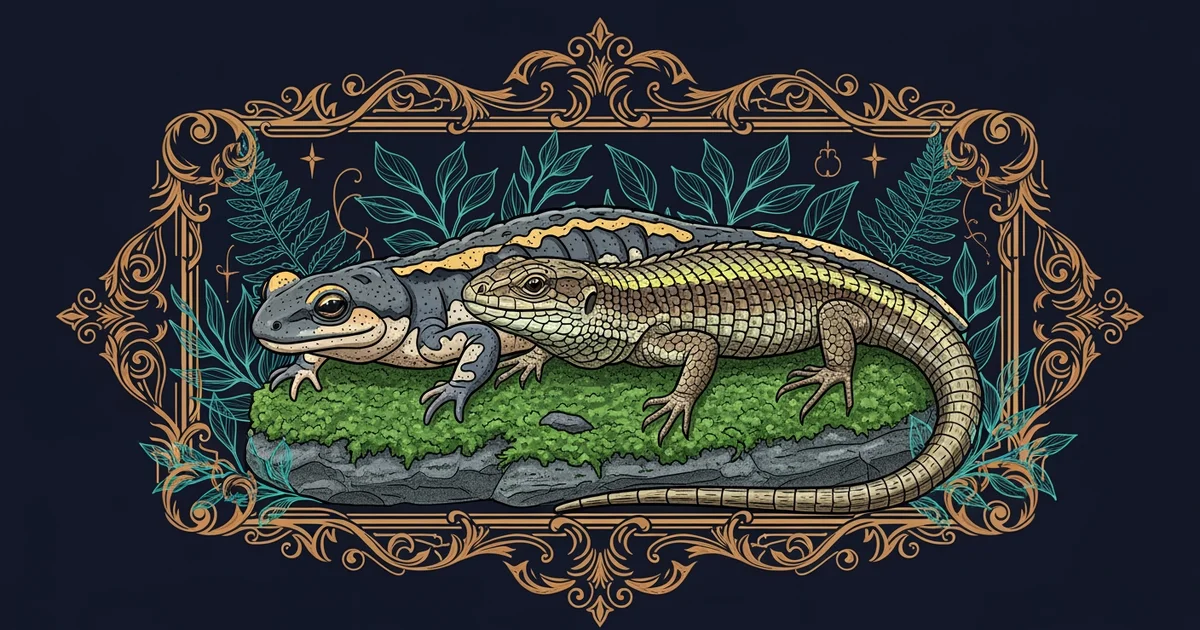
Drivers of Population Decline
Many factors contribute to the current decline of these sensitive species across the globe. Habitat loss remains the primary threat as humans convert wild forests into urban spaces or agricultural fields. When you remove a wetland, you destroy the essential breeding grounds for countless amphibian species that rely on standing water. Pollution also plays a major role by introducing harmful chemicals into the environment that disrupt reproductive cycles. These stressors act like a heavy tax on a business, slowly draining resources until the entire system can no longer sustain itself. Without intervention, these populations will continue to dwindle until they reach the point of no return.
Key term: Biodiversity — the variety of all living things in a specific habitat or on the entire planet.
Climate change further complicates these issues by shifting traditional temperature patterns that reptiles depend on for survival. Many species rely on specific thermal ranges to regulate their metabolism and successfully incubate their eggs each season. As temperatures rise, these animals often find themselves outside their comfort zones without the ability to migrate effectively. The following list outlines the primary threats that conservationists monitor to protect these vulnerable populations from complete extinction:
- Habitat fragmentation isolates small groups of animals, which prevents healthy genetic mixing and leaves populations vulnerable to disease outbreaks.
- Invasive species outcompete native reptiles for food and territory, which forces the local animals into less suitable environments where they struggle to thrive.
- Over-collection for the pet trade reduces the number of breeding adults in the wild, which limits the potential for population recovery in future seasons.
Monitoring Global Trends
Scientists track these trends to understand how different species respond to human-led environmental changes over time. By using standardized data, researchers can determine which animals require immediate protection versus those that remain stable. This monitoring process is essential for allocating limited funding to the most urgent conservation projects. Think of this like a household budget where you must prioritize spending on absolute necessities before considering any luxury items. If we fail to manage our resources wisely, we risk losing species that perform critical functions in their local food webs.
| Threat Category | Impact Level | Primary Consequence |
|---|---|---|
| Habitat Loss | Very High | Complete displacement |
| Climate Shift | High | Metabolic stress |
| Disease Spread | Moderate | Population collapse |
The data in this table shows that habitat loss creates the most immediate danger for global herpetological health. Every species lost represents a gap in the natural cycle that might never be filled again by other animals. Conservation efforts must focus on restoring these damaged areas to provide refuge for the remaining populations. Protecting these creatures is not just about saving individual animals, but about maintaining the stability of the entire biological network. We have the tools to change these trends if we act with speed and clear focus.
Effective conservation requires addressing the root causes of habitat loss and environmental instability to ensure species survival.
But this model of protection often faces significant challenges when climate change begins to alter habitats faster than species can adapt.