
Habitat Preference Patterns
Imagine a lizard sitting on a sun-drenched rock while a salamander hides deep beneath a damp log. These two animals occupy the same forest, but their lives unfold in completely different worlds because of their specific environmental needs. Every creature selects a home that provides the exact resources required to survive, grow, and eventually reproduce in a competitive wild landscape.
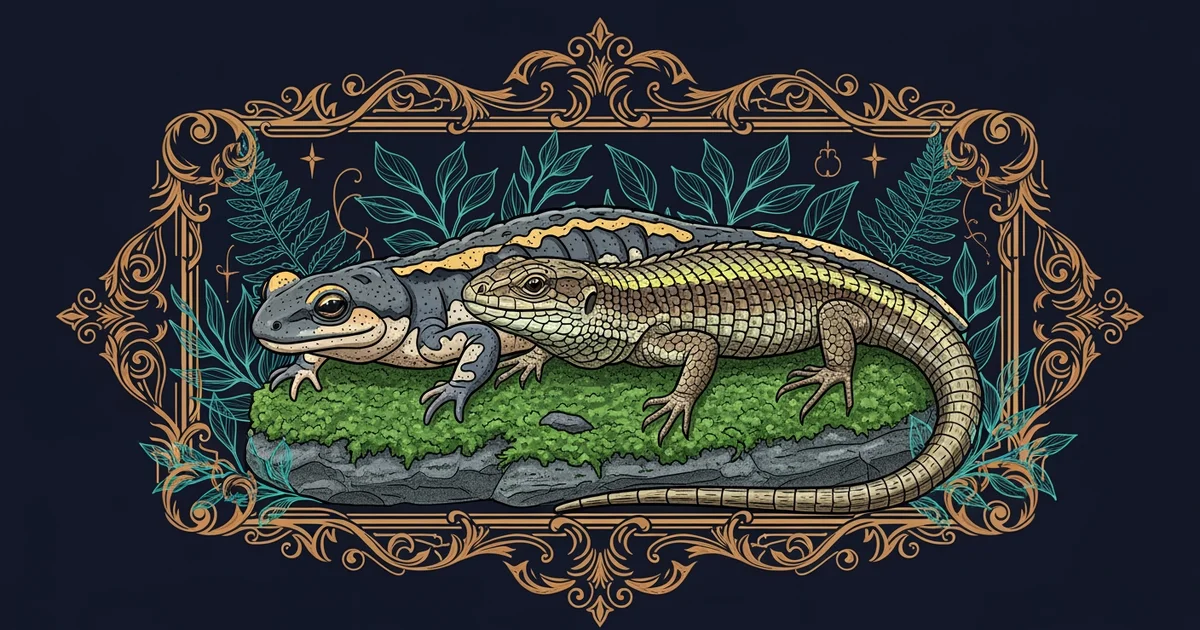
Environmental Constraints on Distribution
Herpetological species rely on their surroundings to manage internal body temperatures, which dictates where they can live. Because reptiles are ectothermic, they must seek out thermal patches that allow them to reach their preferred operating temperatures throughout the day. If a specific patch of land does not provide enough sunlight for warming or enough shade for cooling, the animal simply cannot inhabit that space. This creates a tight link between the physical landscape and the actual presence of a species in a given area. Think of it like a business owner choosing a storefront location based on where their customers actually walk. A shop selling winter coats will fail in a tropical climate, just as a desert lizard will perish in a constantly freezing mountain range. The environment acts as a filter that allows only the most compatible species to establish a permanent home in any specific ecosystem.
Key term: Ectothermic — describes animals that rely on external heat sources from their environment to regulate their body temperature.
Amphibians face even stricter rules regarding their living spaces because their skin must remain moist to allow for proper gas exchange. They often choose habitats near water bodies or in areas with high humidity levels to prevent dehydration during their daily activities. These moisture requirements act as a strict boundary for their movement and limit how far they can travel from their core breeding sites. Unlike some mammals that can roam widely, many amphibians are tethered to small patches of suitable micro-habitats that satisfy their hydration needs. This dependency makes them highly sensitive to small changes in their surroundings, such as the removal of leaf litter or the drying of a seasonal pond.
Analyzing Habitat Selection Patterns
Researchers categorize habitat preferences by looking at the specific resources that attract different species to certain zones. Some animals prioritize high-quality food sources, while others prioritize safety from predators or access to ideal nesting grounds. These factors often overlap, creating a complex map of where different reptiles and amphibians choose to spend their time. The following table summarizes how different environmental factors influence the selection process for these diverse groups of animals.
| Factor | Impact on Selection | Primary Goal |
|---|---|---|
| Thermal Gradient | Regulates metabolic rates | Maintaining energy balance |
| Moisture Levels | Prevents skin dehydration | Supporting respiratory health |
| Cover Availability | Provides physical protection | Avoiding natural predators |
| Prey Density | Ensures caloric intake | Supporting growth cycles |
By comparing these factors, scientists can predict which areas will support the highest diversity of life within a specific biome. When an area offers a perfect mix of heat, moisture, and shelter, it becomes a hotspot for multiple species. These hotspots are essential for maintaining the ecological balance that keeps our natural world functioning properly. If one factor shifts, such as a drop in humidity, the entire balance of the habitat can change rapidly. This forces species to either adapt to the new conditions or migrate to a more suitable location nearby.
Understanding these patterns helps us protect the delicate balance of nature by identifying which areas are most vital for survival. We see that habitat choice is not a random act but a calculated decision driven by the physiological needs of the animal. By mapping these preferences, we gain insight into how global biomes support such a wide variety of reptilian and amphibian life. This knowledge is fundamental for conservation efforts aimed at preserving the natural range of these sensitive organisms across the planet.
Habitat preference is a calculated survival strategy where animals select locations that perfectly match their physiological demands for temperature, moisture, and safety.
The next Station introduces Locomotion Mechanics Analysis, which determines how physical body structures allow reptiles and amphibians to navigate these diverse environments.