
Foraging Behavior Tactics
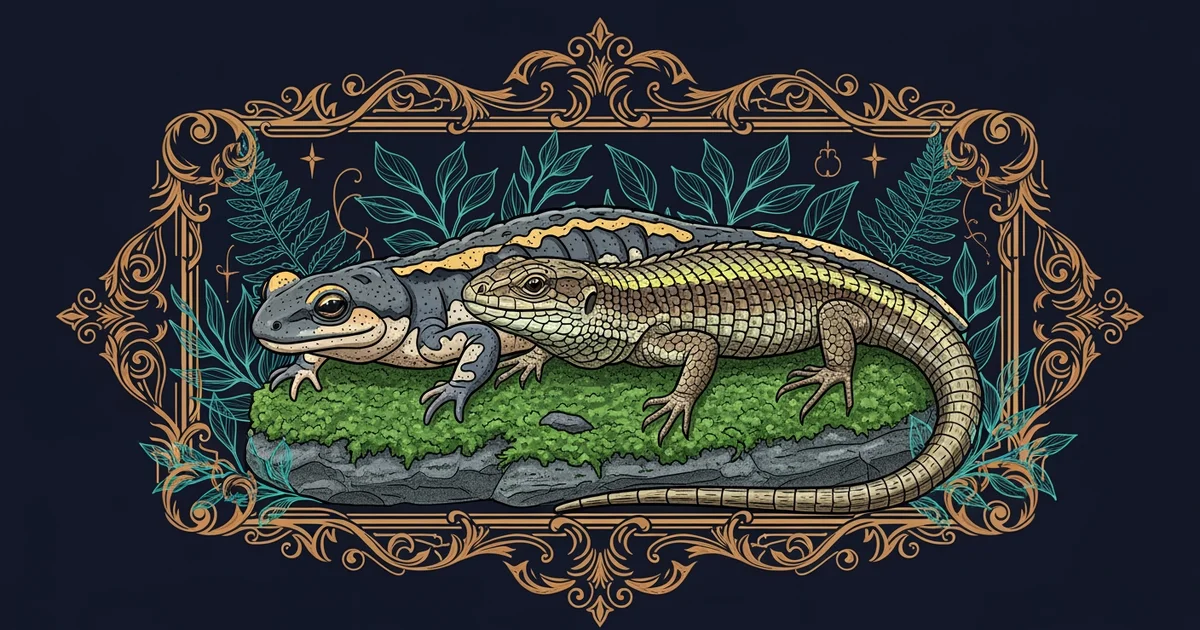
A hungry lizard waits perfectly still on a sun-warmed rock for a passing insect. Meanwhile, a busy toad hops through the damp forest floor to find its next meal. These two animals show us how different species solve the same problem of finding energy in nature. Every reptile and amphibian must balance the cost of searching for food against the potential reward. This choice between sitting and waiting or moving and hunting defines their daily lives. We call these distinct styles ambush hunting and active foraging, and both offer unique benefits.
The Efficiency of Ambush Tactics
Ambush predators prioritize energy conservation above all else by minimizing their movement across the landscape. They pick a high-traffic spot and stay motionless until prey happens to wander directly into their reach. This style is like an investor who buys a stock and waits years for a high return. The predator spends almost no energy while waiting, which allows it to survive long periods without eating. When a meal finally appears, the animal uses a sudden burst of speed to strike. This explosive energy use is only possible because the animal saved its fuel during the long wait.
Key term: Ambush predation — a hunting strategy where the animal remains stationary while waiting for prey to come within striking distance.
This method works best for species that live in environments where food arrives in unpredictable pulses. By staying still, the animal avoids being spotted by its own predators while it watches for movement. The success of this tactic depends entirely on the location chosen by the hunter. If the spot lacks traffic, the animal will starve, so choosing the right rock or branch is critical. The following table highlights the core differences between these two main hunting styles found in nature.
| Feature | Ambush Predator | Active Forager |
|---|---|---|
| Energy Use | Low during waiting | High during searching |
| Movement | Minimal to zero | Constant and steady |
| Prey Type | Mobile and passing | Hidden or stationary |
| Success Rate | High per attempt | Low per attempt |
The Rewards of Active Foraging
Active foragers take the opposite approach by moving through their habitat to locate hidden or stationary prey. These animals act like shoppers who walk through every aisle to find the best deals on food. Because they move constantly, they encounter many more potential meals than an ambush predator would find. This high-activity lifestyle requires a faster metabolism to support the constant searching and hunting behavior. While this burns more energy, it also allows the animal to exploit food sources that are tucked away in crevices.
These active hunters often possess better sensory tools, such as keen vision or a highly developed sense of smell. They need these extra senses to detect prey that is hiding under logs or buried in soil. By searching actively, they can find food even when the environment is not providing easy targets. This flexibility helps them survive in areas where food is scarce or spread out across the landscape. Each strategy represents a unique biological balance that allows these species to thrive in their specific ecological niches.
- Ambush hunting saves energy by reducing the need for constant movement through the environment during the day.
- Active foraging increases the total number of prey encounters by allowing the hunter to explore new areas.
- Metabolic costs dictate which strategy an animal uses because high-activity hunters require more calories to sustain movement.
Both hunting styles serve as essential tools that keep animal populations in check and maintain a healthy environment. By playing these different roles, reptiles and amphibians ensure that energy flows efficiently through their complex natural food webs. Whether they sit and wait or move and hunt, each choice is a finely tuned response to the demands of survival.
Choosing a hunting strategy allows reptiles and amphibians to optimize their energy intake based on their environment and metabolism.
But what does it look like in practice when these animals must change their tactics due to sudden environmental shifts?