
Thermal Regulation Strategies
Imagine a lizard sitting on a sun-drenched rock while the morning air remains biting and cold. This small creature waits for the sun to warm its blood before it can hunt for food. Reptiles use the environment to manage their internal temperature because they lack the internal heating systems found in mammals.
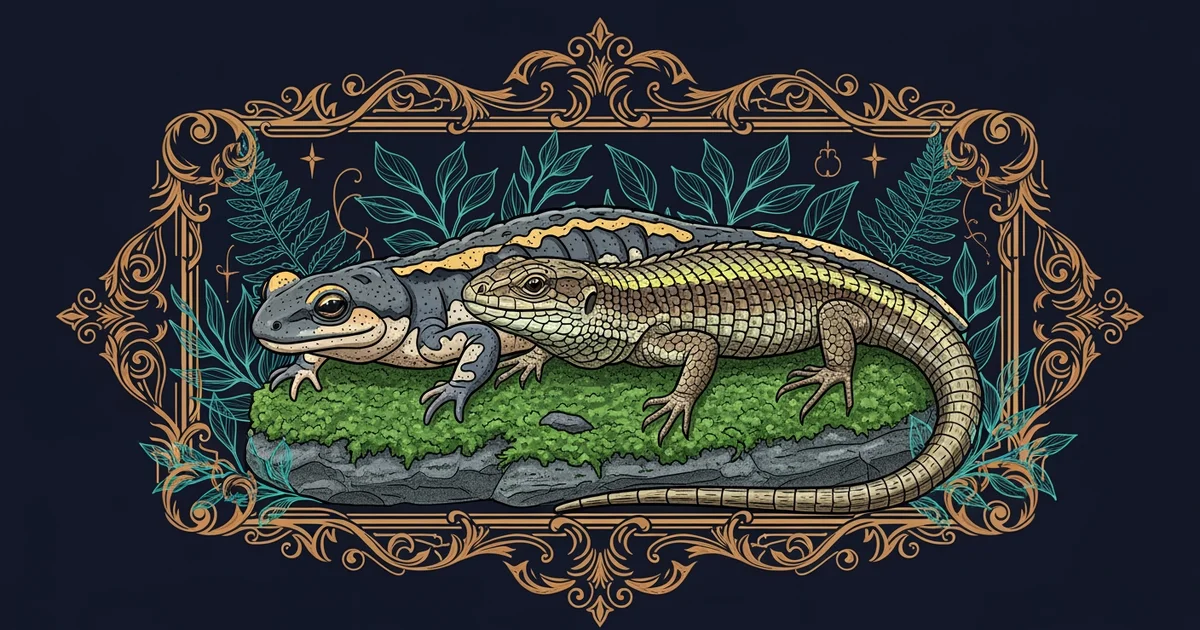
Understanding Ectothermic Thermal Regulation
Most reptiles and amphibians are known as ectotherms, meaning they rely on external heat sources to regulate their body temperature. Unlike humans who generate heat through metabolic processes, these animals must physically move through their environment to find optimal thermal conditions. Think of an ectotherm like a person managing a household budget by strictly adjusting the thermostat based on the current weather outside. If the room becomes too cold, the person must move to a sunny window or seek a heater to stay comfortable. Reptiles behave similarly by shifting their position between shade and sunlight to keep their internal state within a functional range. This behavior is essential for digestion, movement, and reproduction, as their enzymes only work efficiently at specific temperatures.
To manage their internal temperature effectively, reptiles utilize several distinct behavioral strategies throughout the day. These strategies allow them to maintain homeostasis despite the fluctuating temperatures of their natural habitats. The following table outlines the primary methods these animals use to gain or lose heat during their daily cycles:
| Method | Description | Primary Goal |
|---|---|---|
| Basking | Exposing the body to direct sunlight to absorb thermal energy | Increase body temperature |
| Shading | Moving into cool, dark areas to prevent overheating | Decrease body temperature |
| Conduction | Pressing the body against warm surfaces to soak up heat | Stable temperature gain |
Environmental Interactions and Behavioral Control
These strategies often involve complex interactions with the surrounding landscape to ensure survival. When an animal basks, it often orientates its body to maximize the surface area exposed to solar radiation. This simple act of turning toward the sun allows the reptile to absorb heat much faster than if it remained motionless. Conversely, when the environment becomes too hot, the animal will retreat into burrows or crevices where the earth remains cool. These micro-habitats provide a critical buffer against extreme weather conditions that might otherwise prove fatal. By choosing the right spot at the right time, the animal avoids the high energy costs of internal heating while remaining active.
Key term: Heliothermy — the specific behavior where an animal uses solar radiation to raise its body temperature.
Beyond simple movement, some species exhibit physiological changes to enhance their thermal regulation capabilities. For example, some lizards can alter the color of their skin to absorb more or less sunlight throughout the day. A darker skin tone helps the animal absorb more heat during the early morning hours when it needs to warm up quickly. As the day progresses and the sun reaches its peak, the animal may lighten its skin to reflect more light and prevent overheating. This dynamic adjustment demonstrates how reptiles integrate physical behavior with subtle biological responses to maintain their thermal balance. These methods ensure that the animal remains ready to escape predators or capture prey at a moment's notice.
Effective thermal regulation allows these animals to thrive in diverse environments without the constant need for high-calorie food intake. Because they do not spend energy on internal heating, they can survive for long periods without eating. This efficiency makes them masters of their ecological niche, allowing them to occupy areas where food might be scarce. Their ability to manage heat dictates their daily activity patterns, ensuring they remain active when temperatures are favorable. Mastery of these thermal strategies represents a fundamental aspect of their survival in a changing world.
Successful thermal regulation in reptiles depends on behavioral choices that leverage environmental heat sources to maintain necessary physiological functions.
The next Station introduces habitat preference patterns, which determine how these thermal strategies influence where different species choose to live.