
Defining the Herpetology Field
Imagine you are walking through a dense forest and spot a lizard darting across a mossy log. This small, scaly creature is part of a massive, ancient group that has lived on Earth for millions of years. Understanding these animals requires a specialized scientific lens that separates them from the rest of the animal kingdom. This specific branch of biology focuses on the lives, behaviors, and environmental roles of reptiles and amphibians. By studying them, we gain vital insights into how ecosystems function and how life adapts to changing conditions over deep time.
The Scope of Herpetology
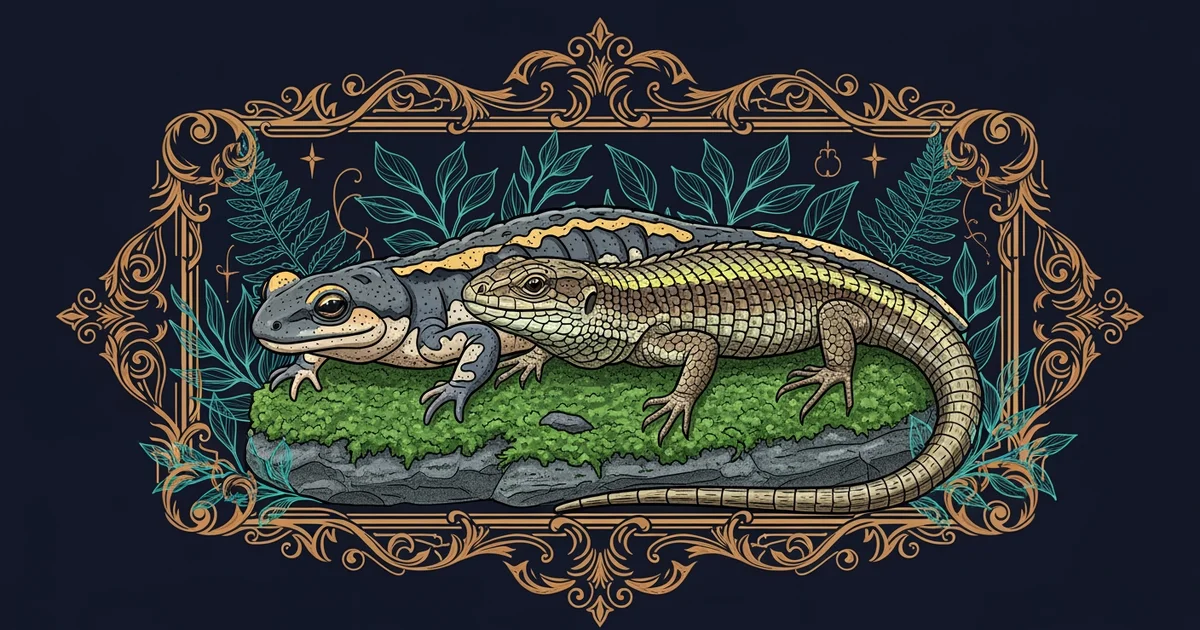
Herpetology is the scientific study of reptiles and amphibians as a combined discipline within the biological sciences. While these two groups look quite different, they share unique physiological traits that make them distinct from birds or mammals. Reptiles are characterized by their dry, scaly skin and their ability to lay eggs on land. Amphibians, by contrast, usually start their lives in water and undergo a dramatic transformation known as metamorphosis. Scientists in this field examine how these animals regulate their body heat and interact with their surroundings. Because they are sensitive to environmental shifts, these creatures often act as indicators of general ecosystem health. If a local population of frogs disappears, it usually signals that the water quality or soil condition has declined significantly.
Key term: Herpetology — the branch of zoology concerned with the study of reptiles and amphibians, including their physiology, behavior, and ecology.
To understand the field, you can think of it like managing a diverse investment portfolio of biological data. Just as a manager must track both stable stocks and volatile assets to understand a market, a biologist must track both land-dwelling reptiles and water-dependent amphibians. Each group provides a different type of information about the environment's stability. If you ignore one group, you lose half the picture of how the local habitat is actually performing. This holistic approach allows researchers to predict how climate changes or human activity might impact these species over the coming decades.
Core Branches and Research Focus
Within this discipline, researchers categorize their work based on the specific needs and biological traits of the animals involved. This structure helps scientists organize their findings into manageable categories that explain life cycles and survival strategies. The primary branches of study generally fall into the following professional focuses:
- Physiological Ecology examines how internal body processes allow these animals to survive in extreme heat or cold without the high metabolic cost of warm-blooded species.
- Conservation Biology focuses on protecting endangered species by identifying critical habitat requirements and preventing the loss of vital breeding grounds for vulnerable populations.
- Behavioral Studies track how these animals use complex signaling, social structures, and territorial displays to secure resources, mates, and safety from predators in their environment.
| Research Focus | Primary Goal | Example Application |
|---|---|---|
| Physiology | Thermal limits | Climate adaptation |
| Conservation | Habitat safety | Population recovery |
| Behavioral | Social patterns | Breeding success |
These branches work together to give us a complete view of how these animals survive in a competitive world. When we analyze these factors, we see that reptiles and amphibians are not just background actors in nature. They are active participants that control insect populations and provide food for larger predators. By studying them, we learn how to protect the delicate balance of our natural world for future generations. This path will provide you with a comprehensive understanding of how these species have evolved and why they remain essential to our planet's ongoing ecological health.
Herpetology functions as a vital scientific framework that uses the unique biology of reptiles and amphibians to monitor and protect the stability of our global ecosystems.
This foundational knowledge prepares you to explore the deep evolutionary history that shaped these fascinating creatures over millions of years.