
Evolutionary History Roots
Imagine a fish struggling to breathe as the shallow pool of water slowly dries under the sun. This desperate moment captures the massive evolutionary pressure that forced early vertebrates to leave the water behind forever.
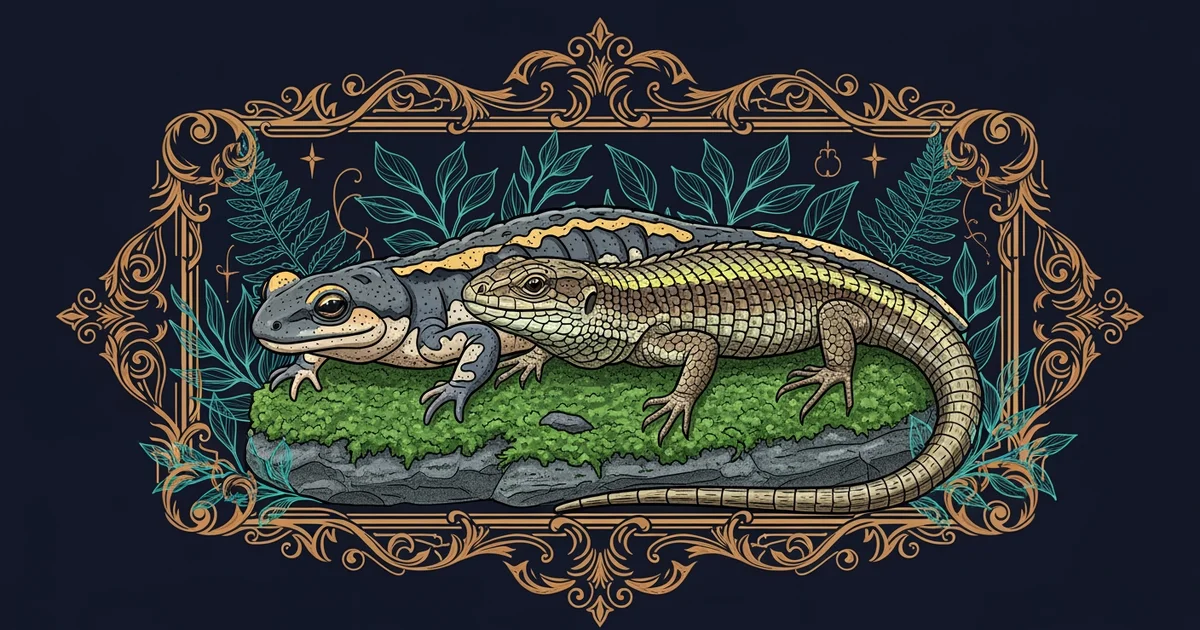
The Transition From Aquatic To Terrestrial Environments
Life began in the oceans where water provided constant support and easy access to dissolved oxygen. As competition for resources grew, some species began exploring the margins of shallow, oxygen-poor coastal zones. These early pioneers developed tetrapods, which are four-limbed vertebrates capable of navigating both land and water environments. This shift required massive changes in physical structure to handle the harsh reality of gravity. Unlike water, which holds the body up, land pulls everything down toward the ground with constant force. To survive, these creatures needed stronger bones and more robust muscles to lift their bodies off the earth. This transition was like moving from a world where you float in a pool to a world where you must build your own scaffolding to stand tall. Without this vital structural adaptation, the ancestors of modern reptiles and amphibians would never have survived the move to a terrestrial lifestyle.
Key term: Tetrapods — four-limbed vertebrate animals that evolved from fish to navigate life on land.
Moving to land required more than just strong legs, as the respiratory systems also needed a complete overhaul. Fish rely on gills to pull oxygen from water, but gills collapse and dry out when exposed to air. Early land-dwellers began to rely on primitive lungs to pull oxygen directly from the atmosphere around them. This change was not immediate, as many early species functioned as transitional forms that used both systems. Think of this process like upgrading a boat to include wheels so it can travel on both water and roads. The vehicle remains the same, but it gains the flexibility to move across different types of terrain. This dual-system approach allowed these animals to exploit new food sources found on land while maintaining a safety net in the water. Over millions of years, the reliance on gills faded as lungs became the primary method for gathering energy.
Evolutionary Adaptations For Dry Land Success
Once these creatures established a foothold on land, they faced the constant threat of losing body moisture. Amphibians solved this by staying near damp areas, but reptiles developed a revolutionary breakthrough in reproduction called the amniotic egg. This specialized structure protects the developing embryo within a waterproof shell that allows for gas exchange. By carrying their own private pond inside the shell, reptiles broke their final tether to aquatic breeding grounds. This development allowed them to colonize dry deserts and forests that were previously unreachable for their ancestors. The following table highlights the key differences between these two groups as they adapted to the challenges of living on land.
| Feature | Amphibians | Reptiles |
|---|---|---|
| Skin Type | Permeable and moist | Scaly and waterproof |
| Eggs | Laid in water | Laid on land |
| Habitat | Mostly aquatic/damp | Mostly terrestrial |
Understanding these shifts helps us see why modern species occupy the specific niches they hold today. Reptiles and amphibians act as the living record of a very long and complex journey toward land. Their survival depends on the same basic strategies their ancestors used to overcome gravity and dehydration. By studying their history, we gain insight into how life changes when faced with extreme environmental pressure. This legacy continues to shape the way these animals interact with their surroundings in our modern world.
The move to land required vertebrates to develop stronger skeletal structures and specialized reproductive methods to survive away from water.
The next station explains how scientists categorize these diverse creatures into specific groups based on their evolutionary history.