
Classification Systems Overview
Imagine you are organizing a massive library where every single book lacks a clear title or index. Without a structured filing system to sort these volumes, finding the specific information you need becomes an impossible chore. Scientists face a similar challenge when they attempt to organize the vast diversity of life on our planet. By using a standardized system, researchers can identify unique traits that distinguish one creature from another. This logical arrangement allows us to understand how different species relate to one another within the natural world. Effective classification acts as a roadmap for discovery by grouping organisms based on their shared physical features and evolutionary history.
Understanding Taxonomic Organization
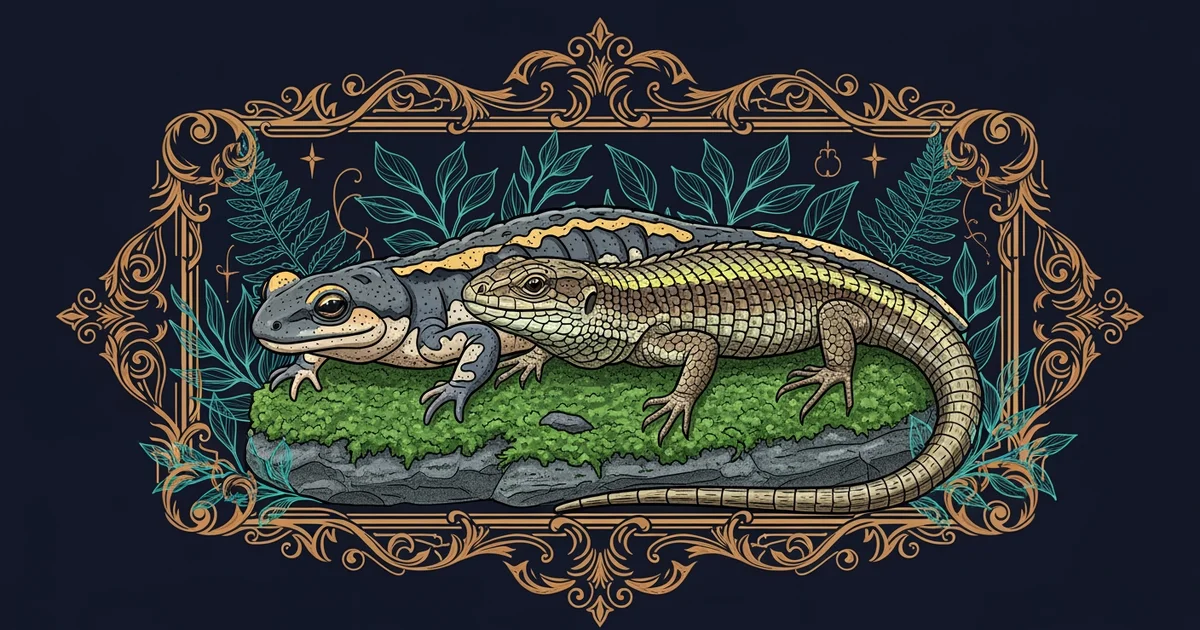
When biologists study reptiles and amphibians, they rely on a formal hierarchy to group these animals correctly. This process starts with broad categories that become increasingly specific as we move down the ladder of life. Think of this system like a digital shopping platform that filters products by category, then by brand, and finally by individual model. Researchers use these categories to ensure that every animal has a precise place within the scientific record. Without these clear boundaries, the study of biological diversity would lack the consistency required for global collaboration. Precise naming conventions allow scientists across the world to communicate about specific species without any confusion or ambiguity.
Key term: Taxonomy — the scientific discipline concerned with naming, describing, and classifying organisms into groups based on shared characteristics.
To keep this system organized, scientists place animals into specific groups based on their physical traits and internal structures. We often focus on the class level when distinguishing between major groups of vertebrates in the wild. The following table highlights the primary differences between the two major classes we study in herpetology today:
| Feature | Amphibians | Reptiles |
|---|---|---|
| Skin Type | Moist and permeable | Dry and scaly |
| Egg Type | Gelatinous and soft | Shelled or leathery |
| Breathing | Gills, lungs, or skin | Lungs only |
This comparison shows how physical traits dictate the environment where each animal can thrive successfully. Amphibians generally require proximity to water sources to prevent dehydration, while reptiles have evolved to survive in drier, terrestrial landscapes. Understanding these distinctions helps ecologists predict how changes in local climate might impact the survival of these sensitive populations.
Distinguishing Major Biological Orders
Beyond the broader class level, scientists look at the order to further refine how we categorize these diverse creatures. An order provides a deeper look at the specific evolutionary path an animal has taken over millions of years. For example, within the class of amphibians, we find distinct groups that differ in their basic body plan and movement. These categories help us recognize the functional role each animal plays in the environment. We can classify these groups based on their unique adaptations:
- Anura represents the order containing frogs and toads, which are characterized by their lack of tails as adults. These animals use powerful hind legs to navigate their surroundings and capture prey in diverse ecosystems.
- Caudata includes salamanders and newts, which maintain a tail throughout their entire life cycle. These creatures often exhibit complex behaviors related to their aquatic or semi-aquatic lifestyles in damp forest environments.
- Squamata comprises the largest order of reptiles, including snakes and lizards, which possess flexible skulls and specialized skin. This group demonstrates incredible diversity in form and habit across almost every continent on the planet.
By focusing on these specific orders, researchers can isolate the factors that contribute to the success of a species. This level of detail allows us to track how certain groups might be struggling due to habitat loss or pollution. When we understand the specific needs of an order, we can better protect the delicate balance of the ecosystems they inhabit. Such knowledge is vital for anyone hoping to preserve the rich biological heritage of our natural world for future generations.
Scientific classification provides a universal framework that allows researchers to organize biological diversity through shared traits and evolutionary history.
Next, we will explore how these distinct classification systems influence the complex life cycles of amphibians in their natural habitats.