
Ecological Niche Roles
In 1998, when the invasive brown tree snake decimated bird populations on Guam, the entire local forest structure began to collapse because the seed dispersal services provided by birds vanished. This event serves as a stark reminder of how specific animals maintain the functional integrity of their native environments through their daily survival activities. When we look at herpetology, we see that reptiles and amphibians act as crucial cogs in the gears of our natural world, performing tasks that keep ecosystems running smoothly.
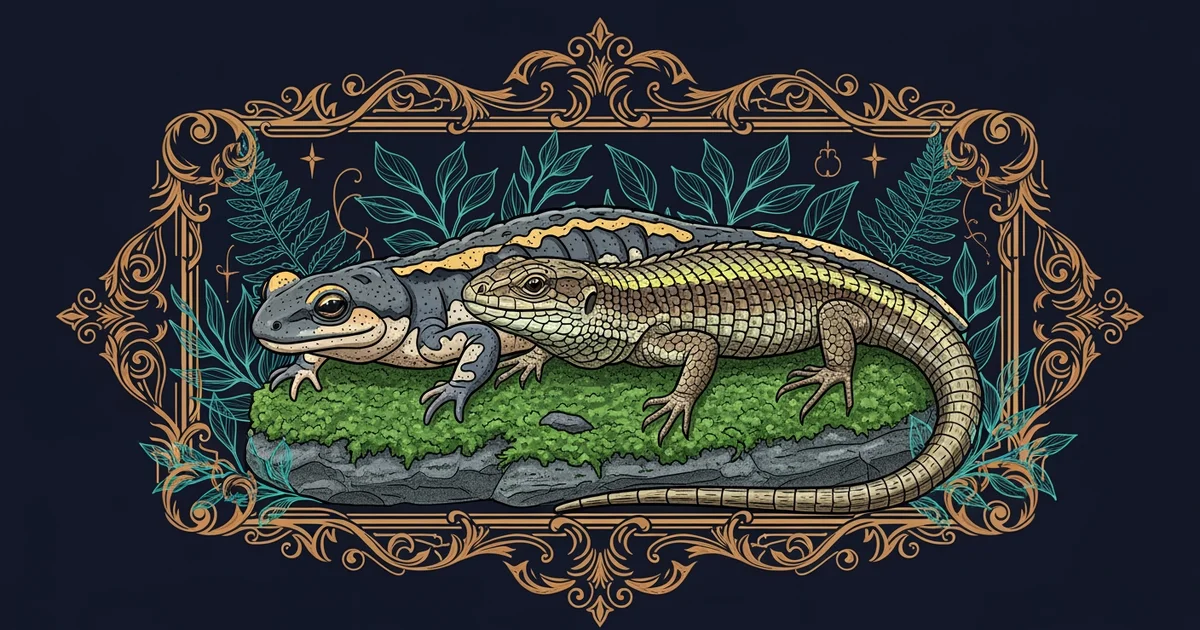
The Functional Roles of Herpetofauna
Every species occupies a specific ecological niche, which is the unique role an organism plays within its habitat to survive and thrive. For many frogs, toads, and lizards, this niche involves being both predator and prey, creating a complex bridge between different levels of the food web. Think of these animals like the middle managers in a large company, who must coordinate resources from above while reporting data from below. Without their active participation in consuming insects and serving as food for larger birds or mammals, the entire energy flow of the ecosystem would stall or become chaotic.
Key term: Ecological niche — the specific role and position a species occupies within an ecosystem, including its interactions with other organisms and its environment.
Amphibians are particularly sensitive to environmental changes, which makes them excellent indicators of overall ecosystem health. Because they often live in both water and on land, they process nutrients in two distinct environments, effectively acting as a biological conveyor belt. By eating vast quantities of mosquitoes and other small invertebrates, they keep pest populations in check, preventing outbreaks that could harm plant life or spread disease. When these animals disappear, the immediate loss of pest control leads to an imbalance that ripples through the entire food chain, impacting everything from soil quality to plant growth rates.
Ecosystem Services and Trophic Interactions
Beyond simple population control, reptiles and amphibians provide essential services that support the broader biological community in ways we often overlook. Some lizards, for example, act as pollinators for specific plants, while others assist in seed dispersal, ensuring that plant populations can migrate or recover after natural disturbances. The following list highlights how these animals maintain balance within their native habitats:
- Predatory amphibians regulate insect populations by consuming large numbers of larvae, which prevents the overconsumption of local vegetation by swarming insects.
- Reptilian herbivores assist in seed dispersal by consuming fruits and depositing seeds in new locations, allowing plant species to colonize and thrive in different areas.
- Amphibian skin secretions often contain unique chemical compounds that may suppress fungal or bacterial growth, which helps maintain the health of their aquatic surroundings.
To understand how these creatures maintain stability, we can compare their roles to the maintenance staff in a skyscraper who ensure the plumbing and air quality remain functional. If the maintenance staff stops working, the building quickly becomes unlivable for everyone else, regardless of how grand the architecture appears. Similarly, if reptiles and amphibians stop performing their niche roles, the ecosystem loses its ability to recycle nutrients and manage its internal population levels effectively. This loss creates a cascade effect where the primary producers, like trees and grasses, eventually suffer from the lack of support services.
| Animal Group | Primary Role | Ecosystem Benefit |
|---|---|---|
| Anurans | Pest Control | Reduces crop damage |
| Lizards | Seed Spread | Promotes forest growth |
| Salamanders | Soil Aeration | Improves water drainage |
This table summarizes how different groups contribute to environmental stability through their daily habits. While their size may seem small, their collective impact is monumental for the health of our planet. By filling these diverse roles, they ensure that energy flows efficiently from the sun into the plants and then through the various levels of the food web. We must recognize that every single species, no matter how small, contributes to the resilience of the natural world against environmental stress.
The stability of an ecosystem relies on the diverse roles played by reptiles and amphibians as they cycle nutrients and manage population levels.
But this model remains fragile because human encroachment often removes these essential species before we fully understand their specific contributions to the environment.