
Future of Chronobiology
Imagine a world where your home lights change color to match your internal biological clock. This technology could soon fix the sleep problems that plague our modern, busy lives. By syncing our environment with our internal rhythms, we might unlock new levels of health and daily energy. Chronobiology moves beyond simple observation to become a tool for active human life management. We are shifting from living against our natural clocks to designing spaces that support them. This change will likely redefine how we work, learn, and rest in the coming decades.
The Promise of Circadian Lighting
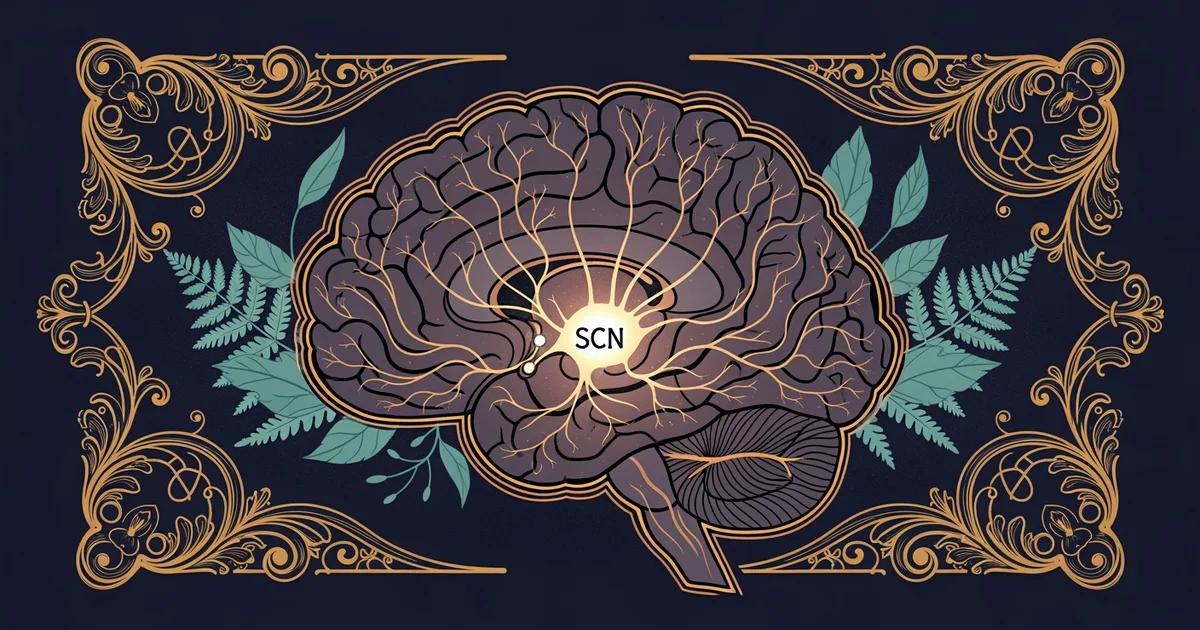
Modern living often forces us to ignore our natural biology for the sake of productivity. We spend our days under harsh office lights and our nights staring at blue screens. These habits disrupt our circadian rhythm, which is the internal process that regulates our sleep and wake cycle. Future smart lighting systems will act like a digital sun inside our homes. These lights will shift their brightness and color temperature to mimic the natural progression of daylight. This shift helps our brains release the right hormones at the right times of the day. By aligning our indoor environment with natural light, we can reduce the stress placed on our bodies by artificial schedules.
Key term: Circadian rhythm — the internal physical, mental, and behavioral changes that follow a twenty-four-hour cycle.
Think of your body like a high-performance car that requires specific fuel at specific times. If you put the wrong fuel in the tank, the engine begins to sputter and eventually fails. Artificial light at the wrong time is like putting low-grade fuel into a high-performance engine. Smart lighting acts as a precision fuel management system for your internal biology. It ensures that your brain receives the correct signals to stay alert during the day. It also signals your body to wind down when the sun finally sets.
Integrating Biological Data into Daily Life
We are moving toward a future where personal health data guides our daily choices. Wearable devices already track our heart rate and sleep quality with great accuracy. Soon, these devices will sync directly with our home environments to create custom settings. This integration allows our living spaces to react to our specific biological needs in real time. If your device detects high stress, your home might adjust the lighting or sound to help you recover. This creates a feedback loop where our environment learns how to keep us healthy. We will stop guessing what our bodies need and start using data to make informed decisions.
Potential Benefits of Chronobiology Technology
| Feature | Current State | Future Impact |
|---|---|---|
| Lighting | Static manual control | Automated adaptive cycles |
| Sleep | Fragmented and poor | Optimized by environment |
| Health | Reactive treatment | Proactive daily support |
We must also consider how these technologies might change our social structures and work life. Companies could adjust office hours to match the peak performance times of their employees. This shift could lead to higher job satisfaction and better overall mental health outcomes. However, we face an open question regarding how to balance individual needs with collective schedules. Research communities are still debating if we can truly personalize the world without creating social isolation. We need to find ways to support individual clocks while keeping our communities connected and functional.
Our ability to manipulate our environment brings both great power and significant responsibility. We must ensure these tools serve to improve human well-being rather than just boosting output. The future of chronobiology is not just about smarter machines or brighter lights. It is about creating a world that respects the deep biological roots of human existence. By honoring our internal clocks, we can build a future that is both productive and deeply sustainable for our health.
The future of chronobiology relies on creating smart environments that actively align our external surroundings with our internal biological needs to improve health.
Understanding how these future technologies interact with our daily lives provides a foundation for better personal health management in a modern world.