
Cellular Oscillators
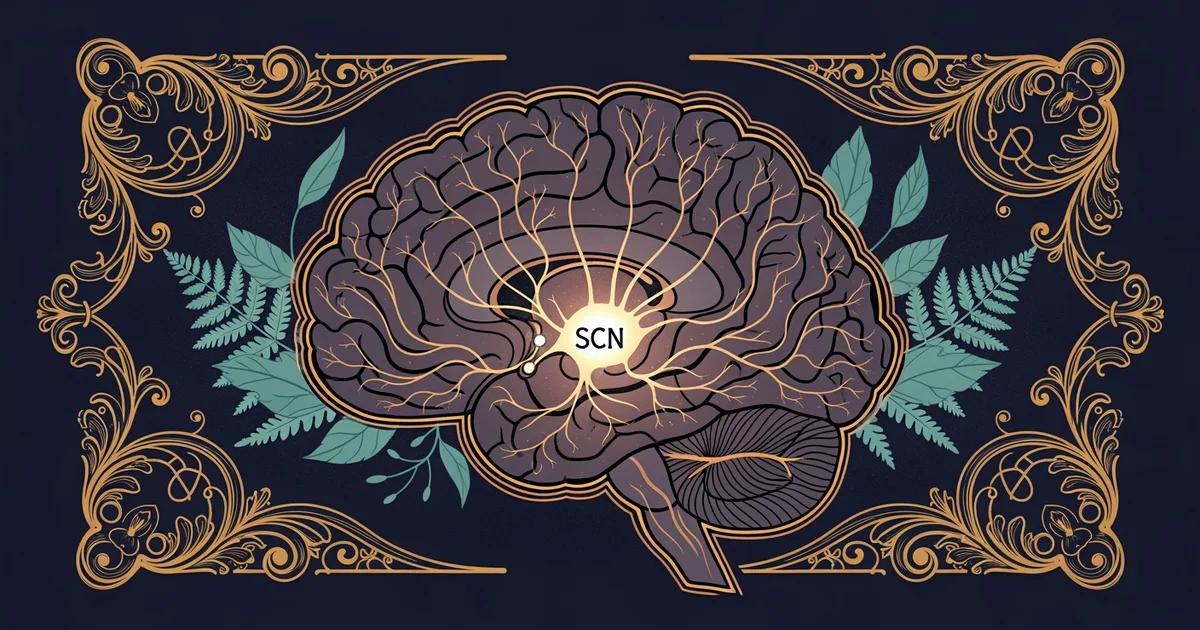
Imagine your home has one main electrical breaker box controlling every single light and appliance. If that main box fails, your entire house goes dark, but your neighbor still has power because their house runs on a separate system. Your body functions in a very similar way by using a hierarchy of timekeeping mechanisms to manage daily biological rhythms. While the brain acts as the central command center for your internal timing, every tissue in your body contains its own independent clock. These local timers are known as cellular oscillators, and they ensure that specific organs perform their essential duties at the correct time of day. Without these local clocks, your liver, heart, and lungs would struggle to coordinate their metabolism with your actual sleep and wake cycles.
Understanding Local Timekeeping
Cells operate like tiny factories that must follow a strict production schedule to remain efficient. Each cell contains a set of clock genes that turn on and off in a predictable, repeating loop. This process creates a self-sustaining rhythm that persists even when the central brain clock is removed or silenced. Think of a large orchestra where the conductor sets the tempo for the entire group of musicians. Even if the conductor stops waving their baton, the individual violinists and drummers know their own sheet music well enough to keep playing for a while. These local clocks allow cells to anticipate daily changes in temperature, nutrient availability, and physical activity levels before they actually occur.
Key term: Cellular oscillators — the autonomous molecular mechanisms within individual cells that generate rhythmic patterns of gene expression independent of the central brain clock.
Peripheral Clock Distribution
These clocks are not limited to one specific area but exist in almost every tissue throughout your body. Your liver, for example, uses its internal clock to prepare for digestion before you even take a single bite of food. This anticipatory behavior helps the body process glucose and fats more effectively during active hours than during rest. The following table highlights how different organ systems utilize these rhythms to maintain overall physiological health and internal balance:
| Organ System | Primary Rhythmic Function | Benefit of Local Timing |
|---|---|---|
| Liver | Glucose metabolism | Efficient energy storage |
| Heart | Blood pressure regulation | Cardiovascular protection |
| Pancreas | Insulin secretion | Balanced blood sugar |
By keeping these processes on a strict schedule, your body avoids the chaos of performing conflicting tasks at the same time. If your liver tried to store sugar while your muscles were demanding high-speed energy, your internal systems would quickly become overwhelmed and inefficient. This local control ensures that every part of your body knows exactly what to do based on the time of day.
Synchronization and Coordination
While these peripheral clocks are independent, they do not function in total isolation from the rest of the body. The central brain clock sends out signals through hormones and nerve impulses to keep all these local timers aligned. This process is like a master clock in a train station that keeps all the individual pocket watches of the passengers perfectly synchronized. If the central signal becomes weak or inconsistent, the local clocks can drift out of phase with one another. This misalignment often happens during shift work or frequent jet lag, leading to internal confusion that affects your performance and health. Maintaining a strong connection between the master clock and these smaller oscillators is essential for long-term well-being.
- Gene expression loops: Cells use feedback loops where protein products inhibit their own production, which naturally creates a cycle of rising and falling levels over twenty-four hours.
- Metabolic feedback: Local cells sense the presence of nutrients like glucose and amino acids to adjust their internal timing, ensuring that energy processing aligns with food intake.
- Temperature sensitivity: Most cells can detect tiny changes in their local environment, using heat fluctuations to reset or fine-tune their internal clocks throughout the day.
Cellular oscillators function as independent molecular timers that allow individual organs to anticipate daily needs and coordinate metabolic activity locally.
The next Station introduces Gene Expression Cycles, which determines how these oscillators translate time into physical protein production.