
Light and Dark Cycles
Imagine waking up in a room with no windows while your body still knows exactly when the sun rises. Your internal system tracks the light and dark cycles of the planet without needing a single glance at the sky.
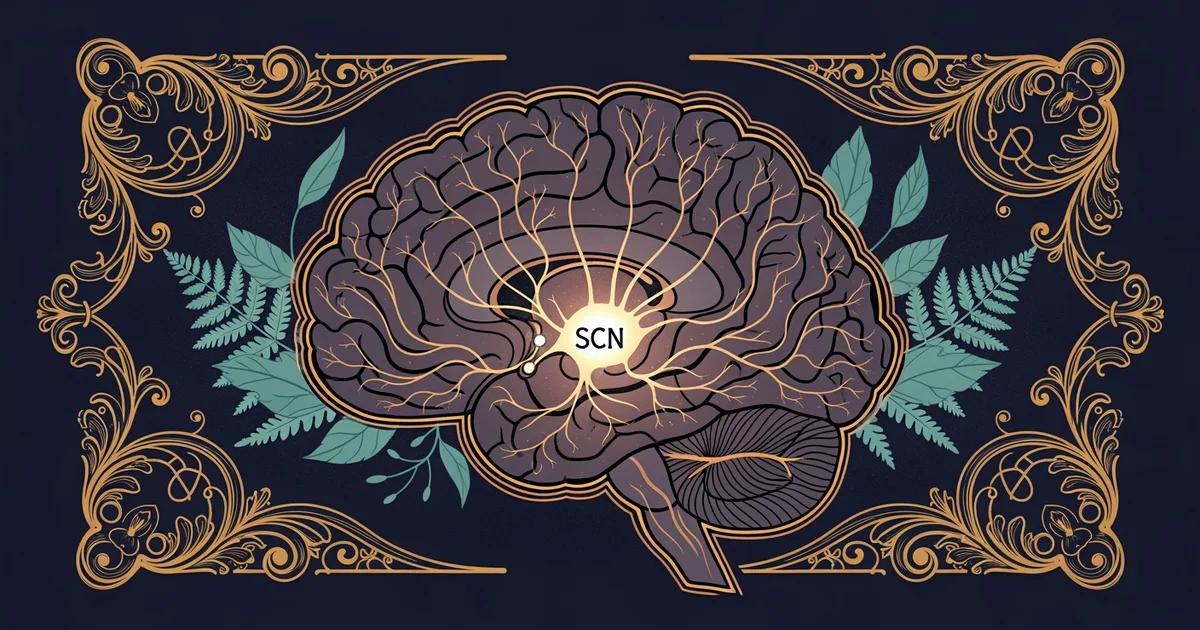
Solar Cycles and Biological Rhythms
Most living things on Earth evolved under the constant pressure of the rotating sun and moon. This predictable cycle of light and dark acts like a cosmic metronome for every single living cell. Plants open their leaves to catch the morning rays while nocturnal animals begin their hunts under the cover of darkness. This behavior is not random because it follows a strict rhythm that matches the rotation of our planet. When the sun hits the horizon, it triggers a cascade of chemical signals that adjust our internal functions. Think of this process like a home heating system that uses a thermostat to manage energy costs. Just as a smart thermostat lowers the heat when you are asleep to save power, your body slows down its metabolism during the dark hours. This energy management ensures that you have enough fuel to perform your tasks when the sun returns. Without these cycles, your body would waste precious energy by staying alert when it should be resting.
Key term: Circadian rhythm — the natural twenty-four-hour cycle that regulates physical and mental processes in most living organisms.
Adapting to Daily Environmental Shifts
Because the planet rotates once every twenty-four hours, life has developed specialized ways to predict these shifts before they happen. Animals do not wait for the sun to set before they start looking for a safe place to sleep. Instead, they rely on their internal clock to initiate the move toward shelter well before the temperature drops. This proactive behavior is a huge advantage because it prevents them from being caught unprotected in the cold night air. You can see this same pattern in your own life when you feel tired at the same time every evening. Your body is preparing for the dark cycle by releasing hormones that promote sleep and lower your core temperature. These changes ensure that your system is ready for rest long before you actually lie down in your bed.
To understand how different organisms manage these cycles, we can look at the following daily behavioral shifts:
- Diurnal creatures increase their activity levels when light is present because they rely on vision to find food and avoid danger.
- Nocturnal animals shift their peak performance to the dark hours to minimize competition with other species that also need sunlight.
- Crepuscular organisms focus their main activities during the dawn and dusk hours to escape the harsh heat of midday or the deep cold of midnight.
These patterns exist because every species must balance its need for energy with the risks found in its specific environment. If an animal ignored these light cycles, it would likely fail to survive because it would be active at the wrong time of day.
The Efficiency of Internal Timing
Managing your energy through these cycles is like running a business with a strict daily schedule for all employees. If everyone arrived at the office at random times, the company would never finish its projects on time. By having a set start and end time, the organization ensures that all work happens when the team is most productive. Your body functions in the same way by grouping its most demanding tasks into the daylight hours. During the dark, it switches to maintenance mode to repair cells and clear out waste products from the day. This division of labor makes the human body incredibly efficient at maintaining health over a long lifespan. If you disrupt these cycles, you essentially force your body to work overtime without the proper tools or rest. This lack of coordination leads to poor performance and long-term health issues that are hard to correct later in life.
Biological clocks allow organisms to anticipate environmental changes and optimize their energy usage by aligning internal processes with the predictable rotation of the planet.
The next step in our journey explores how the brain houses a master clock to coordinate these various signals into a single unified rhythm.