
Shift Work Health
When factory workers at the massive automotive assembly plant in Detroit rotate through night shifts every two weeks, they often struggle to maintain their health. This constant rotation prevents their internal clocks from ever settling into a steady rhythm, creating a state of chronic conflict between their biological needs and their professional duties. This is a clear example of circadian misalignment, a concept introduced in Station 1, which causes the body to fight against its own natural programming.
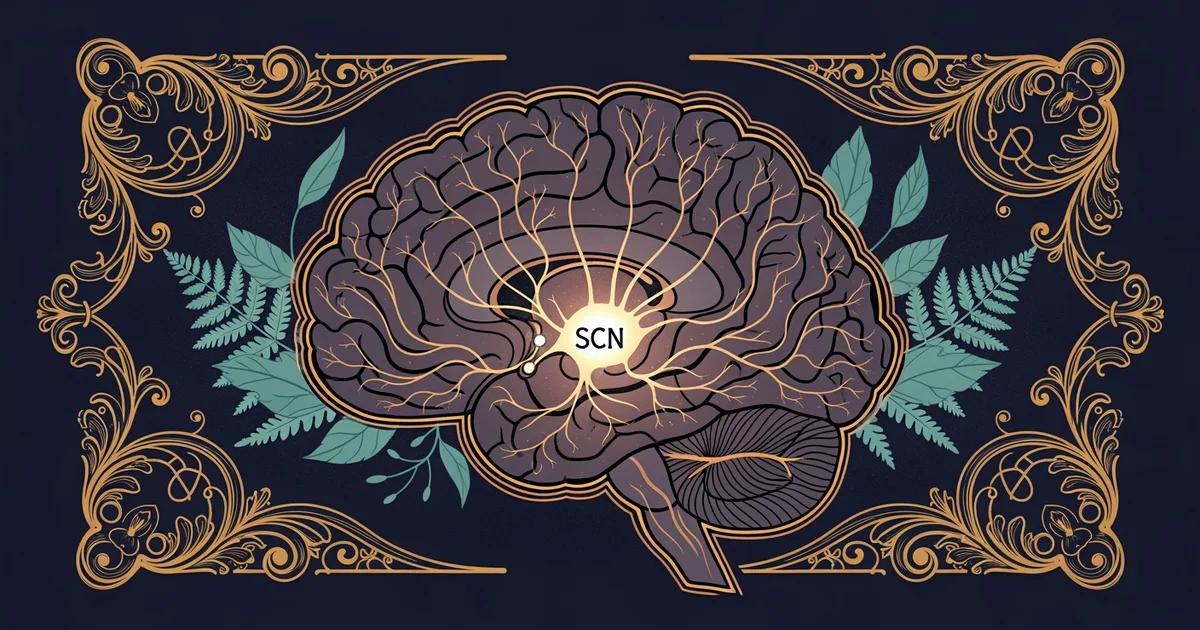
The Physiological Cost of Night Work
Working during the dark hours forces the human body to operate in direct opposition to its ancient, light-driven design. The brain expects to trigger sleep when the sun sets, but shift workers must instead remain alert and productive. This mismatch disrupts the production of vital hormones like melatonin, which usually prepares the body for deep rest. Without this hormonal signal, the body remains in a state of high alert, increasing stress levels and preventing the restorative processes that occur during nighttime sleep. Think of this as trying to run a high-performance engine while the cooling system is turned off, which eventually leads to internal overheating and system damage. Much like an engine that requires specific maintenance at set intervals, the human body needs consistent dark periods to repair cellular damage and regulate metabolic functions effectively.
Health Risks of Irregular Schedules
When these workers maintain irregular schedules for many years, their long-term health prospects often decline significantly. The body struggles to process food properly during the night, leading to issues with digestion and weight management. Researchers have observed several specific health risks that frequently appear in populations working night shifts:
- Metabolic syndrome develops when the body loses its ability to regulate blood sugar levels, which often happens because the digestive system is active when it should be resting.
- Cardiovascular strain increases because the heart rate and blood pressure do not drop to their normal low levels during the day, keeping the system under constant pressure.
- Immune suppression occurs as the natural cycle of white blood cell production is interrupted, leaving the body less capable of fighting off common infections or viruses.
These issues are not just temporary inconveniences but represent deep systemic failures that occur when the internal clock is ignored. Each of these risks highlights how essential the synchronization between our external environment and our internal biology truly is for basic human survival.
Strategies for Biological Management
Managing the impact of these schedules requires a deliberate approach to light exposure and social planning. To minimize the damage, workers should try to block out all natural light during their daytime sleep to simulate a dark environment. This helps the brain produce necessary hormones despite the sun being high in the sky. Additionally, workers should avoid heavy meals during the late-night hours when the digestive system is least efficient. By choosing light, nutrient-dense snacks, they can reduce the metabolic burden on their organs during the night. Furthermore, maintaining a consistent schedule even on days off helps the body stabilize its internal rhythm, preventing the constant jet-lag feeling that comes from frequent shifts in timing. If a worker can anchor their sleep to a specific window, the body will eventually learn to adapt to the new pattern, even if it is not the natural one.
Key term: Circadian misalignment — a state where the body's internal biological clock is out of sync with the external environment due to irregular sleep or light exposure.
Comparing Shift Patterns
| Shift Type | Impact on Clock | Recovery Time | Health Risk Level |
|---|---|---|---|
| Fixed Night | Moderate | Long-term | High |
| Rotating | Severe | Impossible | Very High |
| Fixed Day | Minimal | Immediate | Low |
This table illustrates how different work structures affect the body's ability to maintain homeostasis. Fixed night shifts allow for some adaptation, but rotating schedules prevent the body from ever finding a stable baseline. This lack of stability is why rotating shift work is considered the most dangerous for long-term health outcomes. By understanding these patterns, workers can make informed decisions about their schedules and their personal health management.
Biological health depends on the alignment of our internal rhythms with our external environment to ensure long-term stability.
But this model of biological management breaks down when the demands of modern society require constant, twenty-four-hour availability.