
Plant Cell Anatomy
Imagine a bustling city that generates its own power and manages its own waste systems. Plants function exactly like this, using tiny structures to sustain life on our planet. While animal cells might seem similar, plant cells contain unique parts that allow them to thrive without moving. Every green leaf you see holds millions of these complex factories working in harmony. Understanding these parts helps us see how plants turn simple light into the fuel for life.
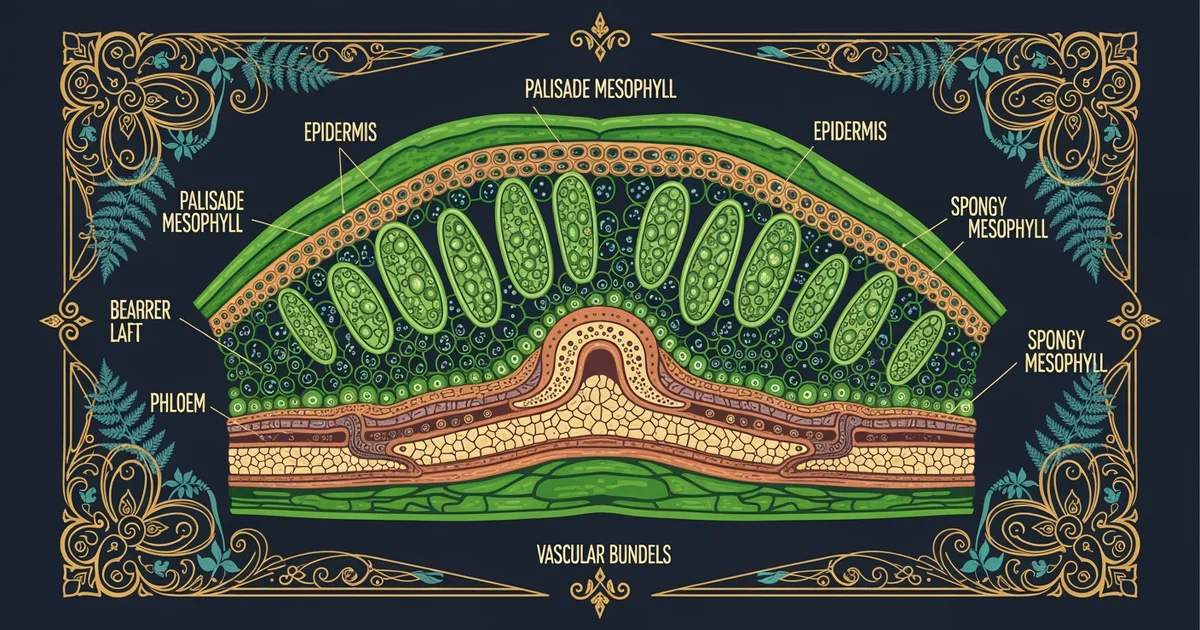
The Architecture of Plant Cells
Plant cells rely on a rigid outer layer known as the cell wall to maintain their shape. This structure acts like the sturdy frame of a building, providing support against gravity and external pressure. Without this wall, plants would collapse into a pile of soft tissue rather than standing tall. Inside this frame, the cell maintains internal pressure to stay firm and upright. This pressure, called turgor, is essential for the plant to reach toward the sun. You can think of the cell wall as the outer brickwork of a house that protects everything inside from the elements. It ensures the plant remains stable even when the environment changes throughout the day.
Just inside the wall, the cell membrane acts as a smart gatekeeper for the entire system. It controls which materials enter the cell and which waste products leave the inner space. This selective barrier ensures that the internal environment remains stable despite fluctuations in the outside world. The membrane regulates the flow of water and nutrients to keep the internal metabolism running smoothly. It is the security guard that only allows invited guests to enter the living space. By managing these exchanges, the membrane prevents the cell from losing vital resources to the surrounding soil or air.
Specialized Organelles for Energy Production
Deep within the cell, the chloroplast serves as the primary engine for converting light into energy. These green structures capture photons and transform them into chemical bonds that the plant uses for growth. This process is the foundation of the food chain, as it creates the sugar that sustains almost everything else. Think of chloroplasts as solar panels on a roof, collecting energy from the sun to power the entire building. Without these organelles, the plant could not produce its own food, and the cycle of life would eventually stop. These small units are the reason plants appear green and why they can survive in diverse locations.
To keep these processes organized, the cell uses several distinct components that perform specific tasks:
- The nucleus houses the genetic instructions that dictate how the plant grows and reproduces over time.
- The large central vacuole acts as a storage tank, holding water, nutrients, and waste to balance volume.
- The mitochondria function as power plants, breaking down sugars to release energy for the cell to use.
- The cytoplasm provides a jelly-like medium where all these organelles float and interact with each other.
By dividing tasks among these organelles, the cell operates with high efficiency and maintains its health. Each part plays a critical role in ensuring the plant can grow, repair damage, and respond to environmental signals. This division of labor allows the cell to handle multiple complex chemical reactions at the exact same time. When these systems work together, the plant can successfully convert sunlight into the energy needed for its survival.
Plant cells function as self-contained biological cities that use specialized organelles to convert solar energy into usable fuel for growth.
Next, we will explore how these energy-production systems facilitate the complex process of photosynthesis in plants.