
Defining the Plant Kingdom
Imagine you are standing in a lush forest watching light filter through the dense canopy above. You might wonder how the giant trees around you manage to grow so tall without ever eating a meal. Unlike animals that must hunt or forage for food, plants possess a unique ability to create their own fuel. They act like tiny, solar-powered factories that turn simple sunlight into the energy required for life. This process is the foundation for almost every food chain found on our planet today.
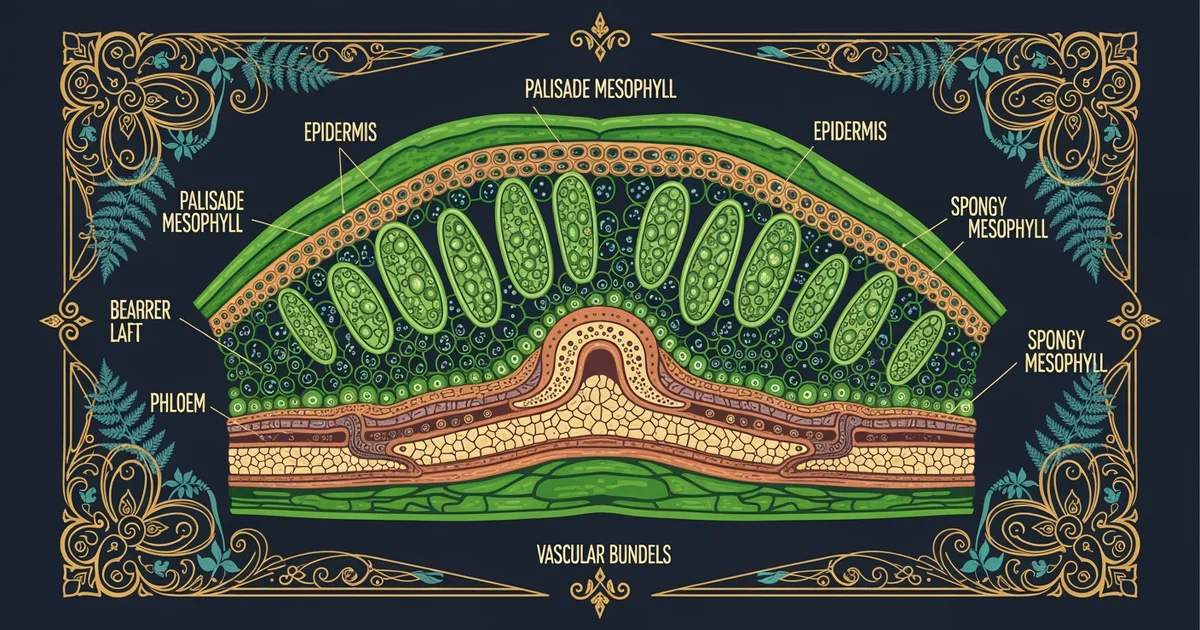
The Unique Nature of Plant Life
Plants are distinct from animals because they do not move around to find their nutrition. Instead, they remain rooted in one spot while they gather resources from their immediate environment. This stationary lifestyle requires a different strategy for survival compared to organisms that hunt or scavenge. Plants use photosynthesis to capture light energy and convert it into chemical sugars. This internal production method allows them to thrive in places where animals might starve due to a lack of available prey. By staying in one place, they dedicate their energy to growing leaves and roots rather than muscles. This shift in energy usage defines how plants interact with the world and occupy their specific ecological niches.
Think of a plant as a small business that generates its own income through a solar panel array. An animal is more like a consumer who must go out to the store to purchase goods using money. The plant does not need to trade or hunt because it produces its own wealth from the sun. This self-sufficiency makes plants the primary producers in almost every ecosystem on the face of the Earth. Without this ability to create energy from light, most other life forms would lack the base materials needed to survive. Plants essentially form the economic engine that supports the entire web of life through their constant production.
Identifying Key Plant Characteristics
To identify a plant, you must look for specific traits that set them apart from fungi or bacteria. These organisms have cell walls made of a material called cellulose which provides structural support. This rigid outer layer allows plants to stand upright against the pull of gravity without having a skeleton. While animals rely on bones to keep their shape, plants use this tough material to build tall stems. This structural difference is a major reason why plants can inhabit such a wide variety of environments across the globe. You can compare these characteristics using the table below to see how they differ from other major groups of living things.
| Feature | Plants | Animals | Fungi |
|---|---|---|---|
| Energy Source | Sunlight | Other organisms | Decomposed matter |
| Cell Wall | Cellulose | None | Chitin |
| Movement | Stationary | Mobile | Stationary |
These traits work together to ensure that plants remain the dominant life form in most terrestrial landscapes. Their cell walls protect them from damage while their internal factories keep them fueled through changing seasons. By combining these unique physical structures with their metabolic skills, plants have adapted to almost every climate on Earth. Understanding these foundational traits helps us see why they are the essential building blocks for all complex ecosystems. This path will show you how plants shaped the world and why their survival remains tied to our own future.
Plants thrive by using sunlight to create their own chemical fuel, which supports nearly all other life on Earth.
By the end of this path, you will understand the deep history of botany and how these organisms evolved to dominate our planet.