
Invasive Species Dynamics
When the brown tree snake arrived on the island of Guam inside cargo planes, it quickly decimated the local bird population because those birds had no natural defense against this new predator. This is a clear example of how human movement disrupts the delicate balance of nature, much like a sudden visitor at a quiet dinner party who decides to rearrange all the furniture. This event illustrates the invasive species concept from Station 10, where non-native organisms thrive in new regions because they lack the natural enemies that usually keep their populations in check within their original habitats.
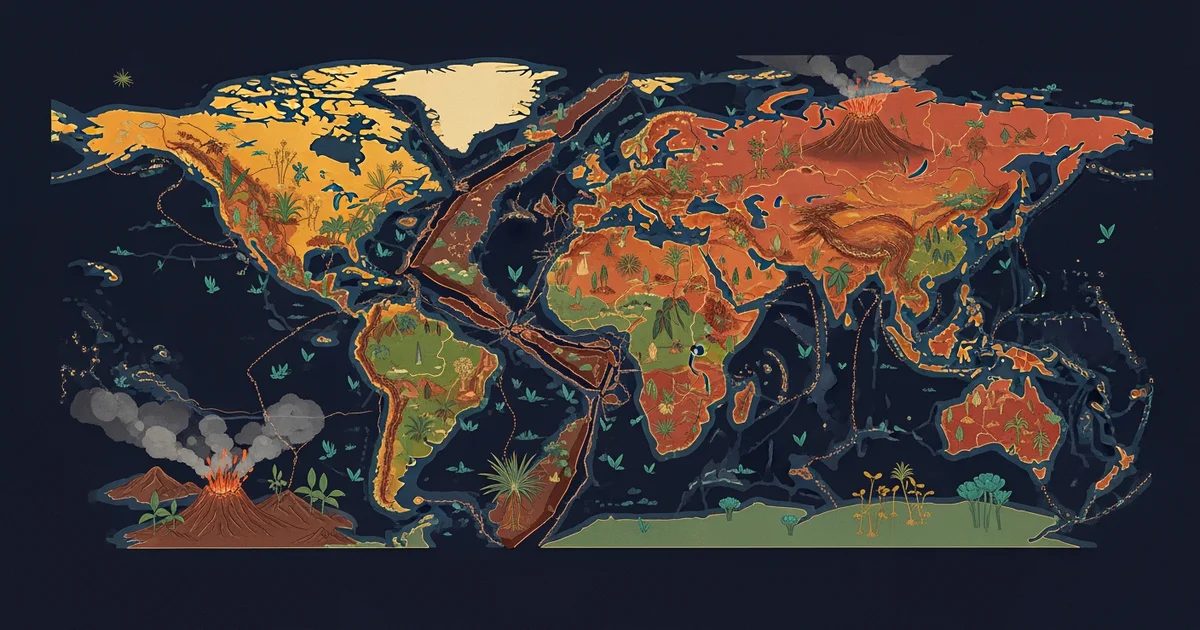
The Mechanism of Biological Invasion
Human activity acts as a global conveyor belt that carries plants, animals, and microbes across natural barriers like oceans or mountain ranges that once kept them isolated. When these organisms land in a new environment, they often find abundant resources and few competitors, which allows them to reproduce at an alarming rate. This rapid growth creates a massive imbalance that forces native species to struggle for basic necessities like sunlight, water, and food. The invaders do not necessarily act with malice, but their presence forces a fundamental shift in how the local ecosystem functions and how its members survive.
Key term: Invasive species — a non-native organism that causes ecological or economic harm to the environment it has invaded.
This process is similar to a business that enters a new market with unlimited funding and no local competition, allowing it to take over the entire industry before existing shops can adjust. The native species, which evolved over millions of years to fit specific roles, suddenly find their niche occupied by a newcomer that does not play by the established rules. Because the invader lacks natural predators, it can grow without the typical checks and balances that maintain stability in its home range. This lack of resistance is the primary driver of the damage we observe in ecosystems across the globe.
Ecological Impacts and Management
Once an invasive species becomes established, its influence on the landscape often becomes permanent and extremely difficult to reverse through human intervention. These organisms can fundamentally alter the chemistry of the soil, change the frequency of natural fires, or outcompete native plants for essential pollinators. The following table highlights the common strategies used by managers to control these populations when they threaten to overwhelm a local ecosystem.
| Control Method | Primary Goal | Typical Application |
|---|---|---|
| Physical Removal | Direct reduction | Trapping or pulling |
| Chemical Control | Population limit | Pesticide application |
| Biological Agent | Natural balance | Introducing predators |
Managers must carefully weigh the risks of each method because introducing a new predator to control an invasive species can sometimes create a secondary problem. This is a classic dilemma in conservation biology where the cure might eventually become just as harmful as the original infection. Scientists work to predict these outcomes using complex models, but the unpredictable nature of biological systems means that every intervention carries a degree of uncertainty that we must manage with extreme caution.
Beyond the direct harm to other living things, the economic cost of managing these invasions reaches into the billions of dollars every single year. From protecting agricultural crops to maintaining water infrastructure, the impact of these species touches every aspect of our daily lives and requires constant vigilance. We must understand these dynamics to protect the remaining biodiversity that sustains our planet and ensures a healthy future for all living things. The history of the Earth is written in the movement of species, and our modern era is simply the latest chapter in that ongoing story of change.
Human movement creates artificial pathways for species to invade new ecosystems, leading to the rapid displacement of native organisms and the destabilization of natural biological balances.
But this model of static range expansion becomes significantly more complex when we consider how global climate change actively alters the suitability of habitats for both native and invasive species.