
Climatic Influence Zones
Imagine you are planning a garden that must thrive without any human help or intervention. You would quickly notice that certain plants only grow in specific spots where the heat and rain feel just right. This natural selection of location is the core of how life spreads across our massive, diverse planet. Plants act as living sensors that tell us exactly what the local climate is like over long periods. By watching where trees and flowers grow, we can map out the hidden boundaries of the earth.
The Logic of Temperature Ranges
Temperature acts as a strict gatekeeper for every living thing on the surface of the earth. Most plants have a specific range of heat they can handle before their internal systems fail. If the air stays too cold for too long, the plant cannot move water through its stems to survive. If the air gets too hot, the plant loses moisture faster than it can replace it from the soil. Think of these temperature zones like a budget for a business trip. A traveler has a set amount of money to spend on hotels and food during their stay. If the cost of the trip exceeds the budget, the traveler must leave or change their plans. Plants operate under a strict energy budget that limits where they can set up a home.
Mapping the Climate Influence Zones
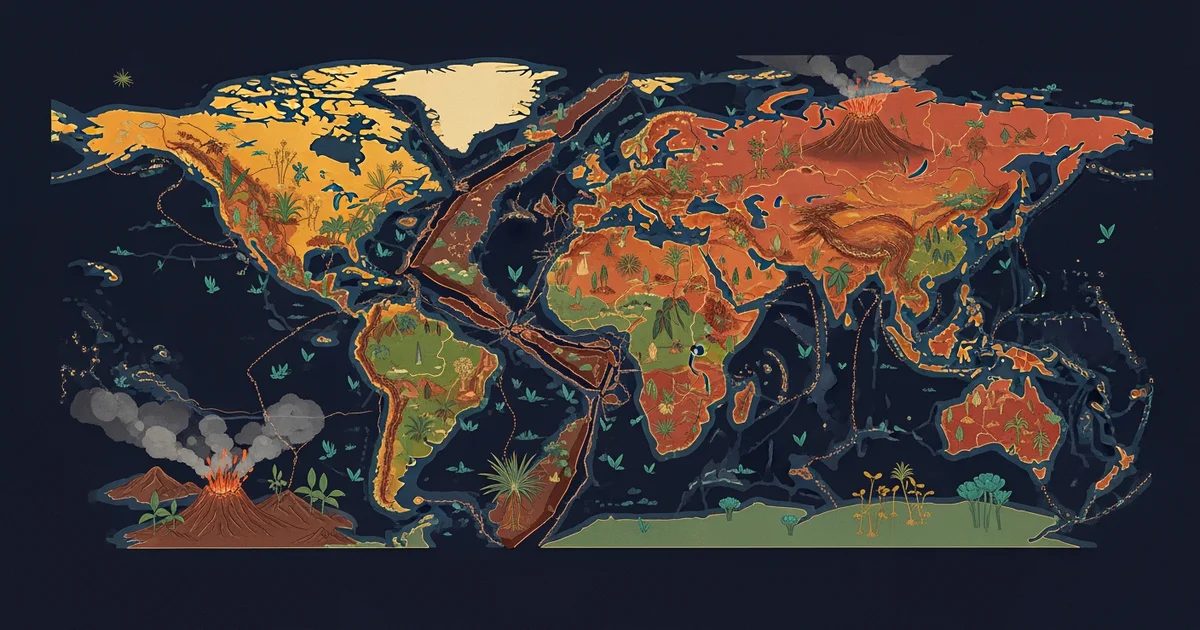
Nature groups these temperature zones into large regions that wrap around the globe like giant belts. These zones are defined by how much sunlight hits the ground and how much water stays in the air. We can categorize these regions based on their primary traits to understand why different life forms appear in specific areas.
| Zone Type | Primary Trait | Typical Plant Survival |
|---|---|---|
| Tropical | Constant heat | Dense, broad leaves |
| Temperate | Seasonal change | Deciduous trees shed |
| Polar | Extreme cold | Small, hardy mosses |
Each zone forces plants to adapt in ways that allow them to hold onto their energy. Tropical plants spend their budget on rapid growth because the warm sun provides plenty of fuel. Polar plants save their budget by growing very slowly and staying low to the ground to avoid freezing winds. These survival strategies define the look and feel of every landscape we encounter on our travels.
Key term: Biogeography — the study of how living things are distributed across the earth and why they occupy specific regions.
Plants must manage their resources to survive within these defined climate influence zones throughout their life cycle. A plant that thrives in a desert has evolved to store water like a bank account for dry times. Meanwhile, a plant in a rainforest has no need to save water because the supply is always high. This difference in water management is a direct result of the climate zone where the plant evolved. Because these zones remain stable for thousands of years, plants have plenty of time to specialize. If the climate shifts too fast, the plant cannot update its budget in time to survive the change. This creates a fragile link between the health of the plant and the stability of the local weather patterns.
When we look at the world, we see that life is not spread out in a random way. The patterns of where trees and shrubs grow tell us about the history of the soil and the air. We can use these patterns to predict how life might change if the climate continues to shift. Understanding these zones helps us see the earth as a series of connected rooms. Each room has its own set of rules for who can live there and how they must behave to stay healthy. By learning these rules, we gain a better view of how the planet maintains its balance over time.
The specific range of temperature and moisture in a region acts as an energy budget that determines which plants can survive and thrive in that environment.
Next, we will explore how plants and animals actively move across these zones to find new homes.