
Ecological Niche Modeling
Imagine trying to predict where a rare bird might move if the local forest suddenly dries up. You would look at its favorite food sources, the temperature it prefers, and the physical space it requires to nest safely. This process of mapping the potential home of a species is not just guesswork, but a precise science. Researchers use complex software to determine where creatures can survive based on their environmental needs. By understanding these requirements, scientists can anticipate how nature might shift when the climate changes or habitats vanish.
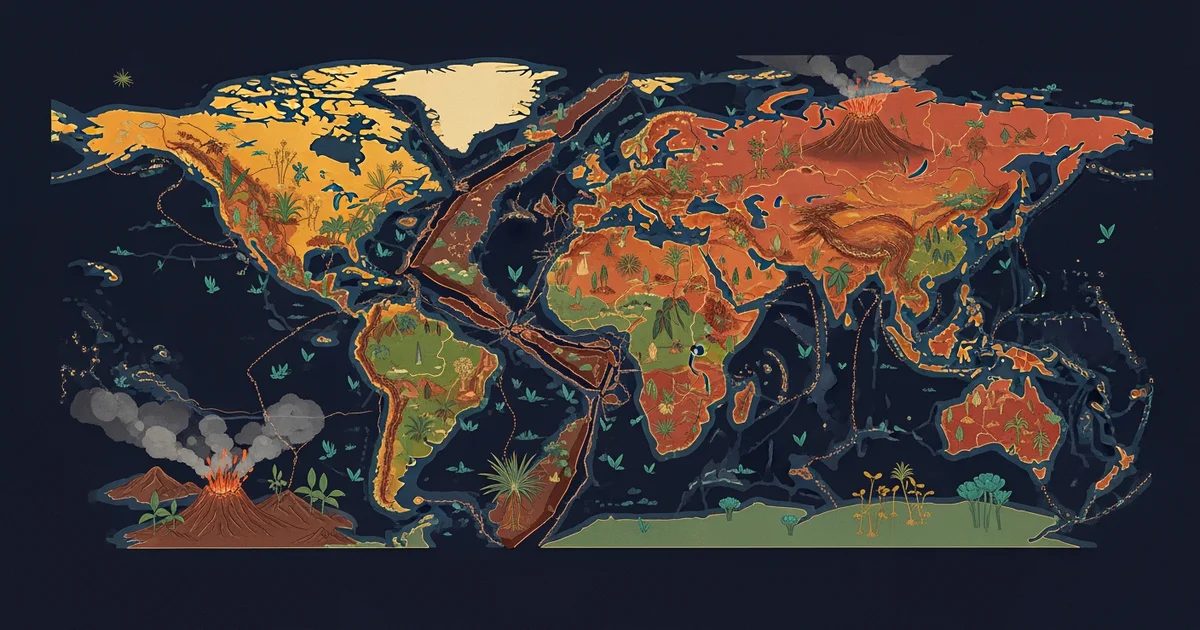
Understanding the Environmental Envelope
Every living organism occupies an ecological niche, which acts like a specific job description for that species. This niche includes all the physical and biological conditions a species needs to survive and reproduce. Think of it like a person choosing a home based on their budget, commute time, and local amenities. If a species needs high humidity and cool temperatures, you will only find it in places that match those conditions. When we study these needs, we create an environmental envelope that defines the boundaries of where a species can live. If the climate shifts outside these boundaries, the species must either adapt, move, or face extinction.
Key term: Ecological niche modeling — a statistical method that uses computer algorithms to predict the geographic distribution of a species based on its environmental requirements.
To build these models, researchers collect data points from locations where the species is currently known to exist. They pair these points with environmental data, such as yearly rainfall, average temperatures, and soil composition. The computer then finds the correlation between the species presence and these factors. This process reveals which variables are most important for survival. For example, a plant might depend more on soil acidity than on total rainfall. Once the algorithm understands these preferences, it can scan maps of other regions to find areas with matching conditions. This allows scientists to predict where the species could potentially thrive in the future.
Predicting Shifts in Geographic Range
Once a model is established, scientists use it to forecast how populations might change over time. If a region warms up, the model might show that the current habitat becomes unsuitable for a specific lizard species. The model then highlights new areas where the environment will become more hospitable as the climate shifts. This is similar to a business owner using market trends to decide where to open a new store. If the neighborhood demographics change, the business must move to a location where the target customers now live. By mapping these future zones, conservationists can protect areas before the species even arrives.
To visualize how these models work, we can compare the factors that influence where a species can be found in the wild:
| Factor | Influence Type | Example Requirement |
|---|---|---|
| Temperature | Physiological | Needs to stay above freezing |
| Rainfall | Biological | Requires moisture for growth |
| Elevation | Physical | Prefers high mountain slopes |
These variables interact in complex ways to create a map of suitable habitats. It is important to remember that these models are predictions, not guarantees of survival. Other factors like competition with other species or human development can limit where a creature actually lives. Even if an area has the perfect climate, a species might not survive there if it cannot reach the location. Despite these limits, modeling provides a vital tool for planning the future of global biodiversity. It turns raw data into a clear visual guide for environmental protection efforts across the planet.
Predicting where species can live requires matching their survival needs with environmental data to map future geographic ranges.
But what does it look like in practice when a new species invades a territory it was not meant to inhabit?