
Kinetic Energy Calculations
Imagine a speeding freight train hitting a parked car at full speed. The immense damage caused by this collision happens because the train carries a massive amount of motion energy. When a space rock travels through our solar system, it behaves just like that train but with much higher speeds. Understanding the physics behind these impacts helps us predict the damage that a large asteroid might cause upon hitting the surface of our planet.
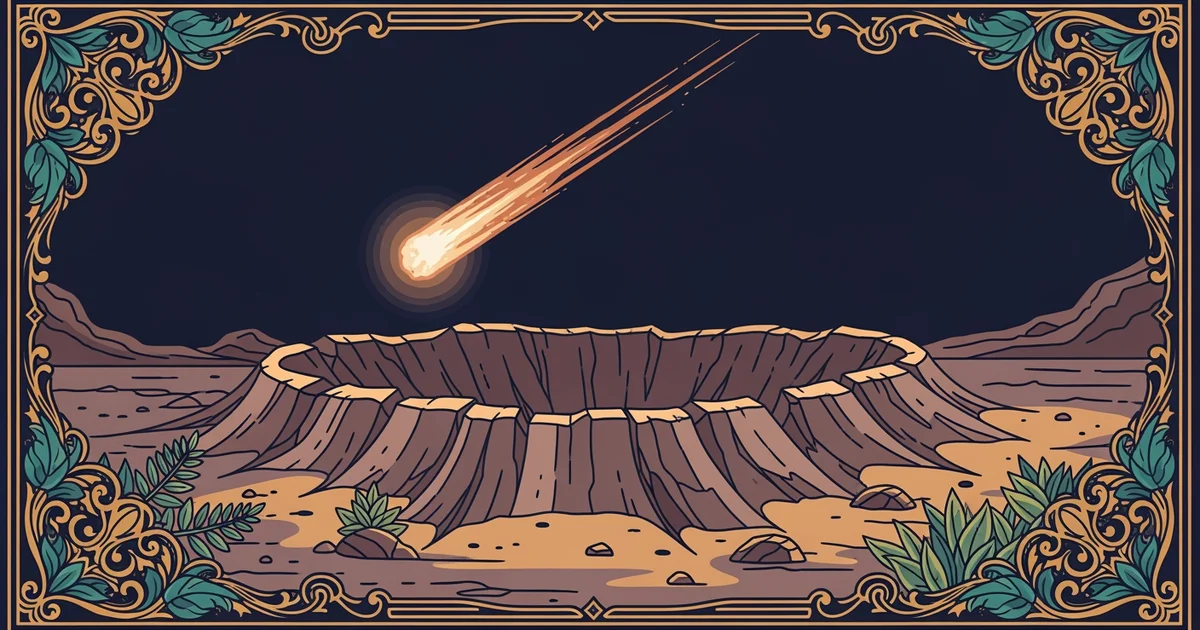
The Physics of Moving Objects
To understand how an impactor functions, we first look at the concept of kinetic energy. This is the energy an object possesses due to its motion through space. The total amount of energy depends on two main factors: the mass of the object and its velocity. If you double the mass of a rock, you double its energy. However, if you double the speed of that same rock, the energy increases by four times. This happens because velocity is squared in our standard physics formula for motion energy.
Key term: Kinetic energy — the physical energy that a moving object holds because of its mass and its speed.
Think of this like an expensive car crash insurance policy where the cost of damage grows much faster than the speed of the driver. A small pebble moving at high speeds carries more destructive potential than a large boulder moving slowly. We calculate this energy using the formula shown below. This equation allows scientists to estimate the force released when a space rock strikes the ground. By measuring the size and speed of an asteroid, we can predict the size of the crater it will leave behind.
Calculating Impact Force
When we apply this formula to space impacts, we must ensure our units are consistent for the final result. Mass is measured in kilograms while velocity is measured in meters per second. The resulting energy is expressed in units called Joules. The following table shows how changing these two variables shifts the total energy output significantly during a collision event:
| Object Mass | Object Velocity | Total Energy Output |
|---|---|---|
| 1000 kg | 10 m/s | 50,000 Joules |
| 1000 kg | 20 m/s | 200,000 Joules |
| 2000 kg | 20 m/s | 400,000 Joules |
This table demonstrates that velocity is the most important factor in determining the final impact force. Even a small increase in speed creates a massive jump in the total energy released upon impact. This explains why even tiny micrometeoroids can damage space stations or satellites orbiting high above our atmosphere. These objects move at thousands of kilometers per hour, which turns their small mass into a dangerous amount of energy.
- First, identify the mass of the incoming asteroid in kilograms for your calculation.
- Second, determine the speed of the object in meters per second for accuracy.
- Third, square the velocity value and multiply it by half of the total mass.
These steps allow researchers to categorize different types of impactors based on their potential to cause damage. By understanding these calculations, we gain a better grasp of how space rocks shape the history of our solar system. Every crater we see on the moon or other planets serves as a permanent record of these energy transfers. We use these math tools to turn observations into concrete data about our cosmic neighborhood. This helps us see the solar system as a dynamic place where energy is constantly shifting between moving objects and planetary surfaces.
Calculating the motion energy of an asteroid reveals how speed and mass combine to create massive destruction during a planetary collision.
But what does it look like in practice when this energy is released as shock metamorphism?
Want this with sources you can check?
Premium Learning Paths for Astronomy & Space Exploration are researched against open-access libraries — PubMed, arXiv, government databases, and more — with their distinctive claims cited to real sources and independently checked.
See what Premium includes