
The Solar System History
Imagine a construction site where workers build a massive skyscraper but leave behind piles of heavy steel beams and scattered concrete blocks. Our solar system formed in a similar way, leaving behind a vast amount of leftover building materials after the planets finished their primary growth stages. These leftover pieces, known as planetesimals, represent the rocky debris that failed to join a larger planet during the early chaotic years of our system. They drift through space like discarded tools, serving as a constant reminder of the messy process that created the planets we see today.
The Creation of Planetary Debris
When the sun first ignited, it sat at the center of a swirling disk of gas and dust that stretched across the solar system. Gravity pulled this material together to form the planets, but the process was far from efficient or clean. Many smaller fragments collided and shattered instead of merging into larger bodies, creating a population of rocky remnants that never found a permanent home. These objects vary in size from tiny pebbles to massive boulders, and they continue to orbit the sun in paths established billions of years ago. We often think of space as a clean vacuum, but this history shows it acts more like a busy workshop full of scattered scraps.
Key term: Planetesimals — small celestial bodies that formed during the early stages of solar system development and remain as remnants of planetary growth.
These leftover fragments are not merely static monuments to the past because they constantly interact with the gravity of larger planets. As they travel through the solar system, their orbits can shift due to the gravitational pull of giants like Jupiter or Saturn. This movement turns these ancient rocks into potential projectiles that can cross paths with other bodies, including our own planet. The history of the solar system is essentially a story of these rocky leftovers moving through space and occasionally striking the surfaces of larger, more stable worlds.
Impacts and Modern Solar Dynamics
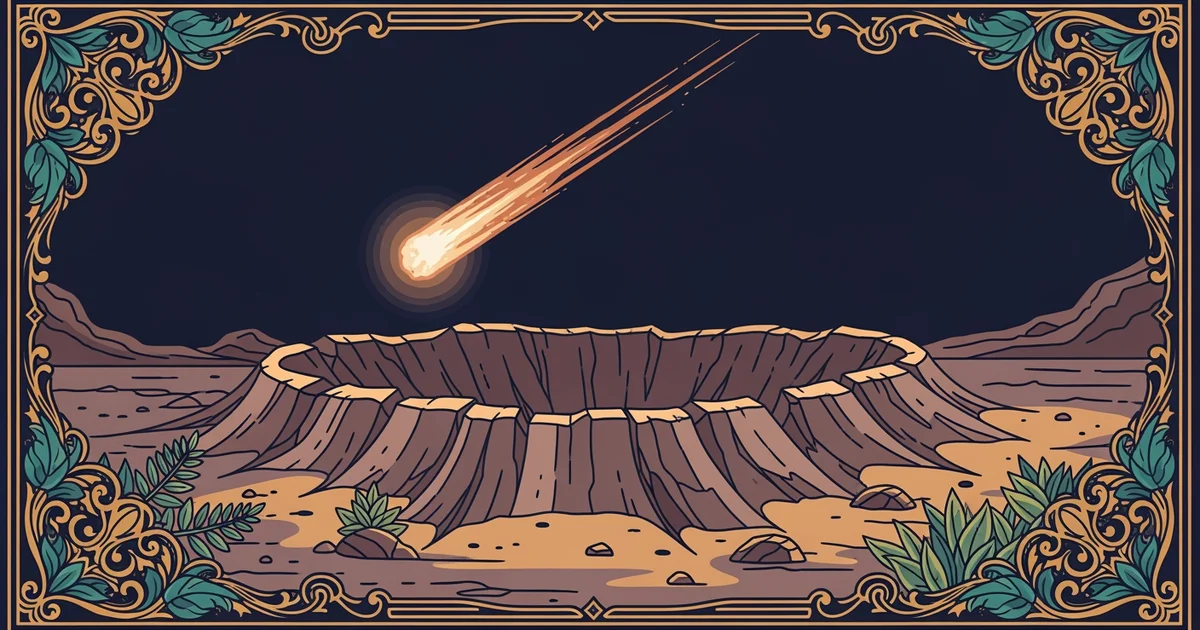
Understanding how these rocks shape our world requires looking at the evidence left behind on planetary surfaces. When a planetesimal strikes a planet, it leaves a crater that acts as a permanent record of the collision event. These craters are common on the moon, which lacks an atmosphere to erode them, but they are also found on Earth, where wind and water slowly hide the scars of past impacts. By studying these craters, we learn how often these leftover materials strike planets and how much energy they release upon arrival.
To better understand the different types of debris, scientists categorize them based on their size and composition:
- Asteroids are large, rocky objects that mostly occupy the region between Mars and Jupiter, acting as a reservoir of early solar system history that has remained relatively unchanged since the formation period.
- Comets consist of ice and dust, originating from the cold outer edges of the solar system where they preserve volatile materials that would have evaporated if they were closer to the sun.
- Meteoroids represent the smaller fragments of asteroids or comets that drift through space, providing us with direct physical samples of the materials that built our planetary neighbors.
| Object Type | Primary Material | Usual Location | Impact Potential |
|---|---|---|---|
| Asteroid | Rock and Metal | Inner System | High |
| Comet | Ice and Dust | Outer System | Moderate |
| Meteoroid | Small Rock | Everywhere | Low per piece |
This table highlights why we must track these objects to understand the ongoing evolution of our cosmic neighborhood. Every impact is a reminder that the construction of our solar system is still a work in progress, even billions of years after the planets first took shape. We live in a system that is still cleaning up the leftovers from its own birth, and the study of these rocks provides a clear map of our origins.
The history of the solar system is defined by the leftover material from planetary formation that continues to shape the surfaces of planets through frequent and sometimes violent impact events.
Next, we will examine how scientists sort these various space rocks into specific groups based on their chemical makeup and structural properties.