
Meteoroid Classification
Imagine finding a heavy, rusted metal lump in your backyard that feels far denser than a standard garden rock. This strange object is likely a visitor from deep space, representing a piece of history that survived a fiery trip through our atmosphere. Meteoroids are not just random debris floating in the dark void of our solar system. They are the leftovers from the formation of planets, moons, and asteroids billions of years ago. By studying these space rocks, scientists piece together the chemical puzzle of how our cosmic neighborhood was built over vast periods of time. Understanding their composition helps us classify these objects into groups that tell us exactly where they originated.
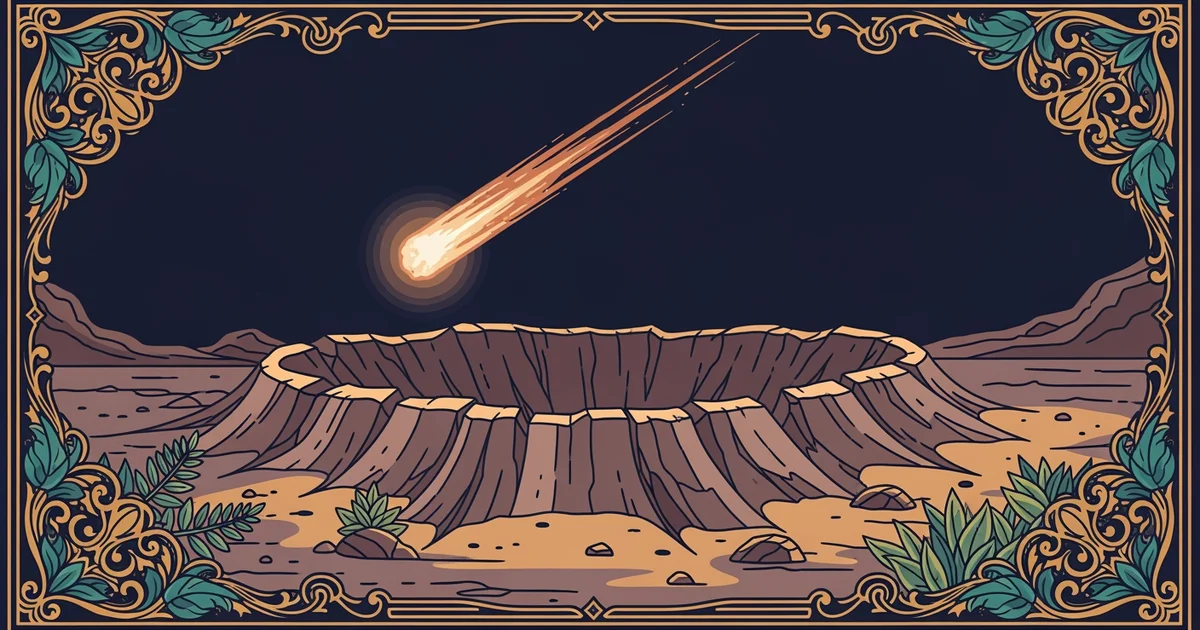
Classifying Meteorites by Composition
When scientists examine these space rocks, they look closely at the minerals and metals found inside the sample. Most meteorites fall into three main categories based on their internal structure and density. The first group consists of stony meteorites, which are the most common type found on Earth today. These objects are composed mostly of silicate minerals, similar to the rocks found in the outer crust of our own planet. They often contain tiny, round grains that formed when the solar system was still a hot, swirling disk of dust and gas. Because they resemble common Earth rocks, they are often difficult to spot unless you know exactly what to look for in the field.
Key term: Stony meteorites — objects composed primarily of silicate minerals that resemble the rocky material found in the crust of terrestrial planets.
Another major group is the iron meteorites, which are much denser and heavier than their stony counterparts. These objects consist primarily of nickel and iron alloys, reflecting the metallic cores of larger asteroids that broke apart long ago. Think of these like the heavy metal coins in your pocket compared to the light gravel on a driveway. While gravel is everywhere, the metal coins have a distinct weight and luster that makes them stand out immediately. Iron meteorites are significant because they provide a rare look into the molten, metallic interiors of planetary bodies that we cannot visit.
Analyzing Compositional Differences
To better understand how these objects differ, researchers compare their physical properties and origins using standardized classification tables. This helps distinguish between the mantle-like rocky shells and the dense metallic cores of ancient parent bodies. The final group, the stony-iron meteorites, represents a rare blend of both rock and metal. These objects likely formed at the boundary layer between the rocky mantle and the metallic core of a large asteroid. They contain a mix of silicate crystals embedded within a matrix of iron and nickel, creating a unique texture that is unlike anything else in the solar system.
| Meteorite Type | Primary Composition | Typical Origin | Density Level |
|---|---|---|---|
| Stony | Silicate minerals | Planetary crust | Low to medium |
| Iron | Nickel and iron | Asteroid core | Very high |
| Stony-iron | Mixed rock and metal | Core-mantle boundary | High |
These three categories allow scientists to map out the internal structure of ancient asteroids that no longer exist in one piece. By analyzing the ratios of metal to stone, we can determine the specific depth within a parent body where the rock originated. This process acts like a geological scan of a planet, even if the planet itself has been destroyed by collisions. We learn about the history of the early solar system by reading the chemical composition of these rocks like a book. Each sample acts as a permanent record of the conditions present during the birth of our sun and the surrounding planets.
Meteoroids are classified into stony, iron, and stony-iron groups based on their chemical makeup, which reveals the internal layers of the ancient asteroids from which they originated.
Next, we will examine the intense physics that govern how these rocks survive the journey through our atmosphere.