
Checkout Optimization
When a customer at a busy grocery store approaches the registers, they often face a wall of last-minute choices that feel like an obstacle course. This specific design choice is not just for convenience, but a calculated strategy to capture extra revenue right before the transaction concludes. By forcing shoppers to navigate through a narrow path lined with small goods, the store increases the chance of an impulse buy. This approach represents checkout optimization, a method of arranging the final service area to maximize both efficiency and profit. Much like a river channel that forces water to speed up through a narrow gap, a well-designed queue guides customers toward a specific point while keeping them engaged with products.
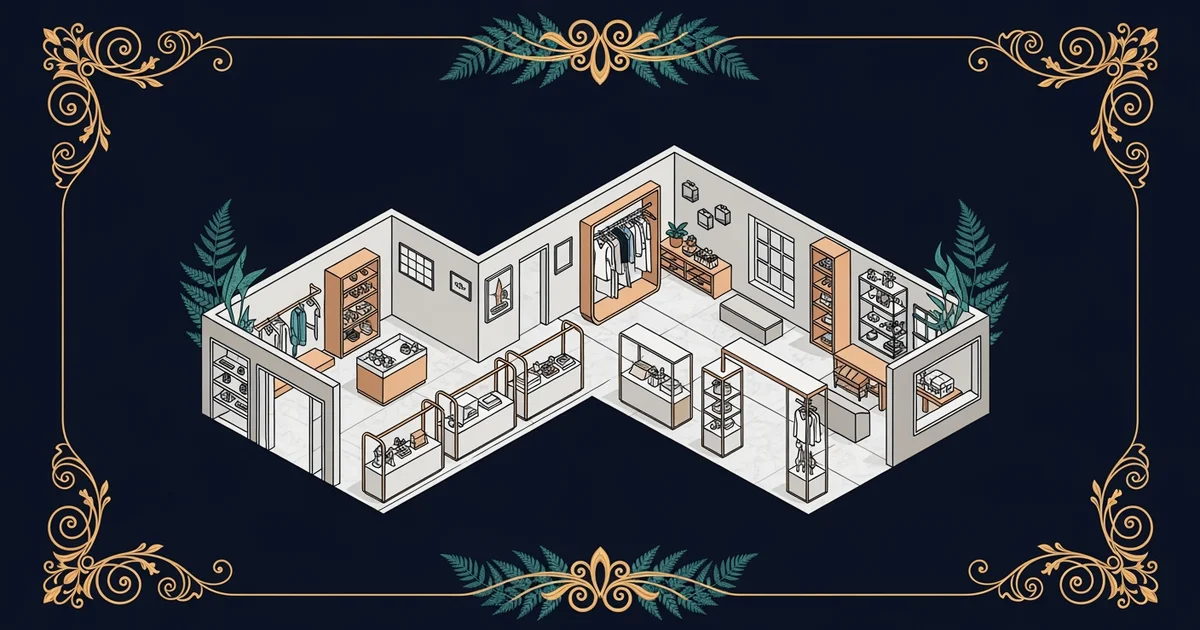
Designing the Flow of the Queue
Effective store design requires that the path to the register feels natural rather than forced or confusing. If the layout is too wide, customers might wander or feel lost, which slows down the entire line of shoppers. By using barriers or display units, architects create a clear, single-file path that keeps the movement steady and predictable for everyone. This flow acts as a funnel, directing the customer toward the transaction point while exposing them to items they might have missed earlier. When the path is logical, the customer experiences less stress and feels more satisfied with their shopping trip overall.
Key term: Impulse purchase — a sudden, unplanned decision to buy a product immediately before completing a transaction at the register.
To ensure the queue functions well, designers must consider the physical space needed for carts and personal items. If the space remains too cramped, the shopper will focus on their physical discomfort rather than the items on display. A balanced queue provides enough room to breathe while keeping the focus on the merchandise near the register. This balance is the core of smart service design, ensuring that the final stage of the visit remains a positive experience for the buyer. When the design succeeds, the store gains higher sales and the customer enjoys a faster, more organized exit.
Managing Items and Information
Beyond the physical layout, the items placed near the registers serve a vital purpose in the store strategy. These products must be small, inexpensive, and easy to grab without requiring much thought from the customer. Retailers often use a specific set of items to fill these spaces, as shown in the table below.
| Item Category | Primary Purpose | Customer Benefit |
|---|---|---|
| Small snacks | Quick hunger fix | Immediate satisfaction |
| Utility tools | Practical utility | Solves small problems |
| Gift cards | Easy gifting | Saves time searching |
These items are not random selections but are chosen to solve small, immediate needs for the shopper. By providing these options, the store creates a service-oriented environment that feels helpful rather than just aggressive. Each item serves as a reminder of something the customer might have forgotten, effectively turning a potential lost sale into a successful transaction. This strategy relies on the fact that customers are already in a buying mindset when they reach the final stage of their journey.
- Establish a clear, single-file path to reduce confusion and speed up the total waiting time.
- Place small, low-cost items along the path to encourage the customer to make an impulse purchase.
- Keep the display units at eye level to ensure the products remain visible to every shopper.
- Ensure the register area has enough space for carts so customers do not feel trapped or crowded.
These steps create a seamless transition from browsing the aisles to finishing the purchase. When the design aligns with human behavior, the store sees higher engagement and fewer bottlenecks during peak busy hours. The goal is to make the exit feel like a smooth conclusion to the shopping process. By focusing on these details, a store can turn a simple transaction into a final opportunity for growth and customer satisfaction.
Strategic checkout design transforms the final waiting period into a profitable and efficient experience for the customer.
But this model faces significant challenges when the store layout must adapt to sudden surges in traffic during holiday sales.