
Lighting and Atmosphere
A customer walks into a store and feels an instant urge to buy, yet they cannot explain why. This reaction often stems from the hidden influence of light, which shapes how shoppers perceive every item on display. Smart designers use illumination to guide the human eye toward high-margin goods while keeping the rest of the space feeling comfortable and inviting. When you master these techniques, you transform a simple retail box into an immersive environment that encourages longer visits and higher spending.
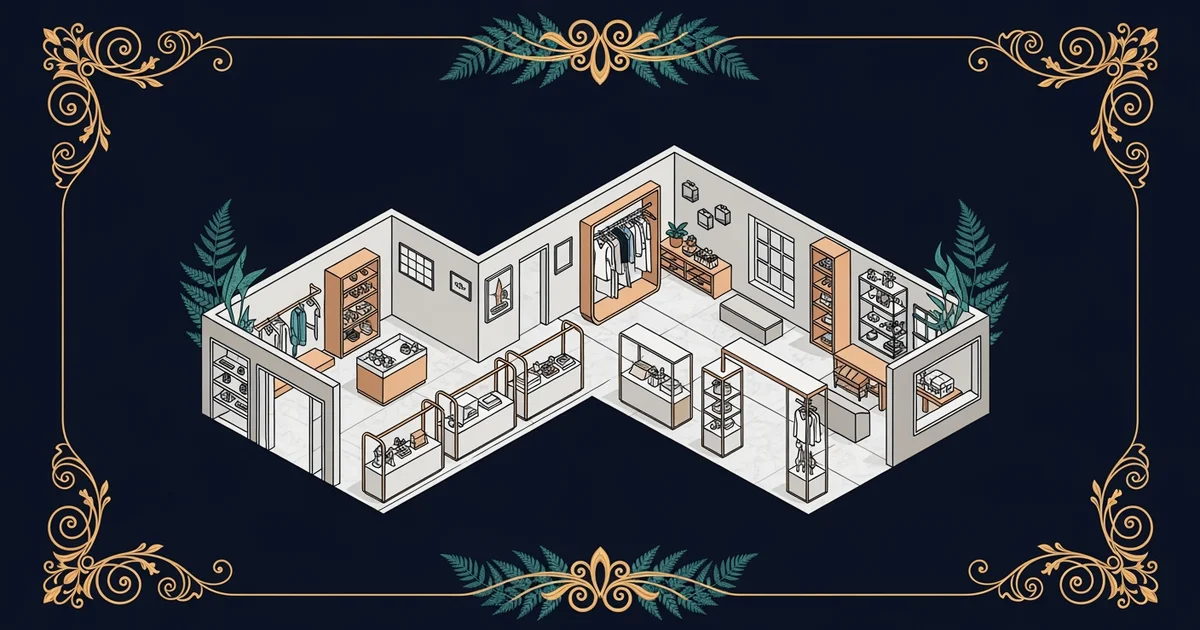
The Strategic Use of Lighting Zones
Designers categorize store lighting into distinct layers to manage the shopper experience effectively. Ambient light provides the base level of visibility, ensuring that customers can navigate the floor without feeling lost or disoriented. Accent lighting then builds upon this foundation by highlighting specific products, creating a dramatic contrast that draws attention away from the background. Task lighting serves a different purpose, as it illuminates areas like checkout counters or fitting rooms to ensure that customers can complete their transactions with ease.
Key term: Lumens — the standard measure of the total amount of visible light emitted by a source, which dictates how bright a space feels to the human eye.
Think of lighting as a spotlight on a stage that directs the audience toward the lead actor. If the entire stage is flooded with flat, even light, the audience struggles to know where to look. By dimming the background and intensifying the light on the star, you ensure that the audience focuses on the most important performance. Retail stores function exactly like this stage, where the products are the stars and the lighting scheme acts as the director of the customer experience.
Enhancing Product Value Through Color and Intensity
Once you establish the basic zones, you must adjust the quality of light to match the brand identity. Color temperature determines whether a store feels warm and cozy or cool and modern, which directly impacts how shoppers perceive the items on the shelves. For example, high-end jewelry stores often use cool, bright light to make diamonds sparkle, while furniture stores prefer warm, soft light to create a sense of home comfort. The following table outlines how different light settings influence the customer mood and product perception.
| Setting | Color Temperature | Ideal Application | Psychological Effect |
|---|---|---|---|
| Warm | Low Kelvin | Home Goods | Relaxed and inviting |
| Neutral | Mid Kelvin | General Retail | Clear and functional |
| Cool | High Kelvin | Electronics | Modern and precise |
Selecting the right intensity ensures that products look their best while preventing eye strain. If a store is too bright, customers feel exposed and anxious, which causes them to leave quickly. If a store is too dim, customers struggle to read labels and inspect quality, leading to frustration and lost sales. You must balance these levels to maintain a rhythm that keeps the shopper engaged throughout their entire journey.
Managing Atmosphere for Longer Engagement
Beyond simple visibility, lighting creates an atmosphere that dictates the pace of the shopping trip. When you use subtle shifts in brightness, you can subconsciously slow down the customer as they move through high-value zones. This technique keeps them in the store for a longer duration, which statistically increases the likelihood of a purchase. Proper lighting design avoids harsh shadows that might obscure product details or create an unappealing presentation on the shelves.
Consistent maintenance of these lighting systems is vital to preserve the intended store atmosphere over time. Burnt bulbs or flickering fixtures destroy the professional image of a brand and make products appear cheap or damaged. By creating a routine schedule for checking light levels and replacing aging equipment, you ensure that the store remains a polished and attractive destination for every visitor. Each small adjustment in light contributes to the overall success of the retail environment and the bottom line.
Strategic lighting design directs the customer gaze toward specific products while shaping the emotional tone of the shopping environment.
But what does it look like in practice when you combine these lighting techniques with the physical path the customer takes through the store?
Want this with sources you can check?
Premium Learning Paths for Architecture & Design are researched against open-access libraries — PubMed, arXiv, government databases, and more — with their distinctive claims cited to real sources and independently checked.
See what Premium includes