
Visual Merchandising Basics
Imagine you walk into a store and find yourself instantly drawn to a specific table. You did not plan to buy anything, but the arrangement makes the items feel essential. This reaction is not a coincidence, but the result of carefully planned design choices. Retailers use specific tools to guide your eyes and influence what you choose to purchase. By understanding these techniques, you can see how stores turn casual browsers into satisfied customers through intentional space management.
The Power of Visual Hierarchy
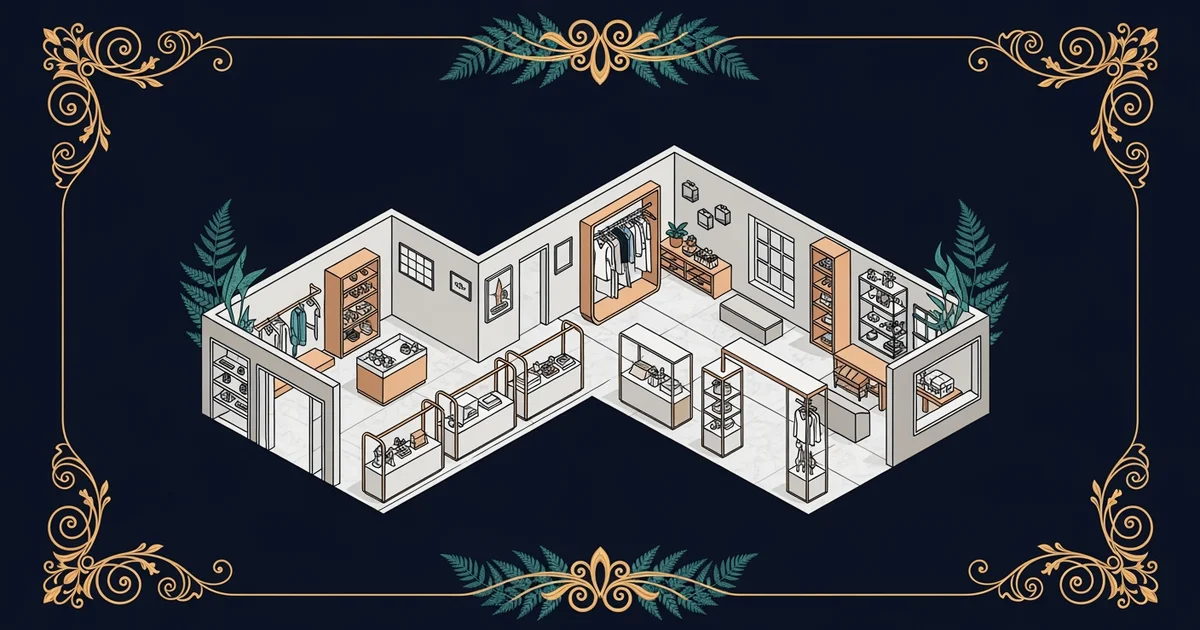
When a store designer arranges a display, they rely on visual hierarchy to control the shopper experience. This concept acts like a map for your eyes, telling you exactly where to look first. Without this order, a store would feel like a messy pile of goods that confuses the brain. Designers use height, color, and texture to create levels of importance within a single display area. Think of it like a stage play where the lead actor stands in the center under a bright spotlight. The supporting cast stands further back, ensuring the audience knows exactly who to watch during the big scene. When you apply this to retail, you make sure the most profitable items always take center stage.
Key term: Visual hierarchy — the arrangement of store elements in a way that guides the customer's eye toward specific products.
To build a strong display, you must consider the physical flow of the store space. You want to place high-margin items at eye level where they are easiest to spot. Items that shoppers need for daily use go on lower shelves, as these customers will hunt for them anyway. This strategy maximizes your floor space while keeping the shopping process smooth and intuitive for every visitor. If you ignore these patterns, you risk hiding your best products in corners where nobody will ever notice them.
Applying Display Techniques
Effective merchandising relies on grouping items that belong together to tell a cohesive story. You should arrange products by category, color, or intended use to help the customer visualize their purchase. This method reduces the mental effort required to shop, which leads to higher satisfaction and more frequent sales. When a customer finds a shirt, pants, and shoes displayed as a complete outfit, they are more likely to buy the entire set. This process mimics a helpful assistant who anticipates your needs before you even ask for advice.
Consider these three primary methods for organizing your retail display areas:
- The pyramid method creates a focal point by placing the largest item at the base center. You then stack smaller items toward the top, which draws the eye upward toward the peak.
- Color blocking organizes products by shades to create a clean and pleasing aesthetic. This helps customers find the exact style they want without searching through a cluttered shelf.
- Cross-merchandising brings related items from different categories into one spot. This encourages shoppers to buy extra items they did not initially plan to add to their cart.
| Technique | Primary Goal | Best Used For |
|---|---|---|
| Pyramid | Focal point | Feature tables |
| Color Block | Visual order | Apparel walls |
| Cross-sell | Higher spend | Impulse items |
Each technique serves a unique purpose in the retail environment. You must choose the right one based on the specific product you want to highlight that day. By rotating these layouts, you keep the store feeling fresh and interesting for repeat visitors. This variety encourages customers to explore new sections of the shop they might have skipped previously. Consistency is helpful, but small changes keep the shopping experience exciting and profitable for the business owner.
Strategic placement of products uses human visual habits to guide shoppers toward the most important items in the store.
The next Station introduces lighting and atmosphere, which determines how visual hierarchy functions during different times of the day.