
The Psychology of Space
The Core of Retail Architecture
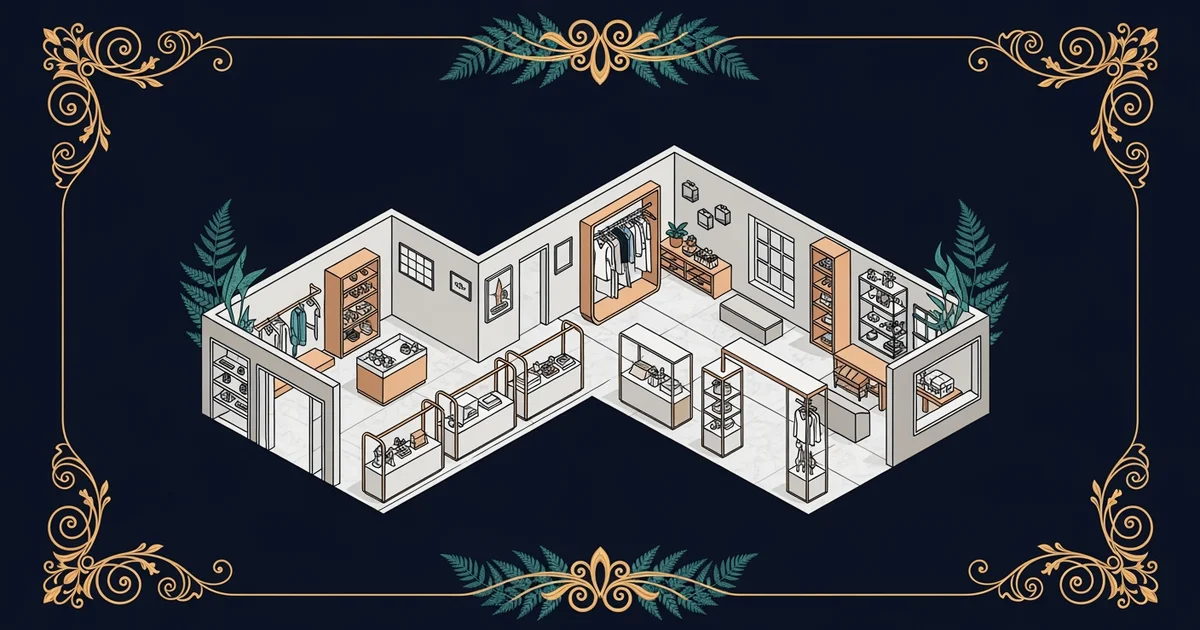
Retail store design is the deliberate process of shaping the physical environment to influence how people shop. When designers create a space, they must consider how the layout affects the mood of the customer. A well-designed shop makes it easy for guests to find items they need. It also encourages them to discover new products while they walk through the store. Understanding the human mind is the first step for any designer in this field.
Designers often use specific patterns to guide the flow of traffic throughout the building. By placing popular items at the back, they force shoppers to walk past many other products. This strategy increases the chance that a person will see something else to buy. Every corner of the store should serve a clear purpose to support the business goals. A balanced space feels welcoming and avoids making the customer feel overwhelmed by too many choices.
The Impact of Physical Space
When a shopper enters a store, their brain starts to process the environment very quickly. The layout of the floor acts as a map that tells the customer where to go next. If the path is unclear, the shopper might feel confused and leave without buying anything. Designers work hard to remove these barriers to ensure the shopping process remains smooth and enjoyable. A great store design creates a rhythm that keeps the person moving through the aisles.
Lighting and color play a huge role in how we perceive the value of goods. Bright lights can make a space feel active and modern while soft lights create a sense of luxury. Designers must match the lighting style to the type of items being sold. For instance, a jewelry store needs different lighting than a grocery store does. The visual appeal of the shelves will dictate how long a customer stays in one area.
Analyzing Spatial Patterns
To understand how these spaces function, we can look at common layout types used by big brands. Each pattern has a specific goal related to how it directs the movement of the people inside. Below is a breakdown of how different paths influence the behavior of the typical shopper:
The grid layout is common in large stores because it is very efficient for navigation. It allows shoppers to find basic items quickly without needing to search for them. In contrast, the loop layout is designed to guide the customer along a specific path. This path ensures the person sees every single display before they reach the final checkout. The free-flow design allows for more creativity and is often found in high-end fashion boutiques.
The Role of Design Strategy
Retail design is not just about making a store look good to the eye. It is about solving problems related to space and the behavior of the people who visit. A designer must think about how the furniture fits into the overall floor plan of the building. If the shelves are too tall, the store might feel cramped and difficult to navigate. If the aisles are too narrow, the shoppers will bump into each other and feel frustrated.
Successful designers always keep the target customer in mind during the entire planning phase. They ask themselves what the customer wants to feel when they walk through the front door. Do they want to feel excited, relaxed, or perhaps very efficient? By answering these questions, the designer can make smart choices about the materials and the layout. The physical environment becomes a tool that helps the business grow and succeed over time.
Building a Better Experience
As we look at the future of retail, we see that technology is changing the game. Digital screens and mobile apps are now part of the physical shopping experience for many brands. These tools can provide extra information to the shopper while they browse the physical aisles. Designers are learning how to integrate these digital elements without making the space feel cluttered. The goal is to create a seamless blend of the digital and physical worlds.
Finally, we must remember that the best designs are those that focus on the user experience. A store should be easy to enter and even easier to move through for everyone. Accessibility is a key part of modern design that ensures all people can enjoy the space. By keeping these principles in mind, anyone can start to see the hidden logic behind the stores they visit every day. Retail design is a fascinating blend of art, psychology, and business strategy.