
Fixture Selection
Imagine you walk into a store and find the shelves completely bare. You might feel confused or even frustrated by the lack of products. This happens because the fixtures failed to hold the items that you wanted. Retail stores use specific display tools to bridge the gap between back storage and the sales floor. When you select the right furniture, you effectively turn your inventory into a silent salesperson that guides every single shopper toward a purchase.
Optimizing Display Capacity with Fixtures
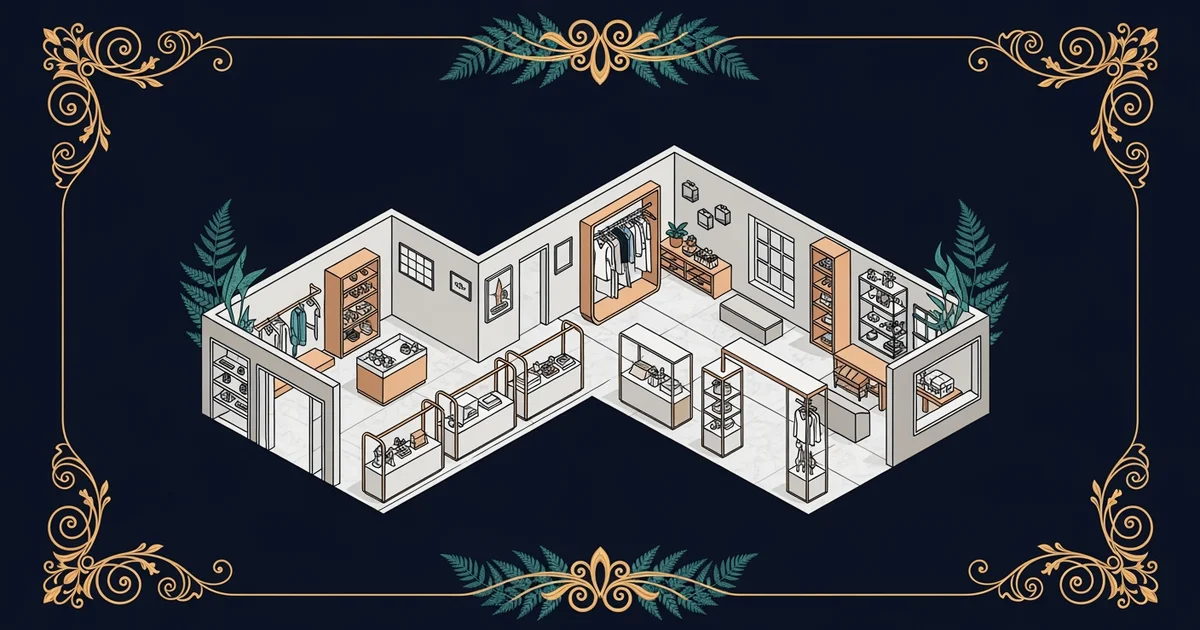
Retailers must choose furniture that maximizes the available space while keeping products visible to everyone. A fixture acts as the primary hardware that supports merchandise throughout the entire store environment. Think of these tools like the skeleton of a human body because they provide the necessary structure to hold everything in place. Without a strong, well-designed skeleton, the store would collapse into a disorganized pile of scattered goods. You should select fixtures based on the density of the items you need to sell.
Key term: Fixture — a specialized piece of furniture or hardware designed to hold, display, and organize retail inventory for customer interaction.
Small items require different hardware than bulky goods to ensure the display remains neat and accessible. If you place heavy winter coats on light wire racks, the metal might bend or break under the weight. You must match the capacity of the unit to the physical needs of your inventory. Proper selection ensures that shoppers can easily grab what they need without causing a mess. When you provide a sturdy foundation for products, you increase the likelihood that a customer will choose to buy them.
Matching Hardware to Product Characteristics
Choosing the right hardware also involves understanding how customers interact with various items on the floor. Some goods require a gondola setup to allow for high-volume stocking in narrow aisles. Other items benefit from tables that encourage browsing and tactile engagement with the product. You must balance the need for high capacity with the need for a clean, inviting visual aesthetic. A store that looks overcrowded often pushes shoppers away before they even find what they want to purchase.
| Fixture Type | Best For | Benefit |
|---|---|---|
| Gondola | Packaged goods | Maximizes vertical space |
| Table | Featured items | Encourages hands-on touch |
| Rack | Hanging apparel | Keeps clothes wrinkle free |
Using a table for small, loose items might lead to a cluttered look that confuses the buyer. Conversely, using a rack for boxed goods would waste valuable space that could hold more inventory. You should group similar items on matching fixtures to create a sense of order. This consistency helps the human brain process the store layout faster. When the brain spends less time searching for items, it spends more time considering the value of the products.
Effective fixture selection transforms empty floor space into a high-performing engine for your total sales revenue. You must remember that every piece of metal or wood serves a specific goal for your business. If a fixture does not display the item in a way that encourages a sale, it is taking up space that could be used better. Always review your inventory needs before you commit to purchasing expensive store furniture. A well-planned store layout relies on these tools to keep the shopping experience smooth and profitable for the brand.
Strategic fixture selection turns passive floor space into an active selling tool by aligning display capacity with specific product needs.
But now that the products are displayed effectively, how do we guide the customer through the final steps of the purchase process?