
Future Trends in Maintenance
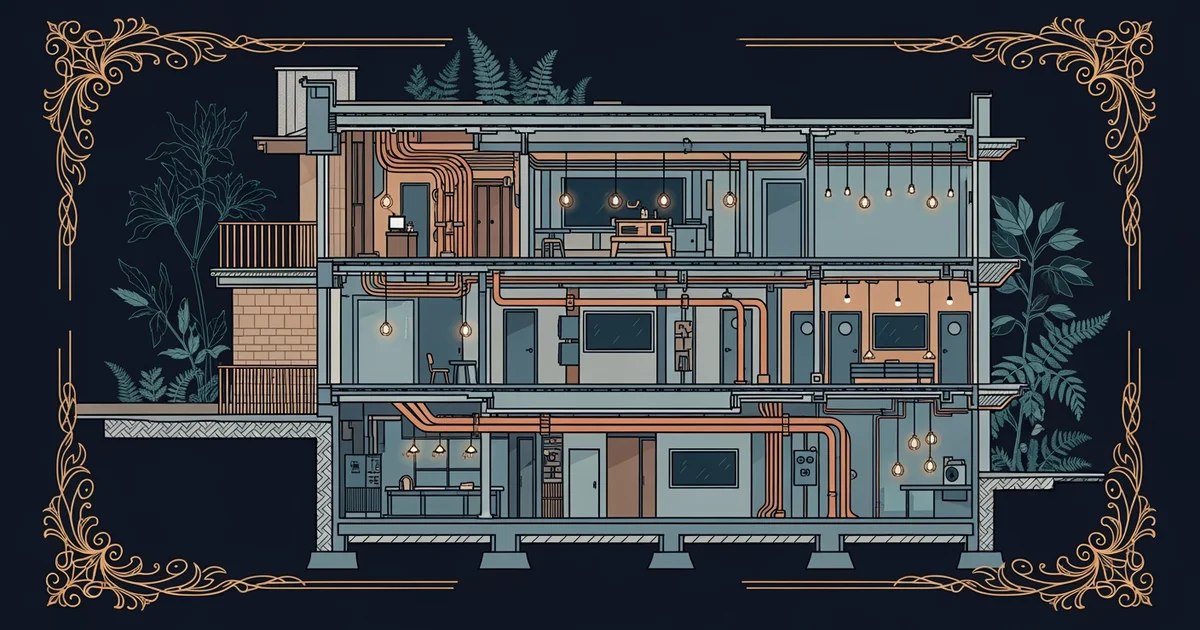
Imagine a building that senses a leaky pipe before a drop of water hits the floor. Modern structures now move beyond simple repairs toward systems that predict failures before they happen. This shift changes how we maintain our shared spaces to ensure they stay safe and efficient for everyone. By using smart data, we can stop problems early and save money on large repairs. We are moving from fixing things when they break to keeping them running perfectly all the time.
The Rise of Predictive Maintenance
Traditional maintenance relies on schedules, but this old method often leads to unnecessary work or sudden breakdowns. Imagine changing the oil in your car every month, even if you never drove it during that time. That is the inefficiency of fixed-schedule care. Instead, predictive maintenance uses real-time data to tell us exactly when a machine needs attention. By tracking vibrations, heat, or energy use, we can see if a component is wearing out. This approach treats building care like a health checkup for a person. We monitor vital signs to catch illnesses before they become serious emergencies.
Key term: Predictive maintenance — a proactive strategy that uses sensor data to forecast equipment failure and perform repairs exactly when needed.
This technology integrates with the systems we discussed in earlier lessons about facility management. While integrated management focuses on organizing teams and tasks, predictive tools provide the data those teams need to act. When these two ideas work together, maintenance becomes a precise science rather than a guessing game. It reduces the waste of parts and labor while keeping systems running at top speed. Buildings become more reliable because we no longer wait for a system to fail before we respond.
Data Driven Efficiency and Future Impacts
Smart sensors are the backbone of this new era in building care and design. These small tools monitor everything from air quality to electrical loads across every room. When a sensor detects an odd pattern, it alerts the maintenance team immediately. This creates a loop of constant improvement where the building learns how to operate better over time. The following list shows how these sensors improve our daily lives in large buildings:
- Sensors track energy usage patterns to adjust lighting and heating based on actual occupancy levels.
- Automated alerts notify staff about minor mechanical issues before they grow into expensive system failures.
- Real-time air quality monitoring keeps indoor environments healthy by adjusting ventilation flow for better breathing.
These advancements change the role of the people who look after our large buildings. Instead of spending all day doing rounds to check equipment, staff now analyze reports and solve complex problems. This shift requires new skills in data interpretation and digital system oversight for all facility workers. We are moving toward a future where buildings look after themselves with minimal human intervention. This progress directly answers our foundation question about how we keep buildings safe, functional, and efficient for everyone.
| Technology Type | Primary Function | Benefit to Building |
|---|---|---|
| Smart Sensors | Real-time monitoring | Early fault detection |
| Data Analytics | Pattern recognition | Optimized scheduling |
| Automated Tools | Remote adjustment | Energy cost reduction |
As we look ahead, the integration of artificial intelligence will likely refine these processes even further. AI can process millions of data points to find connections that humans would never see. It might suggest changing the temperature in a lobby during specific hours to save energy. These small changes add up to massive savings over the life of a structure. We are building a world where our homes and offices work as partners in our daily success. This transition ensures that our infrastructure remains capable of meeting the needs of future generations without constant manual oversight.
Future maintenance relies on smart data to shift from reactive repairs to proactive system optimization.
Predictive maintenance and smart sensors create a self-regulating environment that ensures our buildings remain safe and functional for the long term.