
The Maintenance Lifecycle
Imagine your car engine stops working because you never changed the oil or replaced the worn belts. This sudden breakdown forces you to pay for expensive repairs that you could have easily avoided with simple care. Buildings operate using this same logic because every structural component requires attention to keep functioning at a high level. If you ignore small issues today, you will certainly face massive problems tomorrow that disrupt your daily life and safety.
Understanding the Maintenance Lifecycle
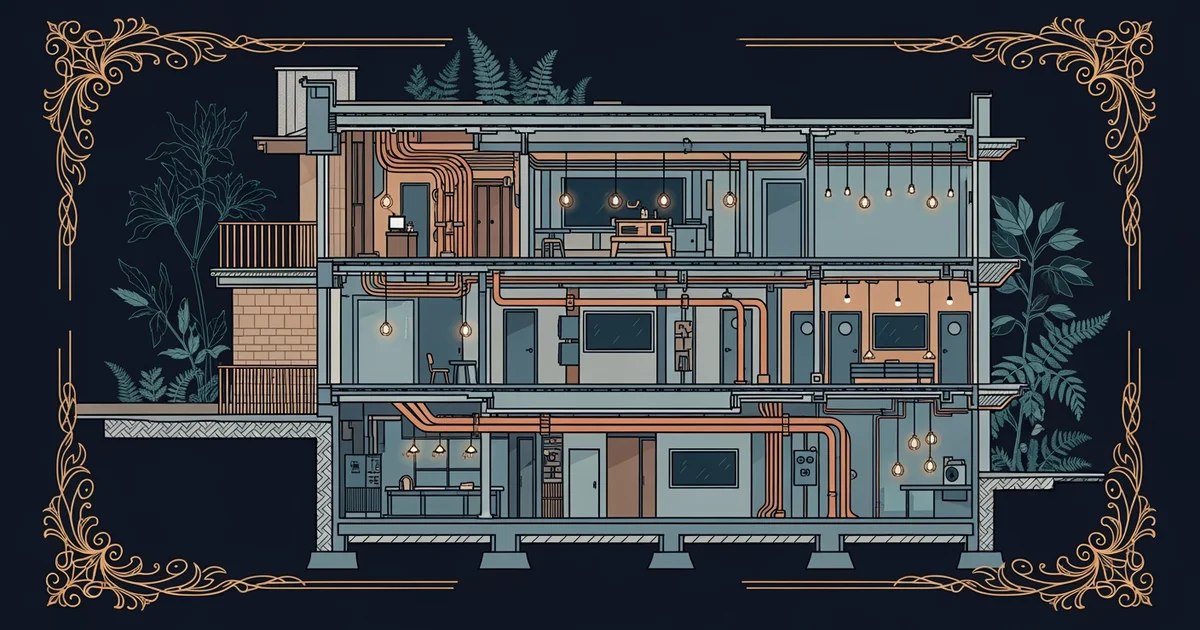
Buildings follow a predictable path from their initial construction until they eventually reach the end of their useful life. This journey is known as the maintenance lifecycle, which helps managers plan for necessary repairs before systems fail completely. Think of this process like maintaining your own health because you visit the doctor for checkups to prevent illness. By tracking the age and condition of every system, building owners can ensure that occupants stay safe and comfortable throughout the year. Without this structured approach, a facility would quickly deteriorate into a state of total neglect and potential danger.
Key term: Maintenance lifecycle — the ongoing process of planning, performing, and tracking building repairs to ensure long-term safety and operational efficiency.
Managers must decide how to handle repairs by choosing between two main strategies for keeping facilities in good shape. Reactive maintenance involves fixing equipment only after it has already broken down or stopped working as intended. While this method requires no upfront planning, it often results in higher costs and unexpected downtime for the building users. Most professionals try to avoid this approach for critical systems like heating or electrical grids because the consequences of failure are simply too severe to ignore. Relying solely on fixing things when they break is a gamble that rarely pays off in the long run.
Comparing Maintenance Approaches
To manage a building effectively, you must balance different types of work based on the needs of each specific system. The following table outlines how these strategies differ in terms of their timing, cost, and typical impact on daily building operations:
| Strategy | Timing | Cost | Impact on Users |
|---|---|---|---|
| Reactive | After failure | High | Often disruptive |
| Preventive | Before failure | Low | Minimal disruption |
| Predictive | Based on data | Medium | Highly efficient |
Using a proactive strategy allows teams to catch small problems before they grow into expensive disasters for the owner. By scheduling regular inspections, staff can identify wear and tear on items like light bulbs or air filters before they stop working. This careful management ensures that the building remains a reliable space for everyone who walks through the doors each day. When you prioritize these small tasks, you extend the life of the entire structure and protect the investment made in the property.
Effective building management relies on knowing when to replace old parts versus when to keep repairing them. If a component costs more to fix than to replace, the lifecycle suggests it is time for a new installation. This logic prevents wasted money and keeps the building running smoothly without constant interruptions for emergency repairs. By following these cycles, teams create a stable environment where safety standards remain high and functional systems serve the needs of the community. Every decision made today impacts the future utility and value of the space for all its inhabitants.
The maintenance lifecycle organizes building care into a proactive system that prevents costly failures by addressing wear before it becomes a major problem.
Next, we will explore specific preventive maintenance strategies that keep complex building systems running at peak performance.